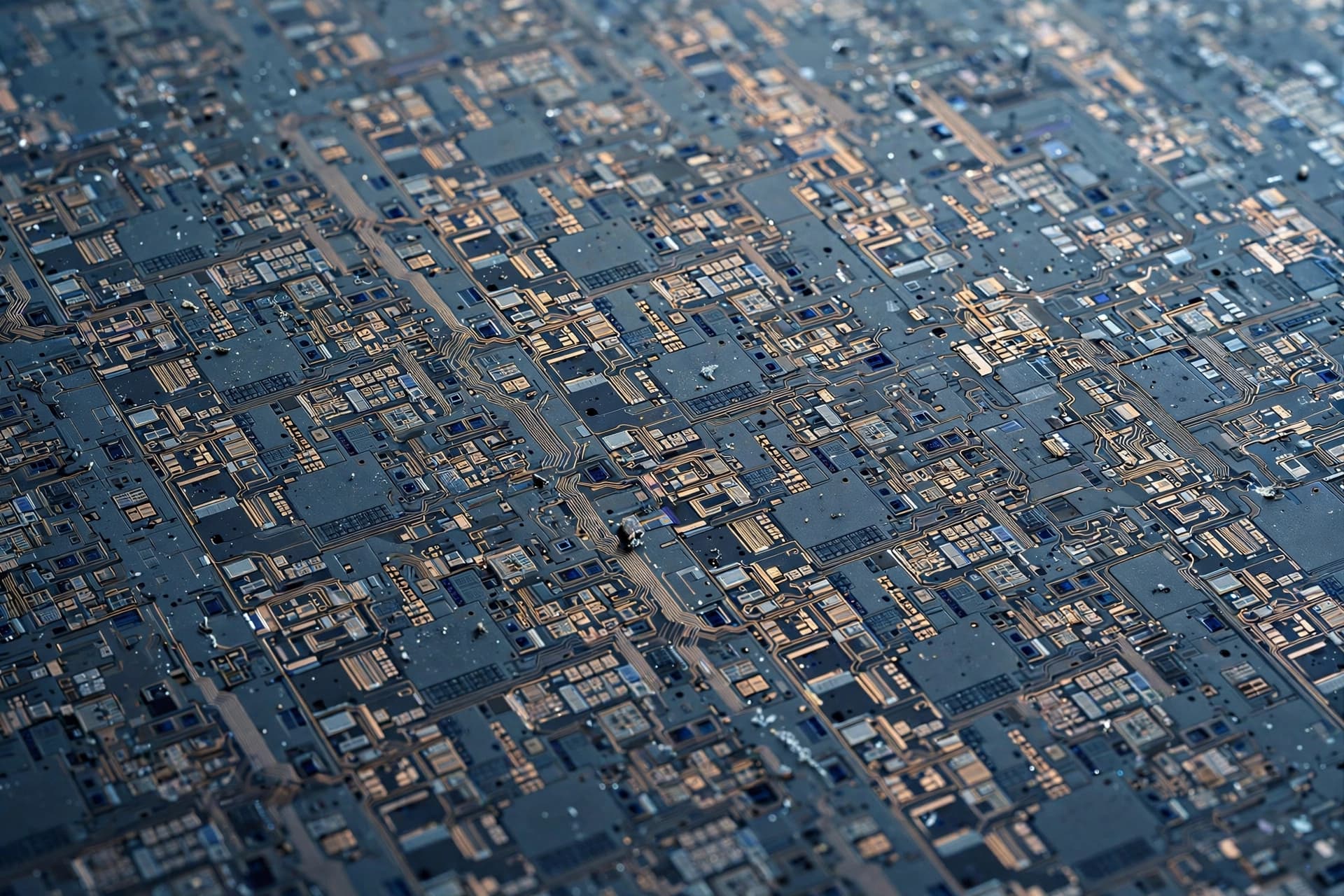
There is a particular kind of magic that feels ancient the moment it appears—soft winds across open fields, distant ruins whispering of forgotten kings, and a hero walking quietly between myth and memory. For decades, The Legend of Zelda has lived within that space, a world shaped by swords, spirits, and stories passed down like folklore. And yet, in recent years, something else has begun to flicker beneath the surface—something less like myth, and more like circuitry.
It does not arrive abruptly. Instead, it hums.
In titles like and , players encounter relics that feel distinctly out of step with traditional fantasy. The glowing blue constructs of the Sheikah, the intricate mechanisms of shrines, and the more recent Zonai devices—these are not merely magical artifacts. They behave with a logic that feels engineered, as if Hyrule is quietly hosting a technology it no longer fully understands.
This shift has led to an ongoing conversation among players and critics alike. Is Zelda still purely fantasy, or is it gradually leaning into something closer to science fiction? The answer, much like the series itself, resists simplicity.
Historically, the franchise has always played with ambiguity. Even in earlier entries, elements of advanced technology appeared—though often framed through the lens of magic. What distinguishes the modern era is not just the presence of these elements, but their prominence. In Breath of the Wild, the Sheikah Slate functions almost like a multifunction device, enabling scanning, teleportation, and manipulation of the environment. In Tears of the Kingdom, players build vehicles, machines, and complex contraptions using Zonai technology, blurring the line between spellcasting and engineering.
And yet, the world remains unmistakably Hyrule. Castles still crumble under time, forests still breathe with quiet life, and the central conflict still revolves around courage, wisdom, and power—timeless themes that anchor the series in its mythic roots.
Perhaps what makes this evolution feel so compelling is not that Zelda is abandoning fantasy, but that it is stretching it. The introduction of technological elements does not erase magic; instead, it reframes it. Technology in Hyrule often feels ancient, almost sacred—less like modern innovation and more like a forgotten inheritance. It suggests a world where science and myth were never separate to begin with.
For some players, this blending opens new creative possibilities. The ability to build, experiment, and interact with systems adds a layer of agency that traditional fantasy rarely offers. For others, it introduces a quiet unease—a sense that the series might drift too far from the simplicity that once defined it.
Still, Nintendo has shown a careful hand. The balance between the old and the new has not tipped entirely in one direction. Instead, it lingers in between, allowing players to interpret the world in their own way—whether as a land of magic enhanced by forgotten science, or a civilization whose technology has become indistinguishable from myth.
In the end, The Legend of Zelda does not seem to be choosing between fantasy and science fiction. It is, rather, exploring the space where the two meet—where a glowing machine can feel as mystical as a spell, and where the future, like the past, is written in legend.
AI Image Disclaimer Images in this article are AI-generated illustrations, meant for concept only.
Source Check IGN Polygon Kotaku Eurogamer GameSpot
Published by Banx Network. This article is part of the Banx decentralized media programme, powered by the BXE token on the XRP Ledger.