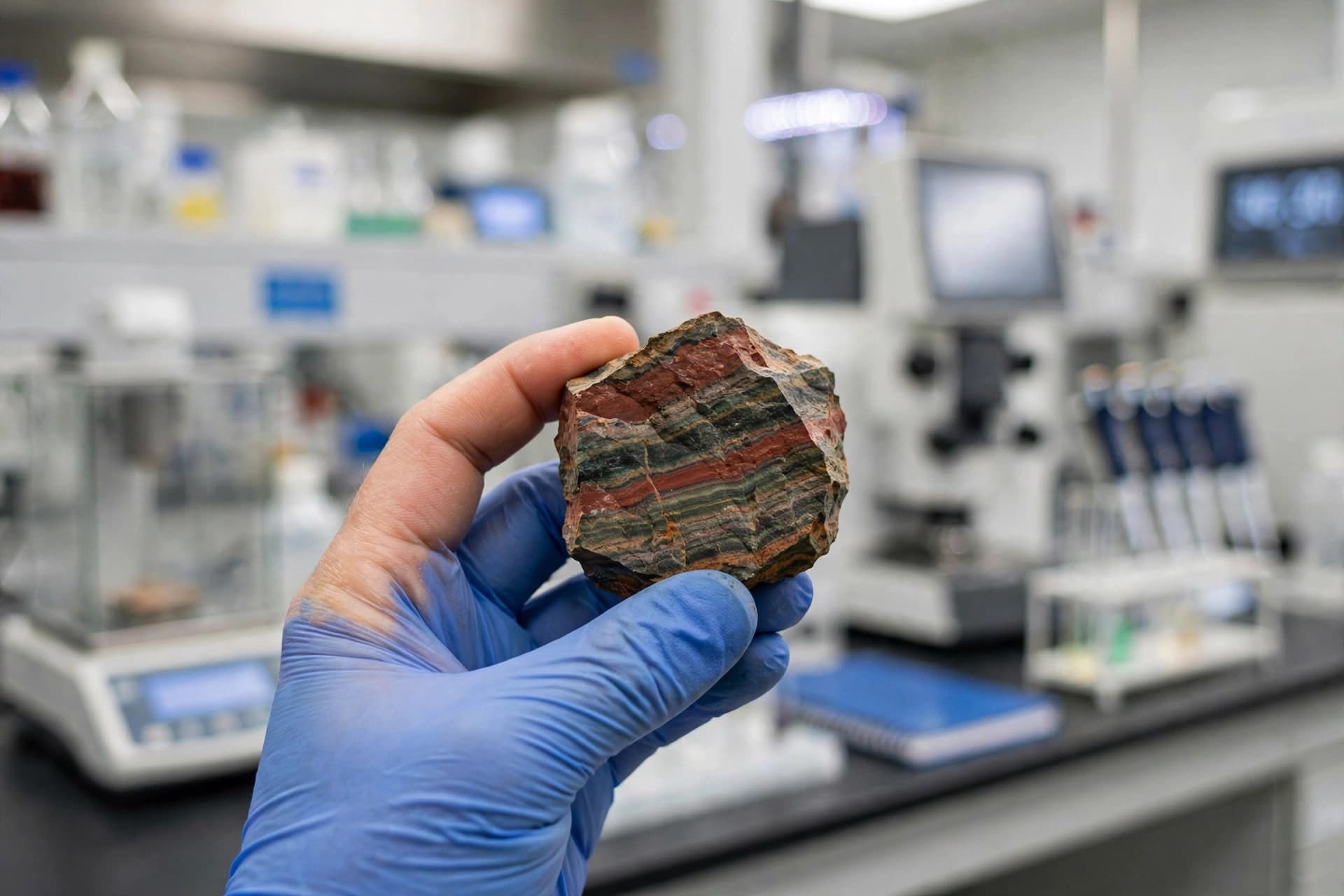
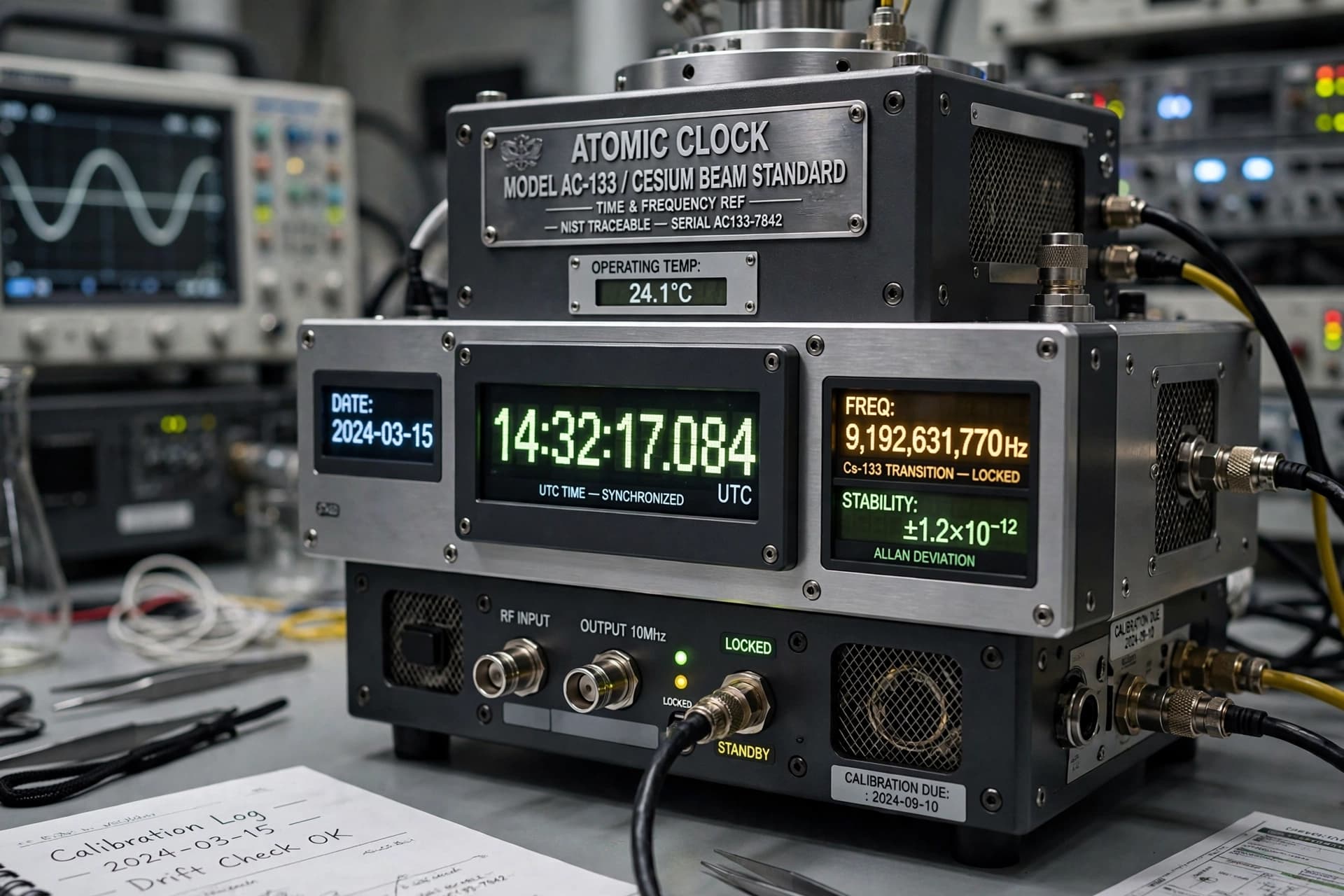
There was a time when discovery felt inseparable from the human hand—a careful unfolding of questions shaped by curiosity, intuition, and long patience. Laboratories carried the quiet rhythm of observation, where each result was less a conclusion than a doorway into another unknown. Today, that rhythm has begun to shift, not abruptly, but with a subtle addition: a presence that does not tire, does not hesitate, and increasingly, does not wait to be told what to explore.
The emergence of what some are calling an “AI scientist” marks a turning point that feels less like a disruption and more like a redefinition. These systems are not simply tools for calculation or pattern recognition; they are being designed to generate hypotheses, design experiments, analyze results, and refine their own lines of inquiry. In this evolving role, artificial intelligence begins to mirror aspects of the scientific process itself—not as a replacement, but as a participant.
At the center of this development is a shift in how research can be conducted. Traditionally, scientific work unfolds in stages, often limited by time, resources, and human bandwidth. An AI-driven system, however, can iterate through possibilities at a pace that compresses months into hours. It can scan vast bodies of literature, identify overlooked connections, and propose experiments that might not immediately occur to human researchers. In doing so, it reshapes not only the speed of discovery, but also its direction.
Recent demonstrations have shown AI systems capable of independently proposing research questions in fields such as chemistry, biology, and materials science. Some have designed experimental pathways, simulated outcomes, and adjusted their approaches based on the results—all within a closed loop of continuous learning. This ability to operate with a degree of autonomy introduces a new layer to scientific practice, where the boundaries between tool and collaborator become less clearly defined.
Yet, this evolution carries with it a quiet complexity. Scientific inquiry has long been guided not only by logic, but by judgment—by an understanding of context, ethics, and the broader implications of discovery. While AI systems can optimize for efficiency and novelty, the interpretation of their findings remains a human responsibility. Questions arise not from capability alone, but from stewardship: how to ensure that the direction of research remains aligned with societal needs, and how to maintain transparency in processes that may grow increasingly intricate.
There is also the matter of trust. As AI systems generate their own hypotheses and conclusions, researchers must develop methods to verify and understand these outputs. Interpretability becomes as important as accuracy, ensuring that discoveries are not only correct, but comprehensible. In this sense, the relationship between human and machine becomes one of mutual dependence—each extending the reach of the other, while also requiring careful balance.
Still, there is something quietly remarkable in the idea that a system can engage in the act of discovery. It suggests a future where knowledge is not only accumulated, but continuously explored through new forms of intelligence. The laboratory, once defined by physical space, begins to expand into a more fluid environment—one where digital processes and human insight move together in ways that were previously difficult to imagine.
In the broader scientific community, this development is being approached with both interest and caution. Research institutions and technology groups continue to refine these systems, exploring their potential while addressing questions of reliability, ethics, and oversight. Early results indicate that AI-driven research can complement traditional methods, particularly in areas that benefit from large-scale data analysis and rapid iteration.
For now, the idea of an AI scientist remains in its early stages—an emerging capability rather than a fully realized transformation. But its presence is already prompting a reconsideration of what it means to conduct research, and who—or what—can take part in that process.
AI Image Disclaimer Images in this article are AI-generated illustrations, meant for concept only.
Source Check (Credible Media & Journals): Nature MIT Technology Review The New York Times Science Stanford HAI
Published by Banx Network. This article is part of the Banx decentralized media programme, powered by the BXE token on the XRP Ledger.