There are moments in technological evolution that feel like turning a page in a familiar book — the words are new, but the sense of wonder is the same. For years, we’ve invited digital assistants into our lives through apps and screens. But the idea of an assistant that stands in our living room, perceiving not just our questions but the world around it, opens a subtle shift in how we imagine intelligent machines sharing our spaces.
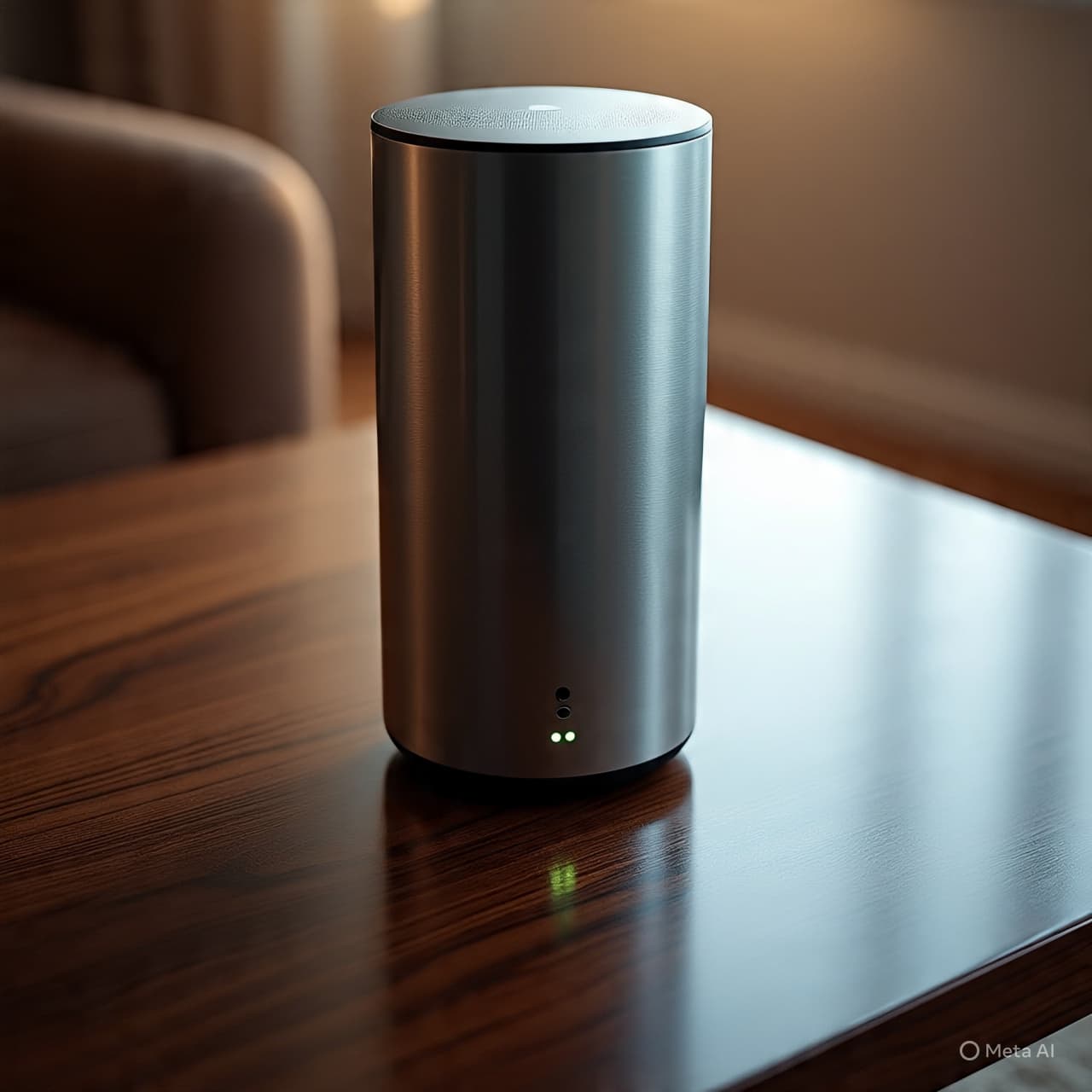
According to multiple recent reports from technology news outlets, OpenAI is preparing to build its first consumer hardware product — an AI-powered smart speaker that does more than just listen for commands. Rather than waiting for words alone, this device could see and hear its environment, interpreting visual and audio context to interact with users in ways that resemble awareness more than response.
Inspired by designs from former Apple design chief Jony Ive and his studio LoveFrom — acquired by OpenAI — the smart speaker is envisioned as a living-room companion built to understand its surroundings. Reports suggest that the device may include a built-in camera capable of recognizing objects and people, and could even use facial recognition in ways similar to Face ID to authenticate actions like purchases. These capabilities would mark a departure from traditional voice-only assistants and push toward context-aware intelligence that responds to what it perceives, not just what it hears.
The ambition is clear: a smart assistant that moves beyond reactive commands toward something more intuitive, offering suggestions tied to what it observes. For example, it might notice a nearby object, track ongoing conversations, or prompt you about upcoming events based on visual context — a subtle shift from passive tool to thoughtful presence.
Yet this approach also inherently raises questions about privacy and trust. Unlike traditional smart speakers that operate primarily on voice input, a device designed to observe and interpret its surroundings inevitably touches on how data is collected, processed, and safeguarded. Earlier generations of smart devices from major tech companies faced scrutiny when human reviewers were discovered listening to audio clips; a camera that sees only adds complexity to those concerns.
In addition to the smart speaker, reports say OpenAI’s hardware ambitions include other AI-integrated products such as smart glasses and a smart lamp — though those are expected on a later timeline. The smart speaker remains the centerpiece of the company’s first foray into consumer hardware, signaling a strategic expansion beyond software and cloud services that have defined its work so far.
Industry watchers note that if produced at scale, such a device would place OpenAI in direct competition with long-established smart assistant ecosystems — from Amazon’s Alexa to Google Assistant — but with a distinctive twist rooted in advanced AI perception rather than simple voice recognition. Whether consumers embrace this shift toward always-on visual understanding remains to be seen, but the concept suggests a future where digital intelligence feels less like a tool and more like an ambient companion.
In straightforward news, OpenAI is reportedly developing a smart speaker equipped with a built-in camera and expanded sensory capabilities as its first consumer hardware product, targeting a launch in early 2027 with a projected retail price between $200 and $300. The company also appears to be exploring additional devices such as smart glasses and a smart lamp.
🖼️ AI Image Disclaimer “Visuals are created with AI tools and are not real photographs.”
🗞️ Sources The Information (via eWeek), The Verge, and reporting on OpenAI’s hardware plans by multiple tech outlets.
Published by Banx Network. This article is part of the Banx decentralized media programme, powered by the BXE token on the XRP Ledger.