Light, often thought of as constant and familiar, can also be shaped into something far more intense—something that stretches the boundaries of what can be observed and understood. In laboratories where precision meets imagination, researchers are finding new ways to guide light into realms once considered out of reach.
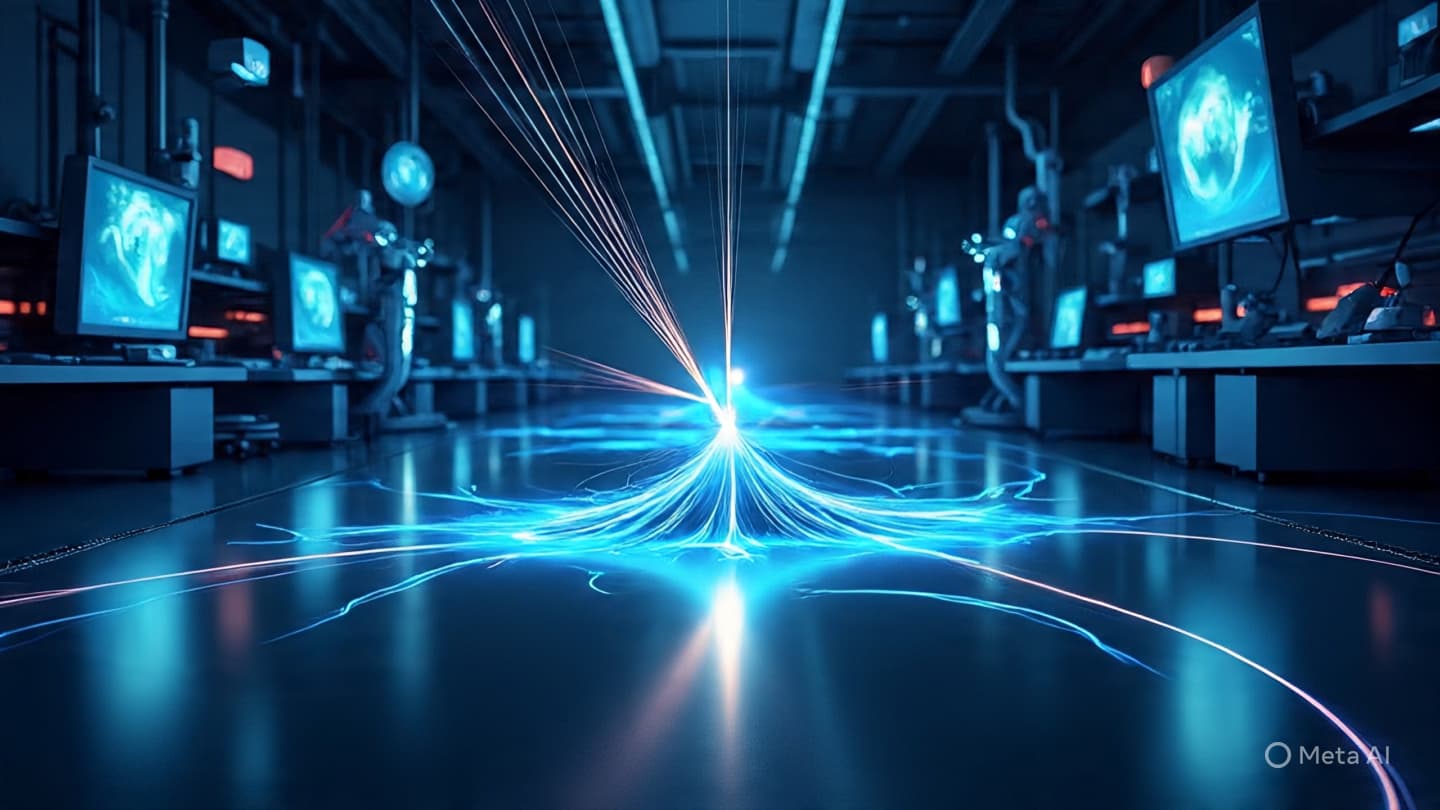
Scientists have developed a laser-plasma “mirror,” a technique that enables the reflection and amplification of extremely powerful laser pulses. By directing lasers onto a plasma surface, they can create conditions that dramatically increase light intensity.
The research builds on principles within Plasma Physics, where matter exists in an energized state. Plasma, unlike solid mirrors, can withstand and manipulate higher energy levels without damage.
This method allows for the compression of laser pulses into shorter durations while maintaining or increasing their power. The result is a form of light that can probe matter at unprecedented scales.
Applications for such technology extend across multiple scientific domains. From studying fundamental particle interactions to advancing materials science, the ability to generate extreme light opens new investigative pathways.
Researchers also note potential implications for medical imaging and precision manufacturing, where controlled high-energy light can be used with increasing accuracy.
The concept of a “mirror” in this context is less about reflection in the traditional sense and more about transformation—reshaping light into a tool of exploration.
As experimental techniques continue to evolve, the boundaries of what can be achieved with laser technology appear to expand steadily.
Scientists emphasize that further research will refine the technique and explore its full range of applications across science and technology.
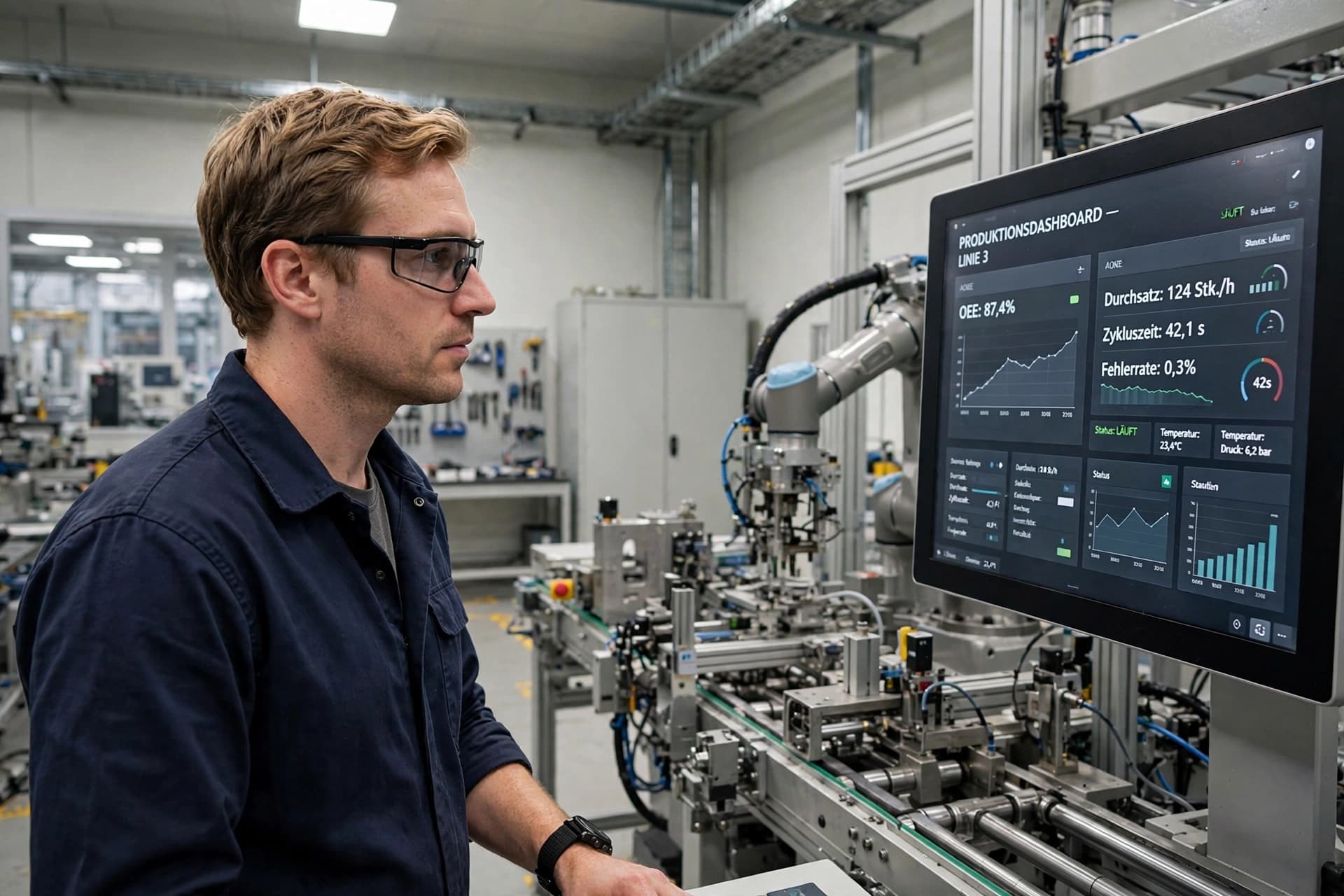
AI Image Disclaimer: Illustrations may include AI-generated depictions of laboratory environments and laser interactions for visual clarity.
Sources: Nature Photonics, Science Magazine, BBC, MIT Technology Review
Published by Banx Network. This article is part of the Banx decentralized media programme, powered by the BXE token on the XRP Ledger.