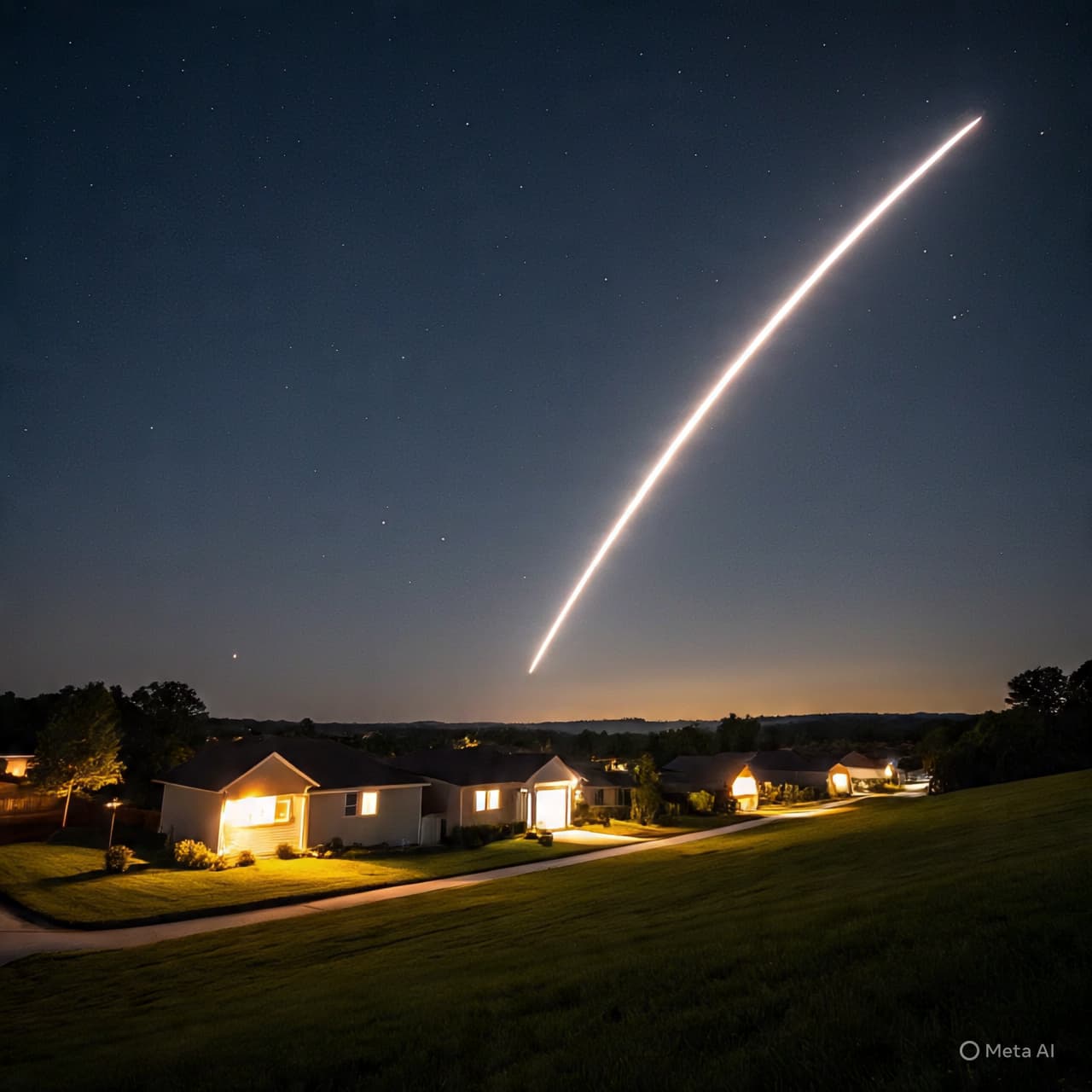
There are moments when the sky, usually so distant and self-contained, seems to lean closer to the earth. Not with thunder or storm, but with light—sudden, fleeting, and strangely intimate. A streak, a flare, a brief incision across the dark. And then, just as quickly, nothing again. Yet lately, these interruptions have come more often, as if the heavens were tracing their presence with a steadier hand.
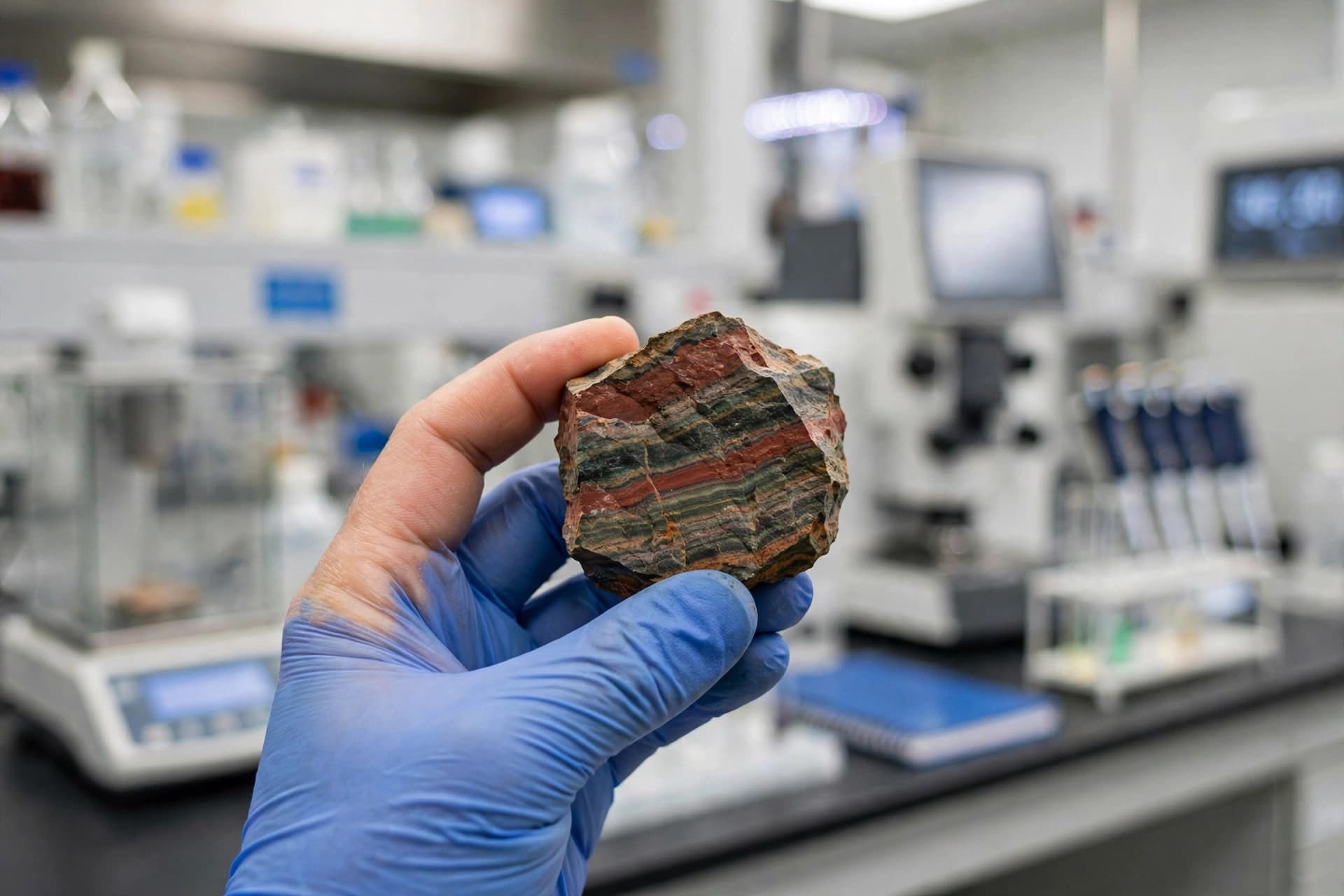
Across the United States, witnesses have begun to notice this quiet persistence: fireballs, brighter than ordinary shooting stars, appearing not as rare curiosities but as recurring visitors. They arrive without ceremony—over highways, suburbs, fields—sometimes in daylight, sometimes trailing a low, delayed thunder. A house in Texas briefly became part of this story, when a fragment from the sky passed through its roof, a reminder that these lights are not only spectacle, but matter in motion.
In the span of weeks, multiple such events have unfolded across states like Ohio, Michigan, and Arizona, some bright enough to outshine planets, others powerful enough to release energy comparable to small explosions. What might once have been dismissed as isolated incidents now feels, at least in perception, like a pattern.
Part of this pattern lies not in the sky itself, but in the ways we watch it. Cameras now rest quietly on doorways and dashboards, always observing, always ready. Where once a fireball might have lived only in memory or anecdote, it now multiplies—captured, shared, replayed. Scientists note that longer-lasting meteors, lingering for several seconds, naturally draw more witnesses, expanding the sense of frequency.
And yet, there are indications that perception alone does not account for the whole. Some of these recent fireballs have been accompanied by sonic booms—sharp, physical reminders that larger objects are entering deeper into the atmosphere. Data suggests that a significant proportion of recent events involve such high-energy entries, hinting at a genuine increase in substantial meteoroids rather than simply improved reporting.
Season, too, plays its part in this unfolding. Each year, as winter loosens its hold and the equinox approaches, the Earth moves through regions of space where larger debris appears more common. From February through April, fireball activity can rise noticeably—by as much as 10 to 30 percent—though the precise reasons remain uncertain, shaped by orbital paths and unseen distributions of cosmic fragments.
Some of these incoming objects seem to share a distant origin, arriving from a region of the sky opposite the sun, an area astronomers call the “anthelion source.” Others are unrelated, solitary travelers intersecting Earth’s path by coincidence rather than design. Together, they create a kind of celestial overlap—independent motions briefly converging in the same stretch of atmosphere.
There is, perhaps, a tendency to read intention into repetition, to wonder if the sky is changing in some deeper way. But for now, scientists remain measured. The increase, while notable, does not suggest danger. Most meteors, even bright ones, disintegrate high above the ground, their remnants scattered or lost. Events that reach the surface, or touch human structures, remain rare exceptions within a vast and ongoing process.
What lingers instead is a subtle shift in awareness. The sky, once a stable backdrop, reveals itself as something more active, more textured. Not chaotic, but alive with motion—dust, stone, fragments tracing long arcs through space before meeting the thin boundary of air.
Fireball sightings have increased across the United States in early 2026, driven by a combination of seasonal meteor activity, improved detection technology, and a possible rise in larger meteoroids entering Earth’s atmosphere. Scientists emphasize there is no immediate threat, and research into the phenomenon is ongoing.
AI Image Disclaimer
Illustrations were created using AI tools and are not real photographs.
Sources
Space.com The Guardian Live Science Chron AccuWeather
Published by Banx Network. This article is part of the Banx decentralized media programme, powered by the BXE token on the XRP Ledger.