Scientific progress has often been measured by scale—larger telescopes, more powerful accelerators, and increasingly complex laboratories. Yet occasionally, innovation moves in the opposite direction, shrinking entire systems into forms almost invisible to the human eye.
Recent developments reported by scientific technology outlets such as ScienceDaily and engineering research institutions describe the emergence of ultra-miniaturized AI-powered chips capable of performing chemical and biological analysis at a microscopic scale. Some prototypes are reportedly comparable in size to a grain of sand.
These devices integrate sensing, computation, and analysis into a single compact unit. Instead of requiring large laboratory setups, they can process chemical interactions in situ, potentially enabling real-time diagnostics and environmental monitoring.
The underlying principle involves combining microfluidics with machine learning algorithms that interpret molecular signals instantly. This allows the chip to function as both a detector and an analytical engine.
Researchers suggest that such technology could eventually transform fields like medicine, environmental science, and materials research. For example, it could allow rapid disease detection or on-site water quality testing without the need for centralized labs.
However, experts also emphasize that scaling such systems for widespread use remains a significant challenge. Durability, calibration, and energy efficiency are key factors that still require refinement.
Despite these limitations, the concept reflects a broader trend in science toward decentralization—bringing advanced analytical capabilities closer to the point of need rather than relying on large facilities.
The development of sand-sized AI chips represents a quiet but profound shift in how scientific observation may be conducted in the future, merging intelligence and miniaturization in unprecedented ways.
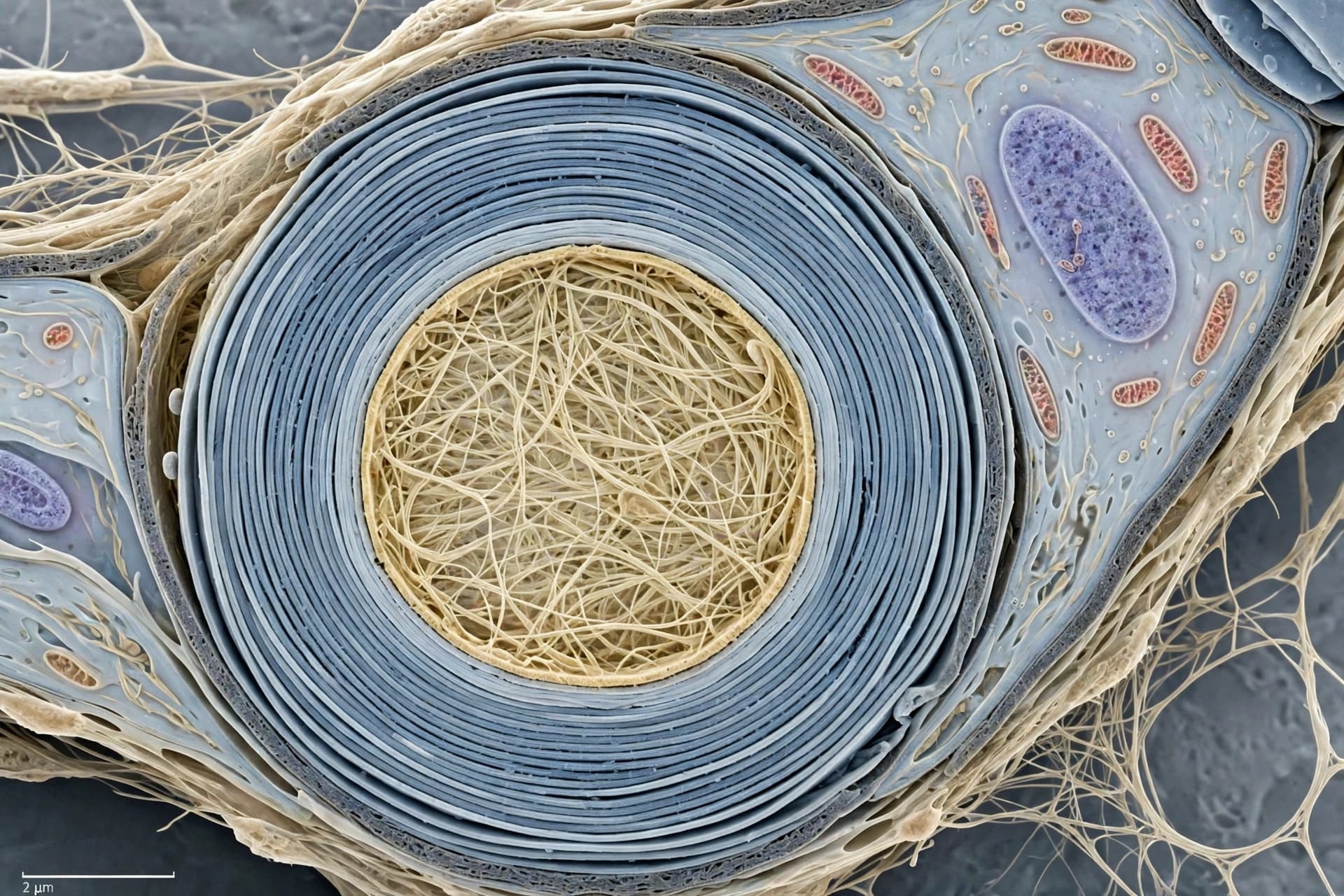
AI Image Disclaimer: Images in this article are AI-generated for editorial visualization purposes.
Sources: MIT Engineering reports, ScienceDaily, Nature Electronics, IEEE publications
Published by Banx Network. This article is part of the Banx decentralized media programme, powered by the BXE token on the XRP Ledger.