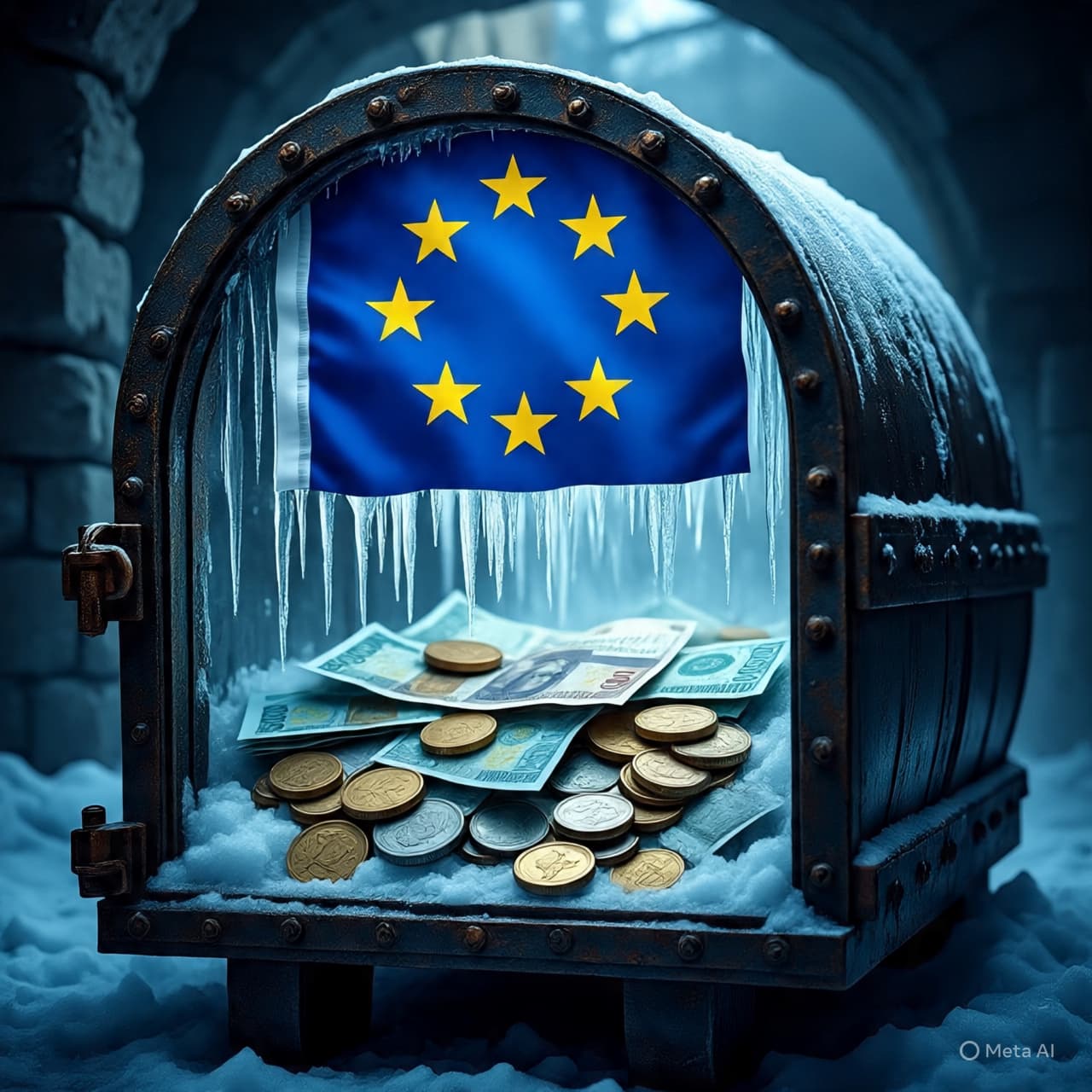
When French President Emmanuel Macron declared that “one must respect international law” in the debate over whether the European Union should repurpose frozen Russian assets, it was more than a passing remark. It captured the essence of Europe’s tightrope walk: balancing justice, deterrence, and legality in the face of an unresolved war. The question of what to do with hundreds of billions in frozen Russian reserves has hovered over Brussels since sanctions began. Proposals have ranged from redirecting the assets to Ukraine’s reconstruction, to using them as collateral for loans. Each path, however, raises thorny precedents: if the EU bends the rules once, what stops other states from citing “exceptional circumstances” in the future? Macron’s emphasis on legal fidelity reflects France’s traditional caution—an instinct shaped by Europe’s history of territorial disputes and financial crises. To act outside of established frameworks risks undermining the very rules-based order the EU seeks to defend. Yet, there is also pressure from Kyiv’s allies who argue that mere freezing, without use, amounts to letting wealth sit idle while destruction mounts. The dilemma embodies Europe’s larger struggle: a moral call to support Ukraine colliding with the cold machinery of international law. The EU must weigh not only the optics of justice but also the durability of its financial system. If sovereign reserves lose their sanctity, will other nations think twice before parking funds in Europe? In Macron’s words lies the reminder that war may test institutions, but law must outlast it. For Europe, the frozen billions are more than numbers—they are a measure of whether principles can hold when politics demands shortcuts.
This article is based on reporting from Reuters, Bloomberg, and Politico Europe.
Published by Banx Network. This article is part of the Banx decentralized media programme, powered by the BXE token on the XRP Ledger.