There are moments when a company's financial forecast becomes a window into an entire industry. Nvidia's latest outlook is one of those moments, revealing how much capital, computing power, and expectation now surround artificial intelligence.
The semiconductor company projected a 70% increase in revenue for 2027, a figure considerably above several analyst expectations. The forecast reinforced investor confidence that spending on AI infrastructure remains strong.
Markets responded almost immediately. Nvidia shares climbed 8.7% in Thursday trading, while the Nasdaq rose 1.57% and the S&P 500 gained 0.72%, reflecting renewed enthusiasm for technology companies linked to artificial intelligence.
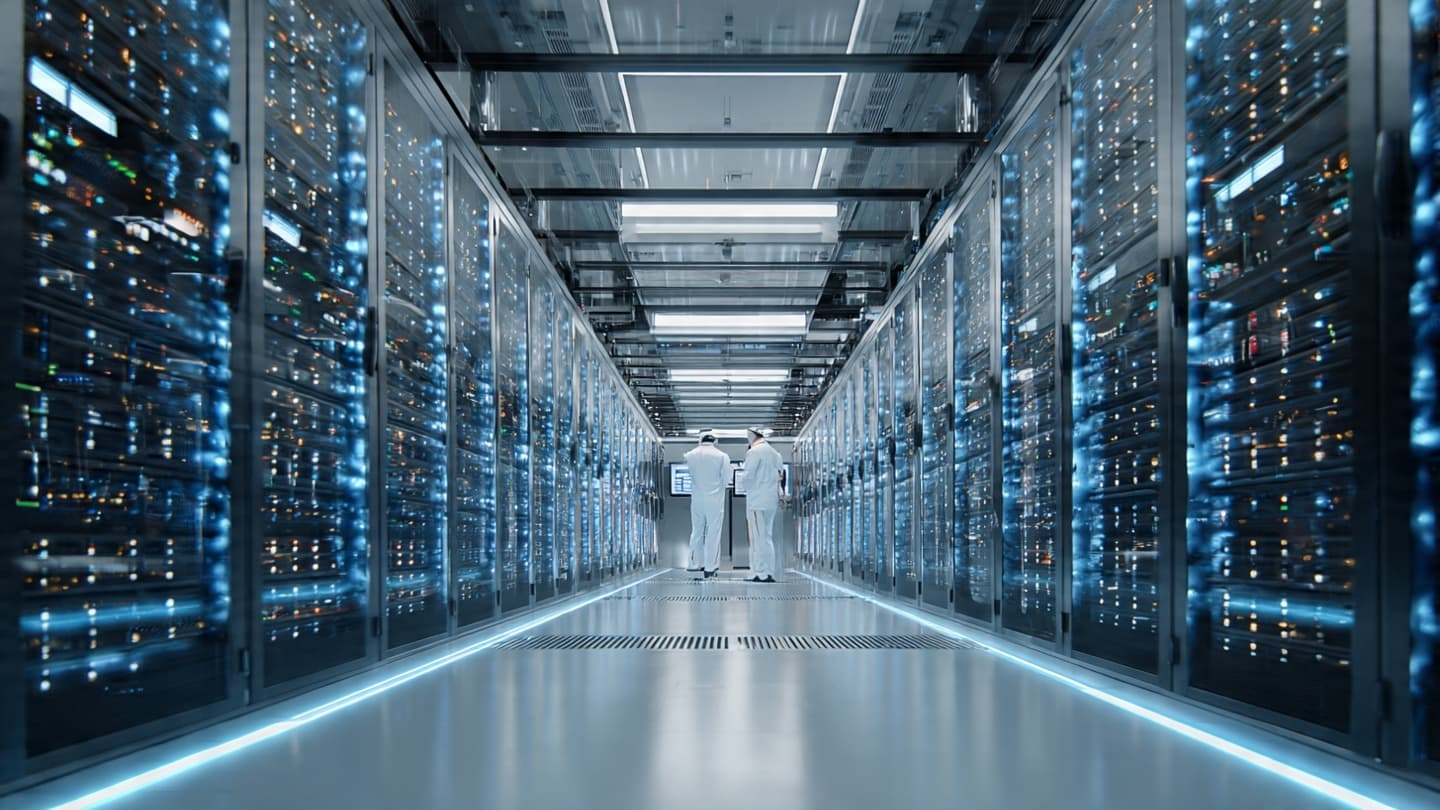
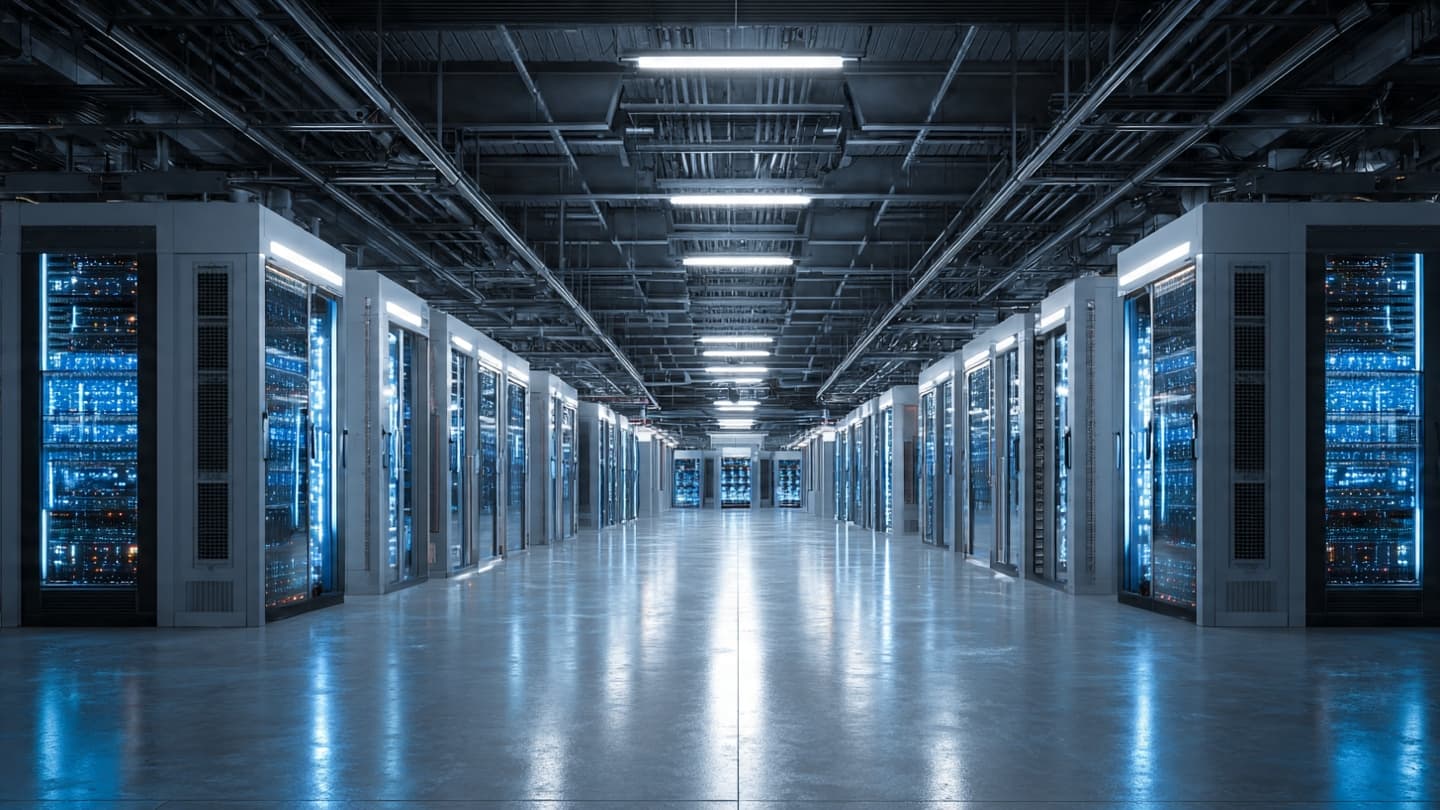
Behind those numbers lies a rapidly expanding infrastructure network. AI systems require advanced processors, networking equipment, memory, data centers, and substantial amounts of electricity. Every increase in computing demand therefore creates another layer of industrial activity.
Nvidia has become one of the clearest indicators of that cycle because its processors are widely used in AI development and deployment. The company's fortunes have consequently become closely connected to the investment decisions of some of the world's largest technology companies.
Yet the expansion is not without physical limitations. Nvidia has warned of potential memory-component shortages, a reminder that technology growth still depends on factories, materials, logistics, and manufacturing capacity.
The market reaction also spread beyond Nvidia. Semiconductor companies and software businesses gained as investors interpreted the forecast as evidence of continuing demand across the broader technology ecosystem. Salesforce and CrowdStrike were among the companies that posted notable gains during the session.
Still, enthusiasm around AI exists alongside questions about valuation and spending. Investors must consider whether today's enormous infrastructure investments will eventually generate enough productivity, revenue, and profits to justify the capital being committed.
For technology companies, the coming years may therefore be defined by a race between demand and capacity. More sophisticated AI models require more computing power, while the companies supplying that power must continually expand production and infrastructure.
Nvidia's forecast offers one indication that the cycle remains powerful. But markets will continue looking for evidence that AI investment is becoming a durable economic engine rather than simply a powerful financial theme.
For now, the glow surrounding artificial intelligence remains bright. Across semiconductor factories, cloud platforms, and data centers, another phase of the digital economy is being built one processor at a time.
AI Image Disclaimer The visuals were generated with AI and are conceptual representations of artificial-intelligence infrastructure rather than photographs of actual facilities.
Sources Reuters Nvidia Nasdaq
Published by Banx Network. This article is part of the Banx decentralized media programme, powered by the BXE token on the XRP Ledger.