

In the circle of an island sky, where clouds drift slowly over turquoise waters, disease can arrive like an unwelcome tide — unseen at first, but gathering strength beneath calm surfaces. On Rarotonga in the Cook Islands, that tide has taken form in a dengue outbreak that is drawing eyes beyond its sandy shores, prompting questions not only about mosquito control and public health response, but about how nations near and far prepare for such surges in an age of shifting climates and travel.
Dengue, carried by the Aedes mosquito, is nothing new to parts of the Pacific. Yet this year’s outbreak in Rarotonga has been notable both for its intensity and its timing, occurring as the region moves into warmer, wetter months that favor mosquito breeding. Health workers on the island have been stretched, balancing case management with prevention messaging, while local communities — accustomed to both the beauty and the fragility of island life — face the immediate disruptions that come with disease spread: school closures, resource strain, and the anxious watch kept by families for warning signs in loved ones.
Across the waters, in New Zealand’s capital, questions have been raised about the wider implications. Dr. Shane Reti, the health minister, has been asked whether more could be done to support Pacific neighbors facing such public health pressures, and how New Zealand’s own systems prepare for the possibility of imported cases or future outbreaks. In replies that have woven caution with cooperation, Dr. Reti has acknowledged the importance of regional health coordination while noting the complexities of cross-border disease management.
The dialogue between Rarotonga’s immediate needs and Wellington’s policy lenses is a reminder of how interconnected public health has become. A breeze that carries seed from one shore to another can also carry insight, resources, and, at times, risk. For small island states, the support of larger partners can be vital, yet it must be balanced with respect for local agency and understanding of unique contexts.
As the outbreak unfolds, health officials in Rarotonga have emphasized the familiar tenets of dengue prevention: reduce standing water where mosquitoes breed, use repellents, and seek medical attention for fever and other symptoms. These measures — simple in description, earnest in intent — reflect a grassroots response built on community participation as much as professional intervention.
Meanwhile, back in New Zealand, commentators and health experts are framing the situation as both a call to vigilance and a test of regional cooperation. Questions directed at Dr. Reti speak to broader concerns: How agile are existing support mechanisms? What lessons from past outbreaks can be applied? And how do nations ensure that attention to distant health challenges does not fade when headlines shift?
There are no easy answers when disease curves rise unexpectedly, yet the conversation itself — measured, reflective, and rooted in shared stakes — is a testament to the way public health is both technical and deeply human. In the rhythms of reporting cases and issuing guidance, there is a recognition that health is seldom contained by geography alone.
Health officials say surveillance, community outreach, and intergovernmental support will continue as the outbreak evolves, with updates to follow as verified information becomes available.
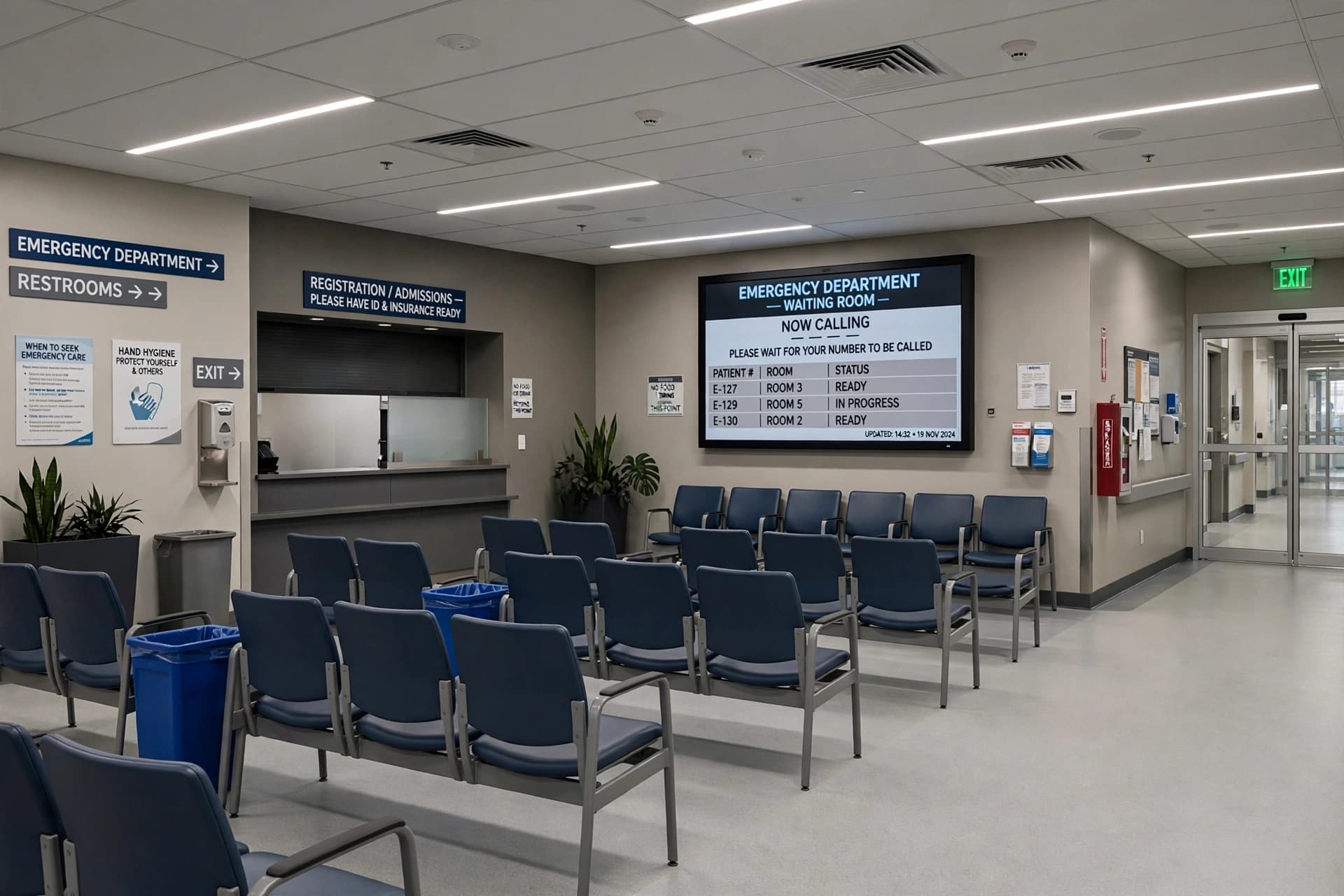
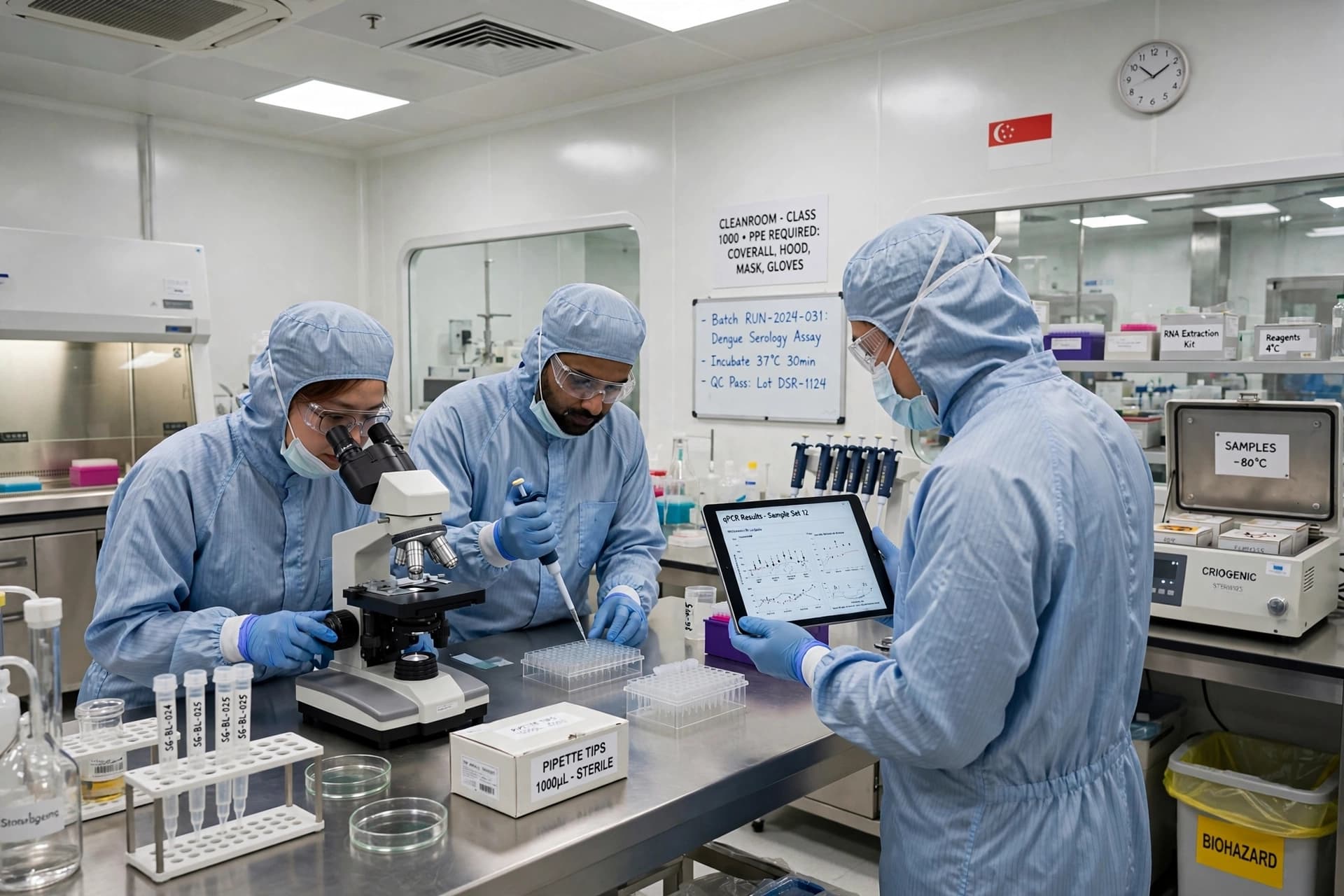
AI Image Disclaimer Visuals are created with AI tools and intended as conceptual depictions, not real photographs.
Source Check Media names only (no links):
Reuters BBC News Stuff RNZ (Radio New Zealand) The Guardian
Published by Banx Network. This article is part of the Banx decentralized media programme, powered by the BXE token on the XRP Ledger.

.jpg&w=3840&q=75 "Qantas Grounds Plane After Passengers Report Bedbug Bites")