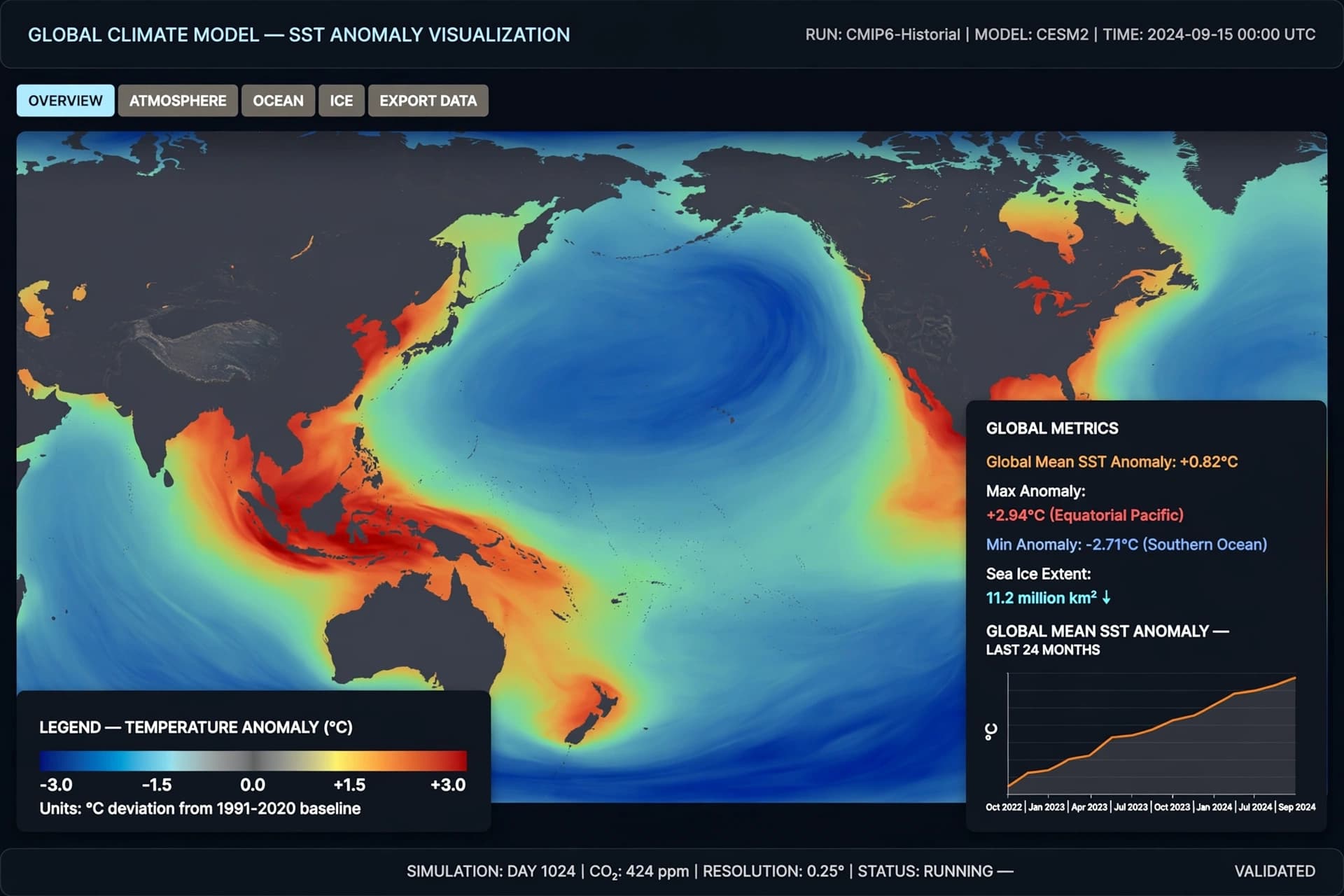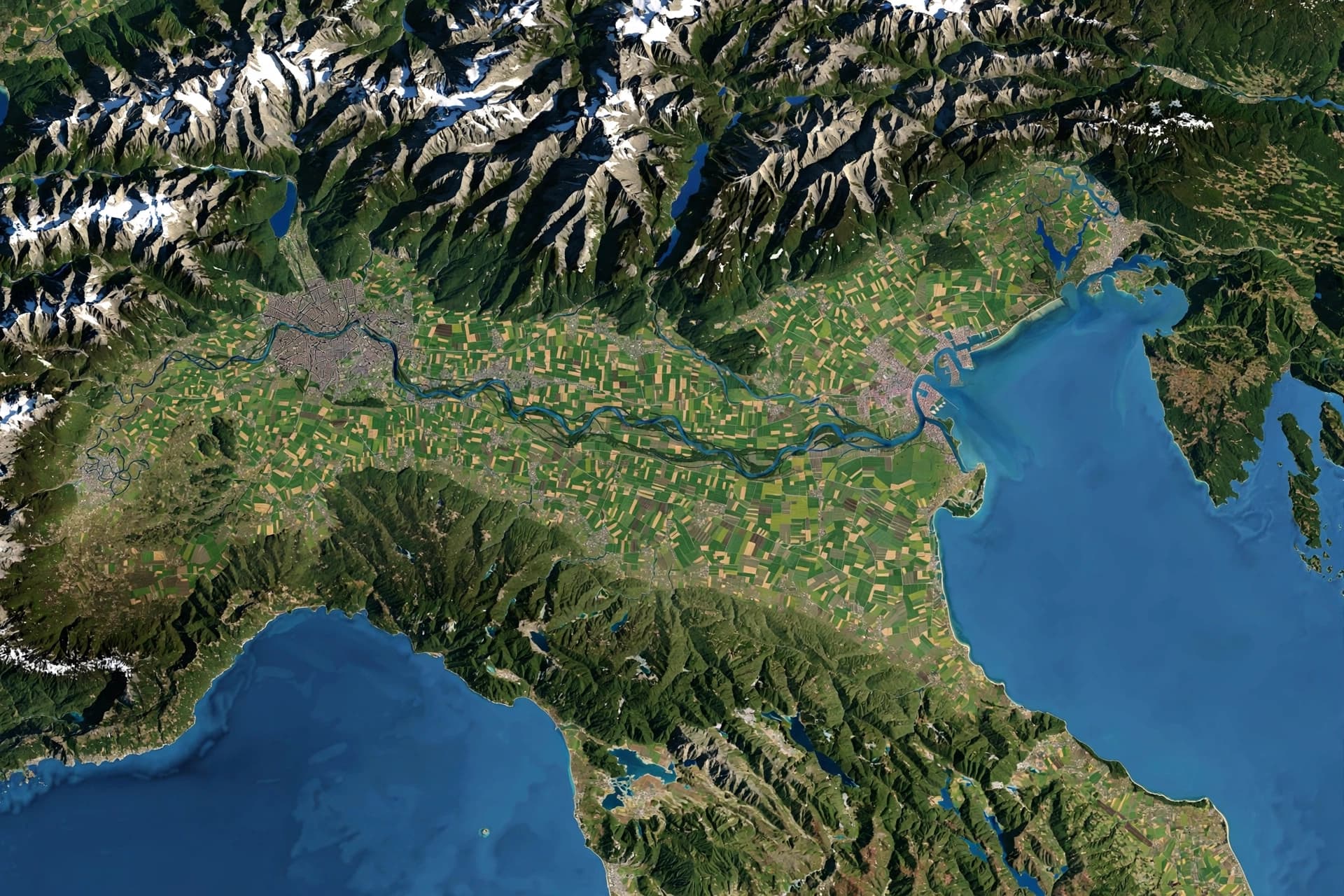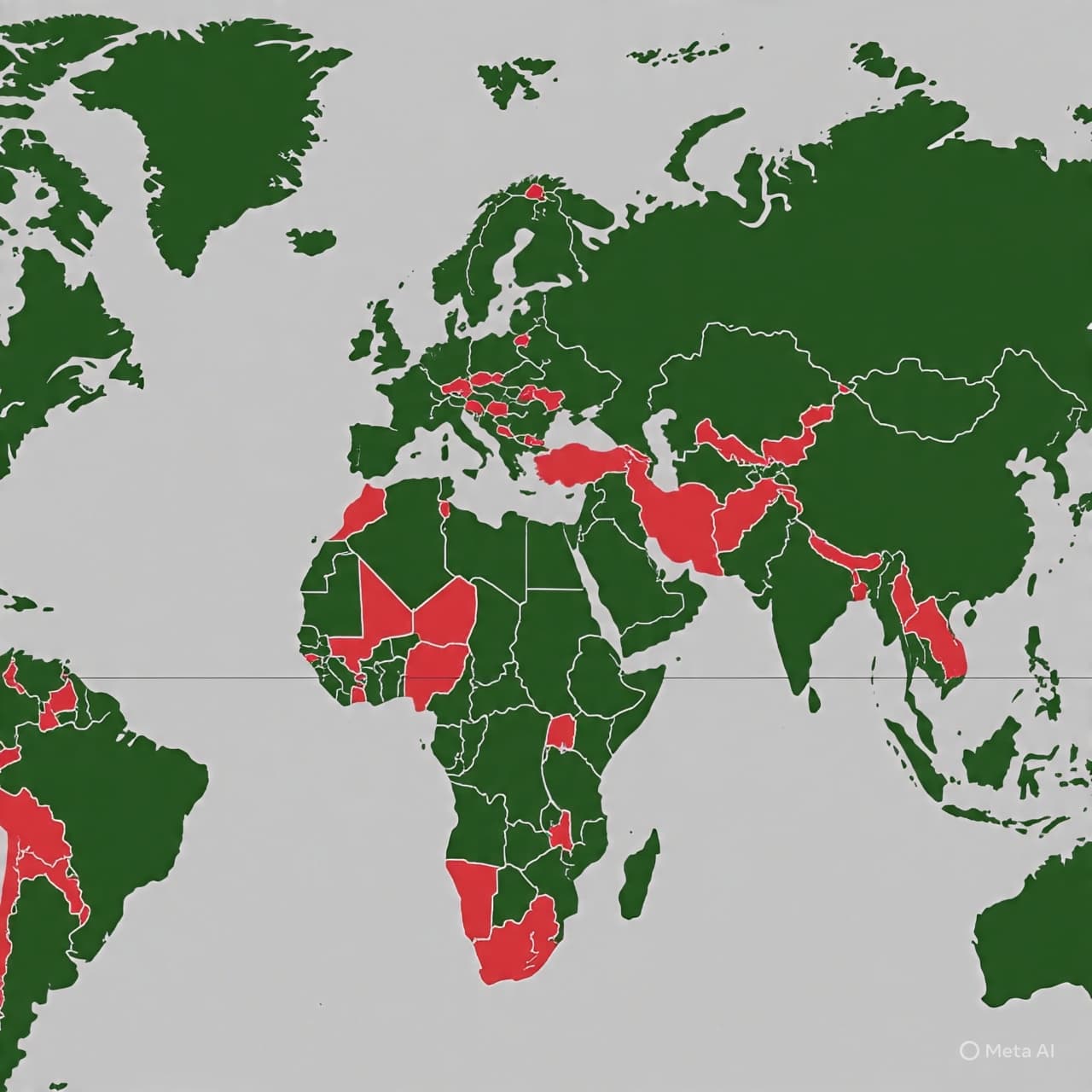
In the quiet rhythm of forests, where leaves whisper with the wind and roots entwine beneath the soil, a subtle and invisible force has begun to stir. Nitrogen, a gas essential to life, drifts unseen through the atmosphere, and now scientists are tracking its rise with unprecedented precision. A new global map reveals that nitrogen pollution is climbing, and with it comes questions about the delicate balance between forests and the carbon they store.
Nitrogen is a nutrient, a building block of proteins and chlorophyll, often welcomed in moderation. Yet in excess, it can act like an uninvited guest, altering the chemistry of soil, shifting plant growth patterns, and affecting the intricate microbial communities that regulate carbon storage. The global map, assembled from years of satellite observations and ground measurements, shows hotspots of nitrogen deposition concentrated near industrial regions, agricultural heartlands, and growing urban areas.
Forests respond to nitrogen in nuanced ways. Some trees and understory plants flourish, absorbing more carbon in the short term. Others experience stress as soil acidity rises or species composition shifts, potentially releasing carbon back into the atmosphere. The interplay is complex: nitrogen fertilizes some growth, but can also accelerate decomposition of organic matter, subtly undermining the forest’s role as a carbon sink.
Researchers emphasize that these changes are not uniform. Tropical, temperate, and boreal forests all react differently. In some regions, nitrogen deposition may temporarily enhance growth, while in others it can weaken the forest’s resilience to drought, pests, and disease. The new map provides a tool for understanding these patterns on a planetary scale, highlighting regions where management strategies could help forests maintain their carbon storage function.
Beyond the scientific data, the map is a reminder of human impact. Nitrogen emissions from vehicles, industry, and agriculture travel far from their source, crossing borders and oceans to reach even remote forests. What seems like an invisible chemical drift carries real consequences, influencing global carbon cycles and the climate system itself.
In this moment, the map is both a warning and an opportunity. It reveals not just where nitrogen pollution is rising, but also where forests might be most vulnerable or most resilient. Scientists hope it will guide policy, land management, and conservation strategies, helping forests continue their quiet, vital work of capturing carbon and sustaining biodiversity.
Ultimately, the story is one of balance: forests quietly converting sunlight, water, and nutrients into life and stored carbon, while nitrogen pollution tiptoes into the system, nudging processes in subtle but meaningful ways. Understanding the patterns, as this map allows, is the first step toward preserving that balance for the decades ahead.
AI Image Disclaimer (Rotated Version) Images in this article are AI-generated illustrations, meant for concept only.
Sources: Nature Science Magazine BBC News – Science National Geographic The Guardian – Environment
Published by Banx Network. This article is part of the Banx decentralized media programme, powered by the BXE token on the XRP Ledger.