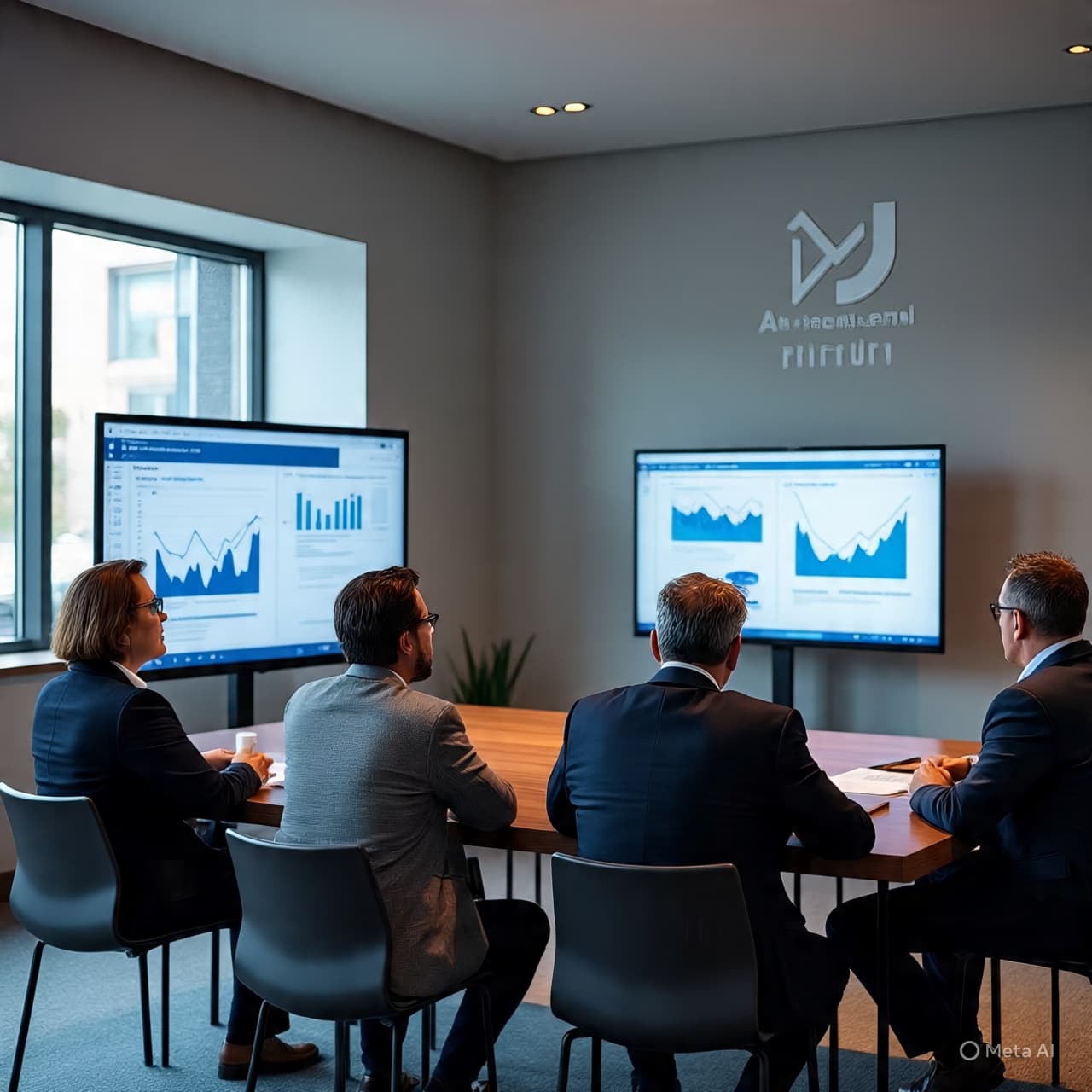
In the fast-moving corridors of technology, analysis often feels like cartography. Some map what has already been built; others sketch the outlines of what might rise next. Between research notes and industry briefings, insight becomes a kind of compass—quietly shaping where capital flows and which ideas gather momentum.
That is the terrain where has built his reputation. Through , Patel has become known for deep dives into semiconductors, AI infrastructure, and the competitive architecture of chipmakers. Now, according to multiple business outlets, he is exploring a new frontier: raising a venture fund.
The idea carries a certain symmetry. For years, SemiAnalysis has offered granular assessments of supply chains, GPU roadmaps, data center economics, and the strategic posture of AI leaders. Its reports have circulated widely among investors and executives trying to understand the shifting ground beneath artificial intelligence and semiconductor markets. Moving from analysis to allocation suggests a natural extension—if insight illuminates opportunity, why not invest alongside it?
The potential fund, as reported, would focus on technology sectors closely aligned with Patel’s research expertise, particularly AI and semiconductor startups. The transition from observer to participant, however, carries its own nuance. Research demands independence and distance; venture investing requires conviction and commitment. Balancing those roles would likely shape how the initiative evolves.
In recent years, the AI boom has drawn capital in waves. Infrastructure providers, chip designers, and AI application developers have seen valuations rise on the promise of transformative capability. Within that landscape, SemiAnalysis carved out a niche by offering technically rigorous, data-driven perspectives—often dissecting performance claims, cost structures, and competitive positioning with unusual clarity. It is perhaps unsurprising that such analysis might inspire direct engagement with the companies it evaluates.
Yet the move also reflects a broader pattern in technology media and research circles. Analysts, newsletter authors, and industry commentators increasingly operate at the intersection of information and influence. As their audiences grow, so too does the potential to translate credibility into capital partnerships. The boundary between commentary and capital formation becomes less rigid, though it remains carefully watched.
For founders, a fund guided by deep sector expertise can feel less like traditional financing and more like collaboration. Investors who understand chip architectures or AI training economics at a technical level may offer strategic value beyond capital alone. For readers of SemiAnalysis, the development signals an evolution—an expansion from interpreting industry shifts to helping shape them.
Still, questions remain measured rather than dramatic. How will editorial independence be preserved? What governance structures will be put in place? How will the fund position itself in a competitive venture landscape already crowded with AI-focused vehicles? These are considerations that typically unfold over time, as intentions meet execution.
In straightforward terms, reports indicate that Dylan Patel is considering raising a venture fund aligned with SemiAnalysis’s technology focus. Details regarding size, structure, and timeline have yet to be fully disclosed. For now, the prospect reflects a broader convergence of research insight and venture capital in the AI era.
AI Image Disclaimer Illustrations were produced with AI and serve as conceptual depictions.
Sources (Media Names Only)
Bloomberg Reuters TechCrunch CNBC The Information
Published by Banx Network. This article is part of the Banx decentralized media programme, powered by the BXE token on the XRP Ledger.

.jpg&w=3840&q=75 "The Artemis Revolution: How NASA Plans to Build Humanity's Future on the Moon")