There is a particular hush that follows a grand exhibition, a calm that settles after the applause has faded and the lights of Las Vegas dim. CES, with all its spectacle and promise, often feels like a cresting wave, impressive in its height yet temporary in its form. What matters more is the tide that follows, the quieter movement that carries ideas from crowded halls into homes, offices, and markets around the world. It is in this softer aftermath that strategy reveals itself, less performative and more deliberate.
For Chinese technology brands such as and , the period after CES has become a moment of careful recalibration rather than celebration. Their presence at the show signals confidence and technical maturity, yet the real work begins once prototypes return to boardrooms and regional teams assess how global audiences responded. Expansion today is no longer about loud entry, but about measured alignment with local needs, regulations, and expectations.
In recent years, both companies have used CES as a reference point rather than a destination. Product launches unveiled there often serve as adaptable frameworks, designed to be refined for North America, Europe, Southeast Asia, and emerging markets alike. This approach reflects a broader evolution in Chinese brands’ global mindset, shifting from rapid scale toward sustainable positioning. Instead of asking how fast they can enter a market, the more pressing question has become how deeply they can integrate.
TCL’s strategy illustrates this gradualism. Its focus on display technology, smart appliances, and energy-efficient solutions has been paired with localized partnerships and manufacturing investments. By placing emphasis on regional supply chains and compliance with environmental standards, the company positions itself not as an external challenger but as a participant in local industrial ecosystems. The message after CES is subtle: innovation must travel with humility if it is to last.
Lenovo, long accustomed to operating as a global brand, continues to refine a slightly different path. Its post-CES narrative often centers on enterprise solutions, hybrid work technologies, and AI-ready infrastructure. Rather than chasing consumer trends alone, Lenovo emphasizes continuity, reassuring international clients that its innovations are designed for stability as much as novelty. Expansion here feels less like conquest and more like maintenance of trust across borders.
What unites these approaches is a shared awareness that the global environment has changed. Trade tensions, regulatory scrutiny, and shifting consumer sentiment have made visibility a double-edged sword. CES offers exposure, but restraint afterward signals maturity. By spacing out market entries, tailoring messaging, and investing in local talent, these brands appear to favor endurance over immediacy.
There is also a cultural shift at play. Post-CES strategies increasingly acknowledge that global audiences are not monolithic. Features celebrated in Las Vegas may require reinterpretation elsewhere, not dilution but translation. This sensitivity suggests that Chinese brands are learning to listen as carefully as they announce, allowing feedback to guide expansion rather than overwhelm it.
In straightforward terms, following CES, Chinese technology companies including TCL and Lenovo are focusing on region-specific rollouts, deeper localization, and long-term partnerships as they expand globally. Rather than relying on the momentum of trade-show exposure alone, these firms are emphasizing measured growth, regulatory alignment, and sustained market presence across multiple regions.
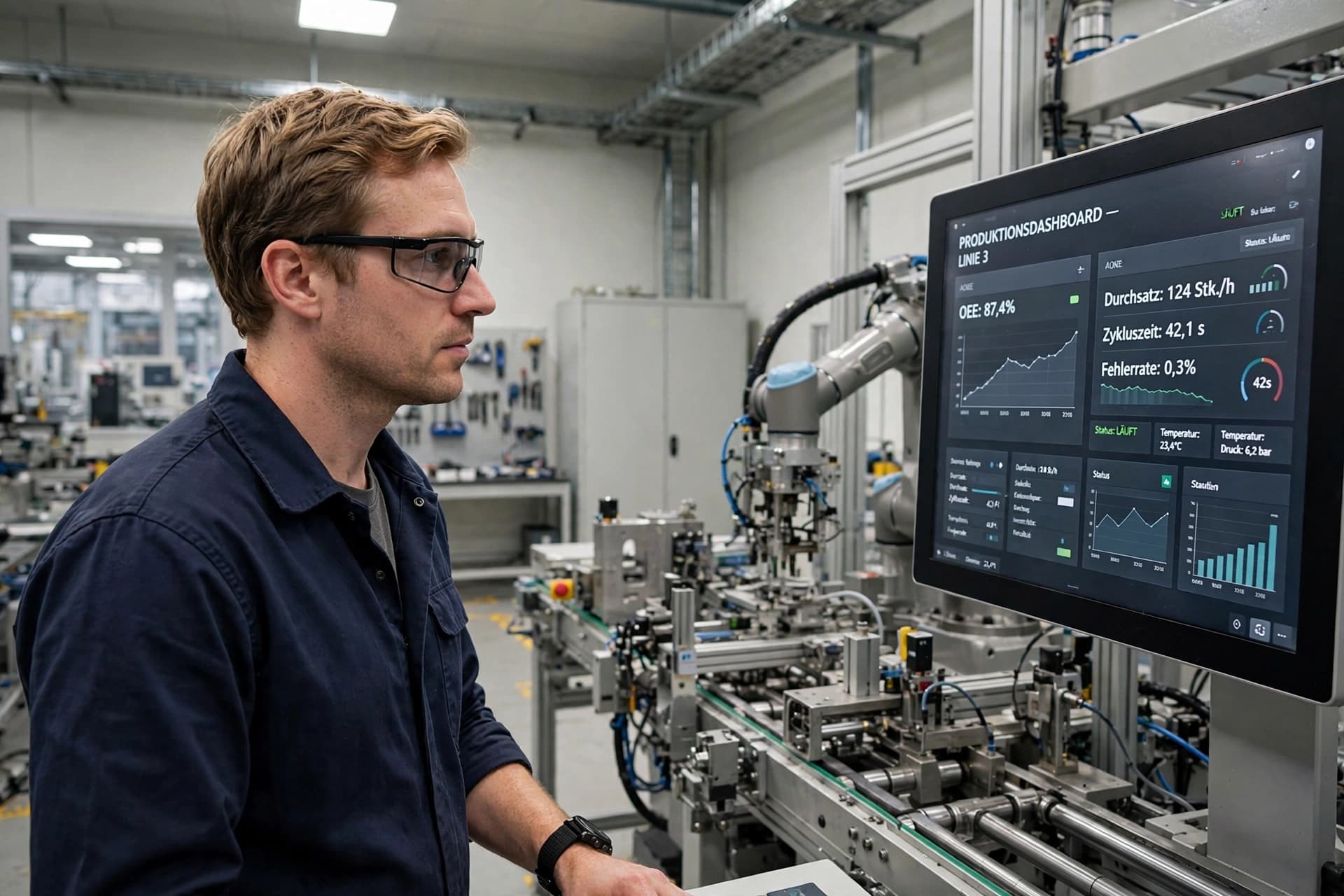
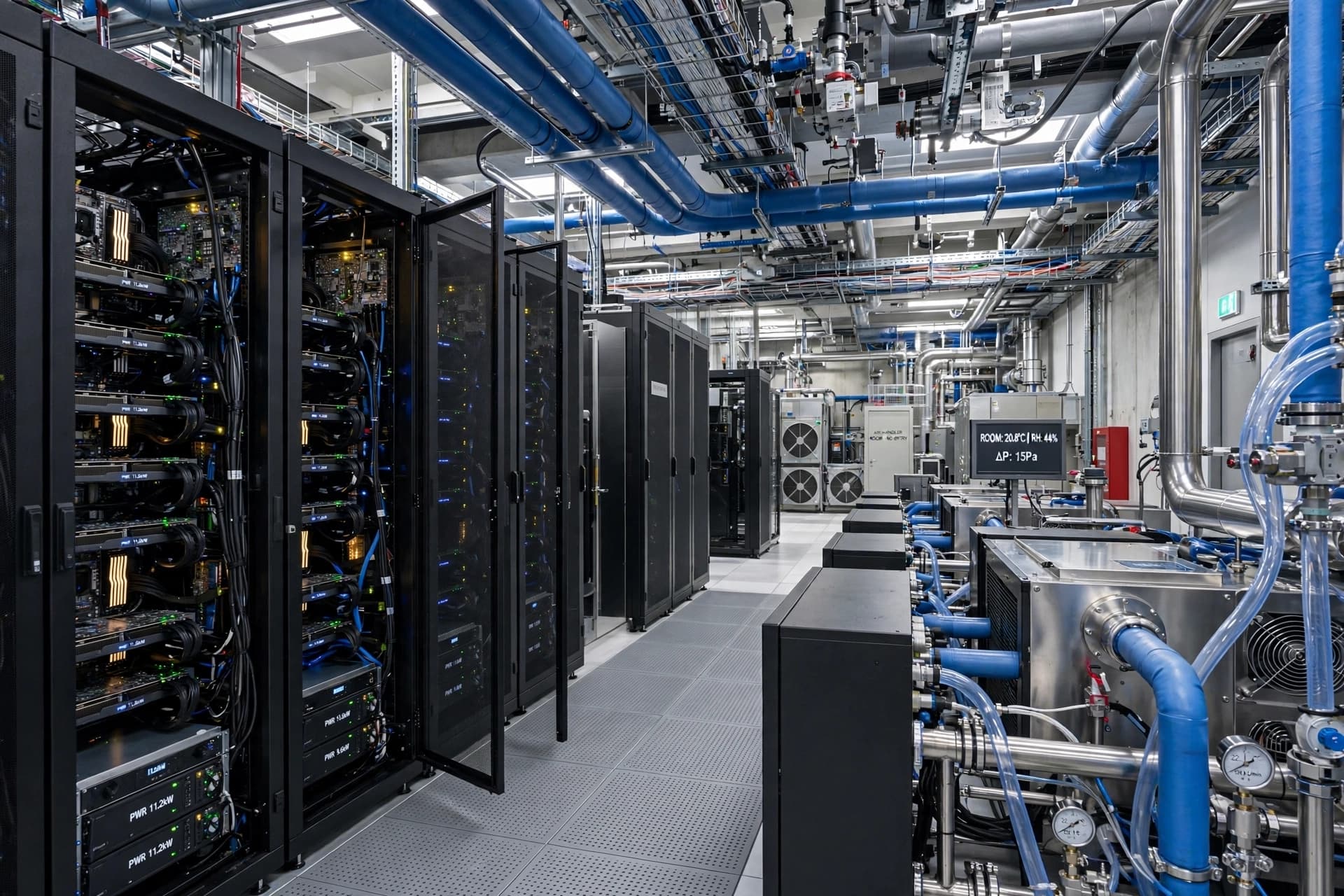
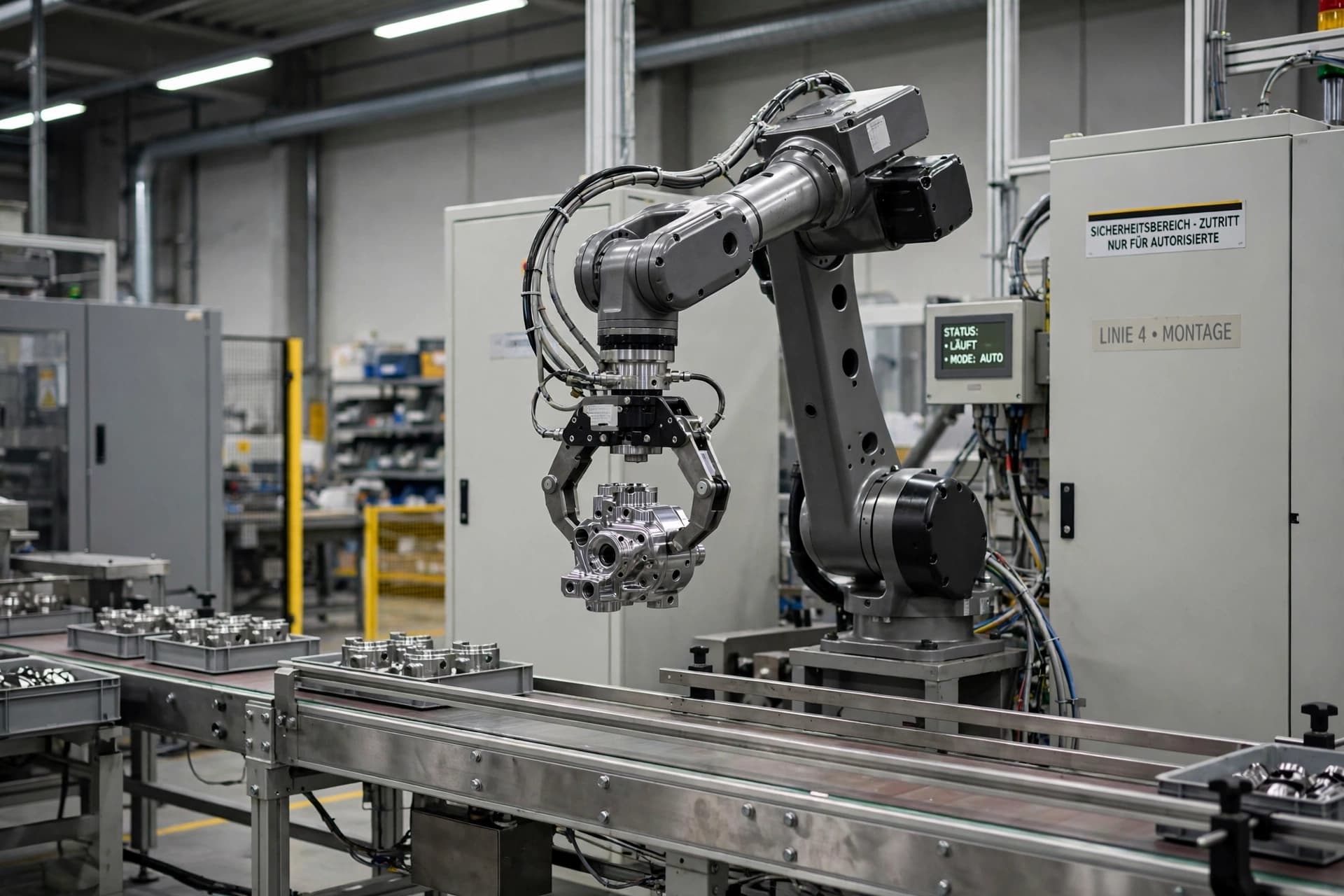
AI Image Disclaimer “Illustrations were produced with AI and serve as conceptual depictions.”
Sources
Reuters Bloomberg Nikkei Asia Financial Times CNBC
Published by Banx Network. This article is part of the Banx decentralized media programme, powered by the BXE token on the XRP Ledger.