There are moments in technology when progress feels less like a straight road and more like a river meeting resistance—currents colliding, directions uncertain. The recent decision by China to unwind a major artificial intelligence acquisition by Meta seems to belong to that quiet but consequential category, where ambition encounters the invisible boundaries of sovereignty. What once appeared to be a completed bridge between two innovation ecosystems is now being gently, yet firmly, taken apart plank by plank.
At the center of the story is Manus, an AI startup with Chinese roots that later repositioned itself beyond mainland borders. Meta, seeking to deepen its reach into advanced AI systems—particularly autonomous agents capable of complex, independent tasks—moved to acquire the company in a deal reportedly valued at around $2 billion. For a moment, it seemed like a natural extension of the global AI race, where talent, capital, and ideas flow across borders in search of scale and speed.
But the flow of technology is rarely frictionless. Chinese regulators stepped in, ordering the transaction to be reversed after a review that emphasized national security concerns and restrictions on foreign investment in sensitive sectors. The move reflects a broader unease: not just about ownership, but about the migration of knowledge itself—what some observers describe as a quiet “export” of domestic innovation through corporate restructuring and relocation.
The situation carries a certain paradox. Manus had already shifted much of its operational presence to Singapore, a step often seen as a way to access global capital while maintaining technical identity. Yet even geography, it seems, cannot fully redraw the lines of origin. Regulators signaled that roots still matter—that intellectual lineage and talent networks remain tied, in subtle ways, to national frameworks.
For Meta, the acquisition was not merely transactional. It represented an acceleration—a way to integrate emerging AI agent capabilities into its broader ecosystem, from digital assistants to enterprise tools. The reversal introduces not just a delay, but a recalibration. It raises questions about how global tech companies pursue innovation when regulatory landscapes shift beneath their feet, sometimes after deals have already been signed.
For China, the decision appears to echo a longer-term strategy. Artificial intelligence is not viewed simply as a commercial frontier, but as a strategic resource—one intertwined with economic transformation, national competitiveness, and technological independence. In that context, the intervention feels less like an isolated event and more like a continuation of a broader pattern: preserving domestic capability while carefully managing external access.
What emerges is not a story of conflict alone, but of boundaries being redrawn in real time. The global AI ecosystem, once imagined as borderless, is increasingly shaped by policy, identity, and strategic caution. Deals that once symbolized openness now carry layers of scrutiny, as if each transaction must answer a deeper question: who ultimately owns the future of intelligence?
The outcome of this particular case remains uncertain. Legal interpretations may be tested, negotiations may continue, and alternative pathways may emerge. Yet the signal is already clear enough. In the evolving landscape of artificial intelligence, progress does not move freely—it moves within lines that nations are still learning how to draw.
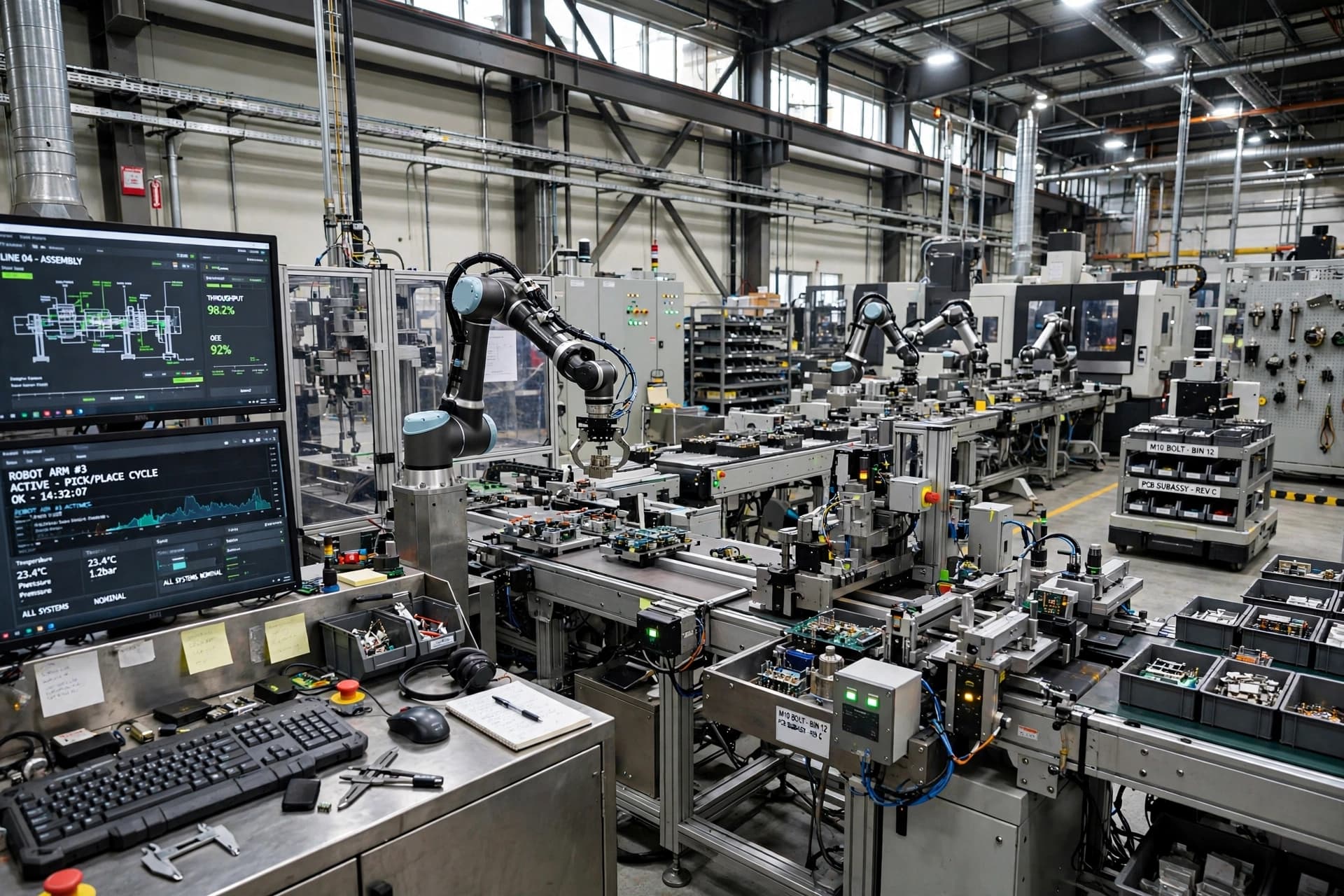
AI Image Disclaimer
Visuals are created with AI tools and are not real photographs.
Source Check
Here are credible sources covering the story:
Reuters
Associated Press
The Washington Post
The Guardian
Caixin Global
Published by Banx Network. This article is part of the Banx decentralized media programme, powered by the BXE token on the XRP Ledger.