Economic change rarely arrives in a single dramatic moment. More often, it appears through small decisions: an engineer leaves a familiar employer, a founder develops a tool to solve an expensive problem, or a team begins building a company around an emerging technology. Across Germany, these decisions are contributing to a changing business landscape.
According to Reuters on October 6, 2026, more than 3,000 startups were founded in Germany during the first half of the year. The figure represented a record and a 52% increase compared with the previous six months, based on data from the German economy ministry.
Artificial intelligence has been a major part of this expansion. Around one-third of the newly founded companies were focused on AI, reflecting growing interest in software that can automate routine work, support decision-making, and help businesses manage complex operations.
The trend is emerging at a difficult time for Germany’s established industrial base. Reuters reported that the country lost around 400,000 industrial jobs between 2019 and 2025, according to an estimate from the German Economic Institute. Competition from China and pressure on major manufacturing sectors have contributed to the challenges facing established companies.
That pressure may also create demand for new solutions. Businesses looking to improve productivity or reduce costs can become potential customers for startups developing AI-based software. These tools may help companies analyze information, coordinate work, or streamline processes that have traditionally required extensive manual effort.
The startup landscape is not limited to AI. Software accounted for 28% of newly founded companies, while healthcare represented 9%, according to the Reuters report. Some founders are working on practical problems in specialized markets, including medical devices designed to help manage menstrual pain. Such examples illustrate how entrepreneurship can emerge from everyday needs as well as major technological shifts.
Investment has also helped support the expansion. German startups raised €8 billion in venture capital between January and September 2026, exceeding the total recorded during all of 2025, Reuters reported, citing the German Startup Association’s Startup Monitor. However, attracting and retaining capital remains a challenge, particularly when companies compare available funding with larger markets such as the United States.
Germany’s government has sought to improve conditions for entrepreneurs through measures intended to reduce administrative barriers and help companies expand. Yet a growing number of new businesses does not automatically guarantee long-term success. Startups still need customers, sustainable revenue, experienced employees, and access to financing as they move beyond their earliest stages.
The rise in company formation suggests that Germany’s economic future may depend partly on how effectively new technology connects with its existing industrial strengths. AI startups could become suppliers to established manufacturers, while healthcare and software ventures may create opportunities in specialized markets. The results will take time to measure, but the shift is already visible in the number and variety of new companies being formed.
### Image Disclaimer
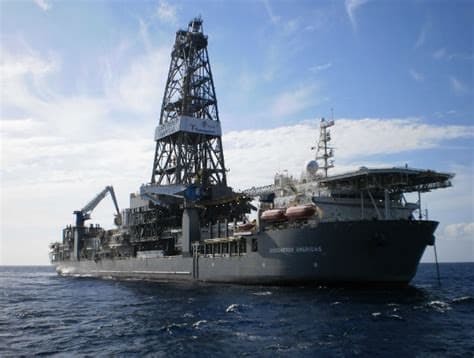
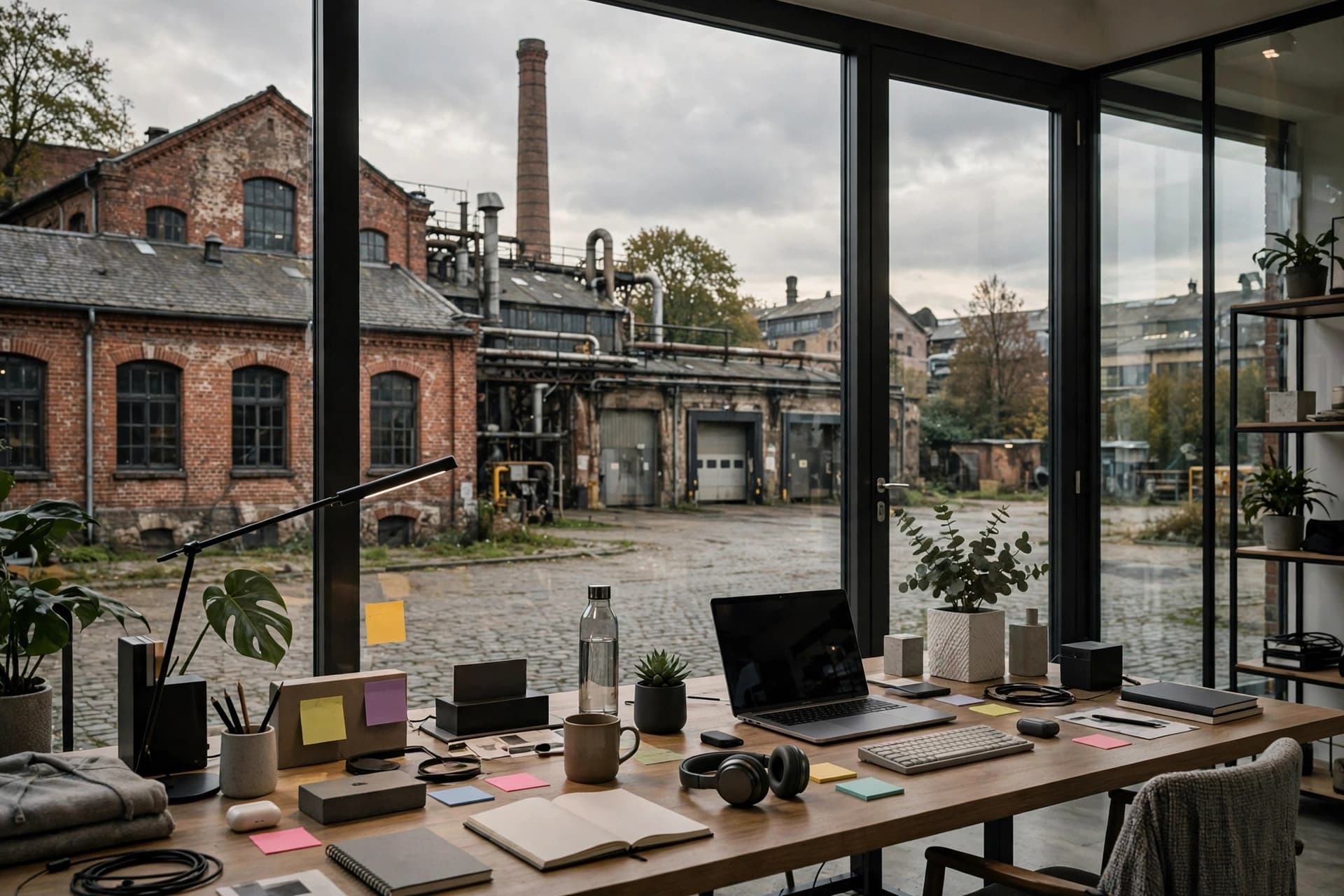
The illustrations are conceptual representations of Germany’s startup ecosystem and AI-driven business innovation. They do not depict every company included in the reported figures or imply that all new startups will succeed.
### Sources
• Reuters
• German Federal Ministry for Economic Affairs and Energy
• German Economic Institute (IW)
• German Startup Association
Published by Banx Network. This article is part of the Banx decentralized media programme, powered by the BXE token on the XRP Ledger.