Economic growth rarely arrives with a single sound. It is carried through shops opening in the morning, factories continuing their production, households making purchases, and businesses deciding whether to invest in another season. In Indonesia, those many movements combined to produce another period of expansion during the second quarter of 2026.
Indonesia's gross domestic product grew 5.29% year-on-year in the April-to-June period, according to official data reported by Reuters. The result was slightly stronger than economists had expected and demonstrated that domestic economic activity continued to provide support despite an uncertain global environment.
The figure came as investors and businesses continued watching household consumption, exports, investment, and government spending for signs of the economy's direction. Each component represents a different current within Indonesia's broader economic river, and together they determine the pace at which the economy moves.
Household consumption remains particularly important because Indonesia has a large domestic market. Spending on food, transportation, services, retail goods, and other daily necessities can provide an internal source of momentum when external conditions become less favorable.
Investment also remains closely watched. Indonesia has spent years attempting to strengthen its position as a destination for manufacturing, natural resources processing, infrastructure, and technology-related investment. The performance of the economy therefore carries significance beyond the quarterly growth figure itself.
The second-quarter result also came against a backdrop of shifting global trade conditions. Export-oriented industries face changing demand and international competition, while businesses must continue adjusting to movements in commodity prices, financing costs, and currency markets.
For policymakers and economists, the latest figure offers another indication of resilience, although one quarter alone cannot establish a long-term trend. Growth can accelerate or slow depending on domestic spending, external demand, investment conditions, and the wider global economy.
The Indonesian economy has maintained growth above 5% through much of the post-pandemic period, making the rate an important reference point for businesses and investors. Maintaining that pace becomes more challenging as the economy grows larger and external pressures become less predictable.
The data also provides a backdrop for companies making decisions about expansion, hiring, production, and capital spending. Stronger-than-expected growth can support confidence, although businesses still need to consider individual market conditions rather than relying solely on national indicators.
Indonesia's second-quarter performance therefore leaves the economy moving forward with a moderate but notable pace. The next set of data will show whether domestic activity can maintain that momentum through the second half of the year as global economic conditions continue to evolve.
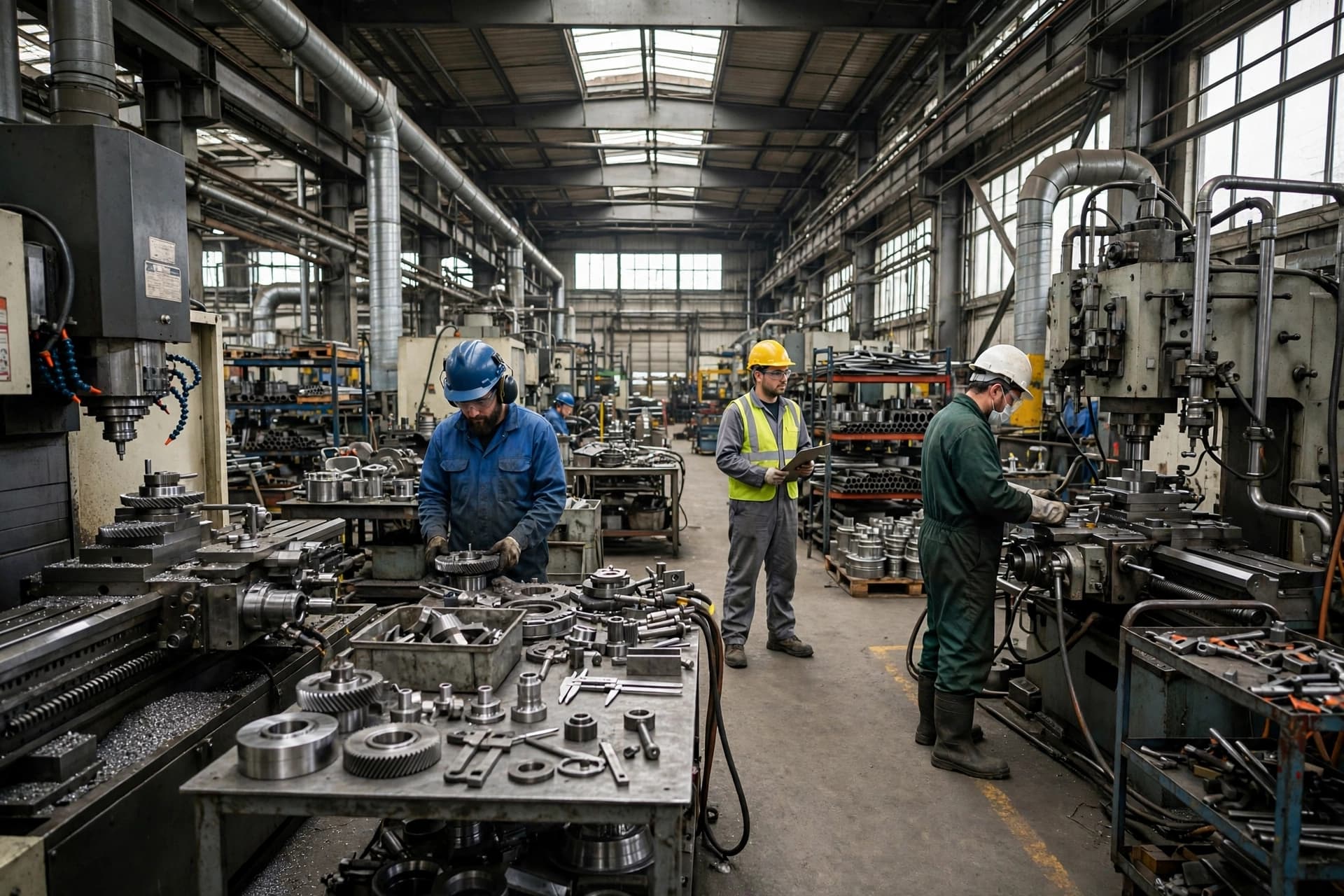
AI Image Disclaimer The accompanying visuals were generated with AI for illustrative purposes and are not photographs of actual events.
Sources Reuters Statistics Indonesia (BPS)
Published by Banx Network. This article is part of the Banx decentralized media programme, powered by the BXE token on the XRP Ledger.