There is a particular quietness to an industrial site before construction begins. The land may still appear ordinary, yet plans, contracts and streams of capital are already moving toward it. Across Indonesia, that invisible movement has become increasingly visible as companies reconsider where their factories and digital infrastructure should be built.
Indonesia is benefiting from a broader shift in global supply chains, with companies looking beyond China for additional production locations. The Jakarta Post reported that investment from mainland China and Hong Kong reached US$11.5 billion in the first half of 2026, almost three times the US$4.1 billion recorded during the same period a year earlier.
Manufacturing is one part of that movement. Indonesia's large domestic market, mineral resources and expanding industrial capacity make it an increasingly relevant location for companies seeking to diversify production. The change is gradually reshaping industrial areas that once depended more heavily on traditional manufacturing.
Digital infrastructure is moving along a similar path. Batam, for example, has attracted at least 16 data centers at different stages of development, according to The Jakarta Post. The island's location near Singapore gives it a natural connection to one of Southeast Asia's most important digital and financial centers.
A data center, however, requires more than servers and buildings. It needs reliable electricity, cooling systems, telecommunications connections and sufficient water resources. As investment grows, the supporting infrastructure becomes just as important as the technology housed inside the facility.
This is where Indonesia's opportunity becomes more complex. Attracting capital is one step, but turning that capital into durable economic capacity requires skilled workers, dependable infrastructure and supply chains capable of supporting increasingly sophisticated industries.
The country's push toward downstream processing also fits into this changing landscape. Rather than exporting raw materials alone, Indonesia is seeking to process resources domestically and build more value-added industries around them. The strategy places manufacturing, energy and technology increasingly close to one another.
The shift is not limited to Chinese companies. The Jakarta Post reported growing interest from Indian businesses seeking access to Indonesia's domestic market and considering the country as an export base. That suggests the broader movement is becoming part of a wider regional reorganization of investment.
Yet new investment also brings practical questions. Data centers can place substantial demands on electricity and water, while industrial expansion requires roads, ports and other infrastructure. The speed of investment therefore needs to move alongside the capacity of the places receiving it.
Indonesia's position in Asia is changing through these overlapping currents. Factories, mineral-processing facilities and digital infrastructure are increasingly connected to global companies searching for new production and technology locations.
For Indonesia, the next stage may be measured not simply by how much capital enters the country, but by what that capital leaves behind: new industrial capabilities, stronger infrastructure, technological knowledge and businesses capable of participating more deeply in regional supply chains.
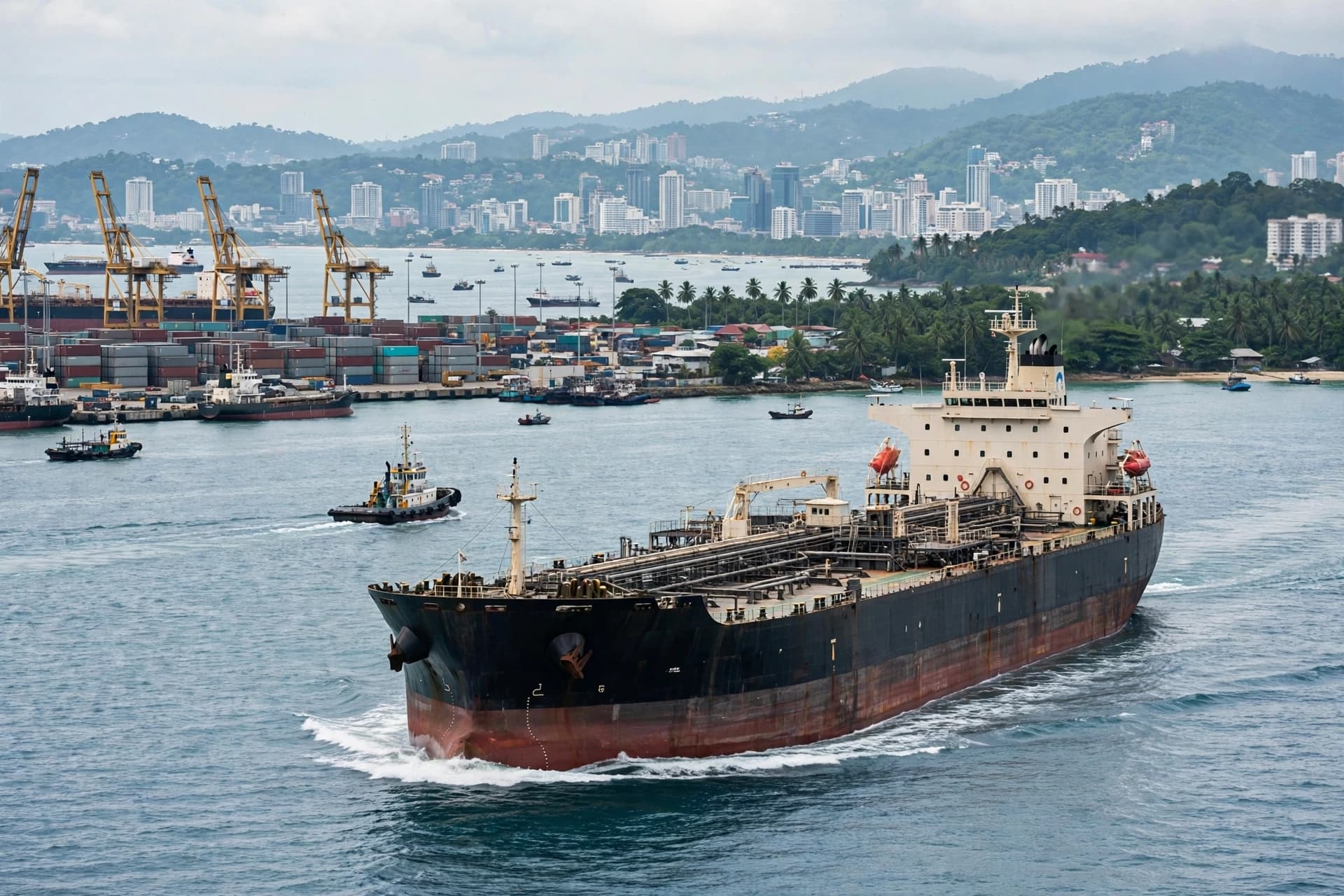
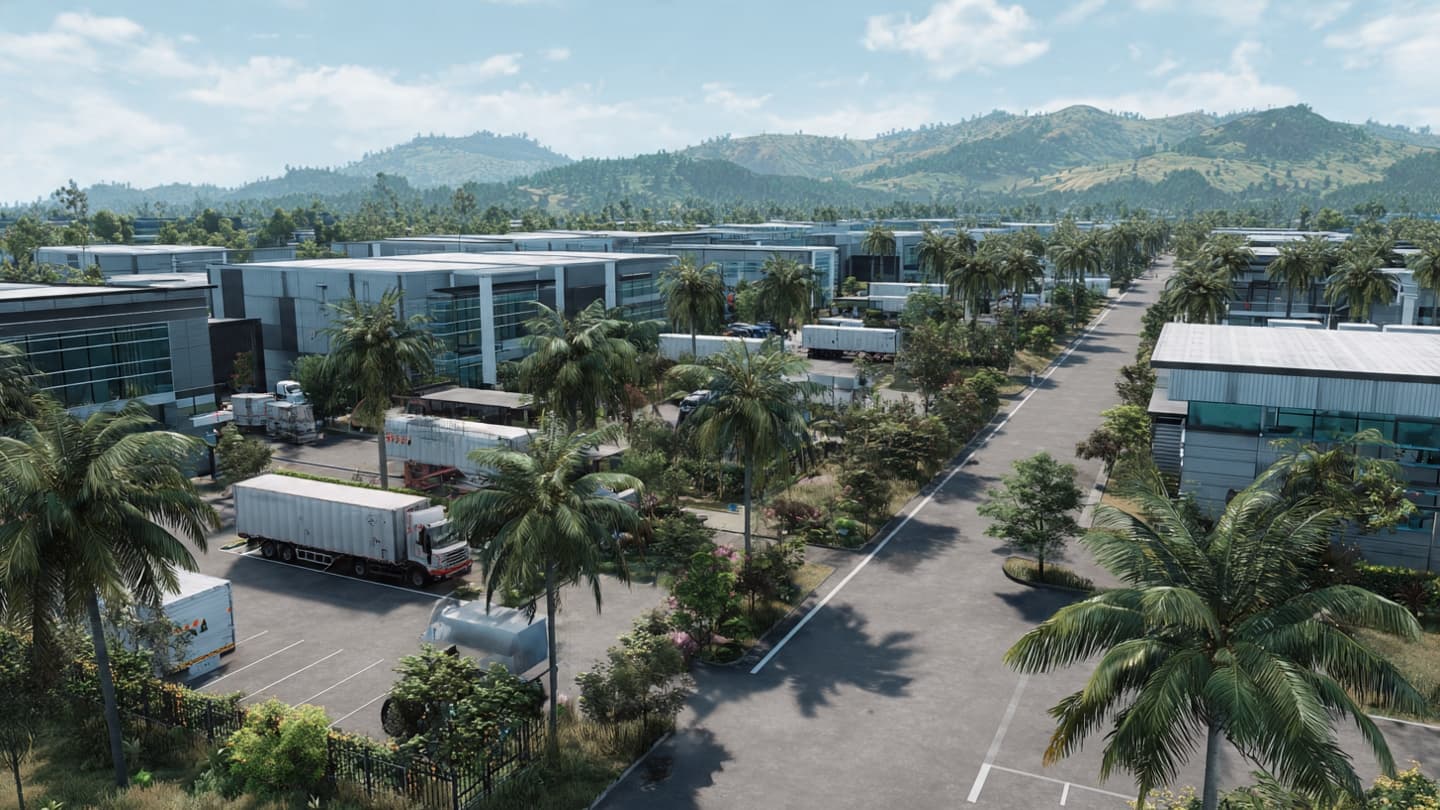
AI Image Disclaimer The following visuals were generated with AI for conceptual illustration and are not photographs of actual Indonesian investment projects or facilities.
Sources The Jakarta Post Reuters Indonesia Investment Coordinating Board Ministry of Investment and Downstream Industry Bank Indonesia
Published by Banx Network. This article is part of the Banx decentralized media programme, powered by the BXE token on the XRP Ledger.