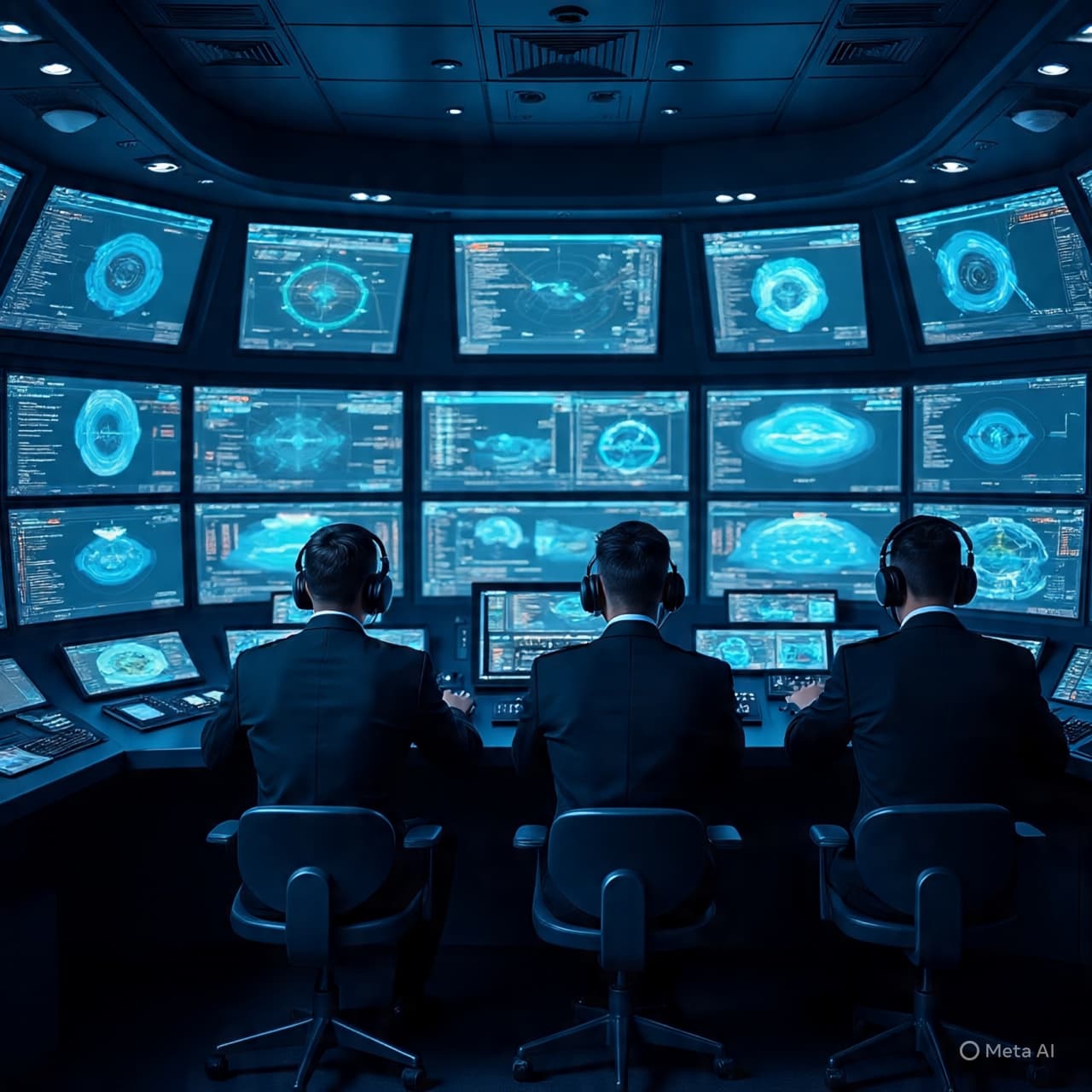
There is a particular hush that surrounds legacy storytellers whenever they take a step toward the future—as if the weight of their own history follows closely behind them. When word emerged that Disney plans to develop an in-house neural network for video generation, that familiar hush returned. It wasn’t loud or disruptive, just a quiet shift in the wind—an acknowledgment that even the world’s most iconic studio is learning to speak a new technological language.
The idea itself feels almost inevitable. Streaming platforms no longer compete only on libraries or franchises; they compete on momentum—on how often viewers return, linger, explore, and rediscover. For Disney+, the promise of an internal model capable of generating adaptive visuals, tailored scenes, or interactive elements is less a novelty and more an attempt to create a living platform, one that reshapes itself around the people watching.
Inside the industry, the move is read as both defensive and imaginative. Defensive, because entertainment is being rewritten by AI tools that can produce content faster than traditional workflows ever could. Imaginative, because Disney has always treated technology not as a threat but as a companion—embracing innovations from synchronized sound to early CGI, from theme-park animatronics to advanced simulation in visual effects. A neural video engine simply extends the lineage.
Published by Banx Network. This article is part of the Banx decentralized media programme, powered by the BXE token on the XRP Ledger.