There are places in the solar system that seem to sleep with their eyes open. Mars, rust-colored and wind-brushed, carries its ice not as a flowing river but as a quiet archive. Beneath its thin atmosphere and across its poles, water rests in frozen patience. To imagine warming such a world is not merely to raise its temperature; it is to stir a memory held for millions of years.
Scientists have long studied the Martian water cycle as it exists today—subtle, sparse, and governed by cold. Research supported by and published in journals such as and explores how even slight temperature shifts could influence ice stability, atmospheric moisture, and surface distribution. These studies do not describe immediate transformation, but rather gradual responses unfolding over decades or centuries.
Currently, Mars holds significant water ice at its polar caps and beneath layers of regolith in mid-latitude regions. The existing water cycle is limited: small amounts of water vapor move seasonally between the poles and the atmosphere, freezing and sublimating in rhythm with temperature swings. Artificial warming—whether through greenhouse gas release or orbital engineering concepts often discussed in theoretical terraforming scenarios—would alter this balance.
Climate models suggest that sustained warming could cause polar ice to sublimate at higher rates, increasing atmospheric water vapor. In turn, this moisture could migrate and redeposit in new regions, reshaping surface ice patterns. Some simulations indicate that mid-latitude glaciers might retreat, while transient liquid brines could appear under specific pressure and temperature conditions. However, Mars’ low atmospheric pressure remains a limiting factor, meaning stable, flowing liquid water would still be difficult to maintain without significant atmospheric thickening.
Researchers note that warming would not simply “melt” Mars into rivers and seas. Instead, it would initiate a redistribution process. Ice locked in the subsurface might migrate, atmospheric circulation patterns could intensify, and dust-ice interactions might shift albedo, further influencing local climate feedback loops. The Martian surface, long sculpted by cold and wind, would respond in layered and uneven ways.
Studies featured in outlets such as and often emphasize the complexity of such transformations. Even modest warming scenarios produce cascading effects in simulations: cloud formation changes, polar cap thinning, and regional variations in frost deposition. Over extended periods, the planet’s appearance from orbit could subtly evolve, with ice margins shifting and seasonal contrasts deepening.
There are also implications for future exploration. Redistribution of accessible water ice could affect landing site planning, habitat construction, and in-situ resource utilization. Water remains central not only to scientific curiosity but also to any sustained human presence. Understanding how artificial warming influences its location is therefore both theoretical and practical.
Yet the conversation remains largely within modeling frameworks. No current mission is attempting planetary-scale warming, and the ethical, technical, and environmental implications remain deeply debated. The focus today lies in understanding Mars as it is—and as it might respond under controlled simulations.
In closing, research into the long-term impacts of artificial warming on the Martian water cycle continues through climate modeling and observational data. Findings suggest that warming would likely redistribute surface and subsurface ice rather than create stable oceans. Scientists emphasize that such outcomes depend on atmospheric changes, feedback mechanisms, and sustained temperature increases. For now, Mars remains cold and measured, while researchers refine their projections of what a warmer future could mean for the Red Planet.
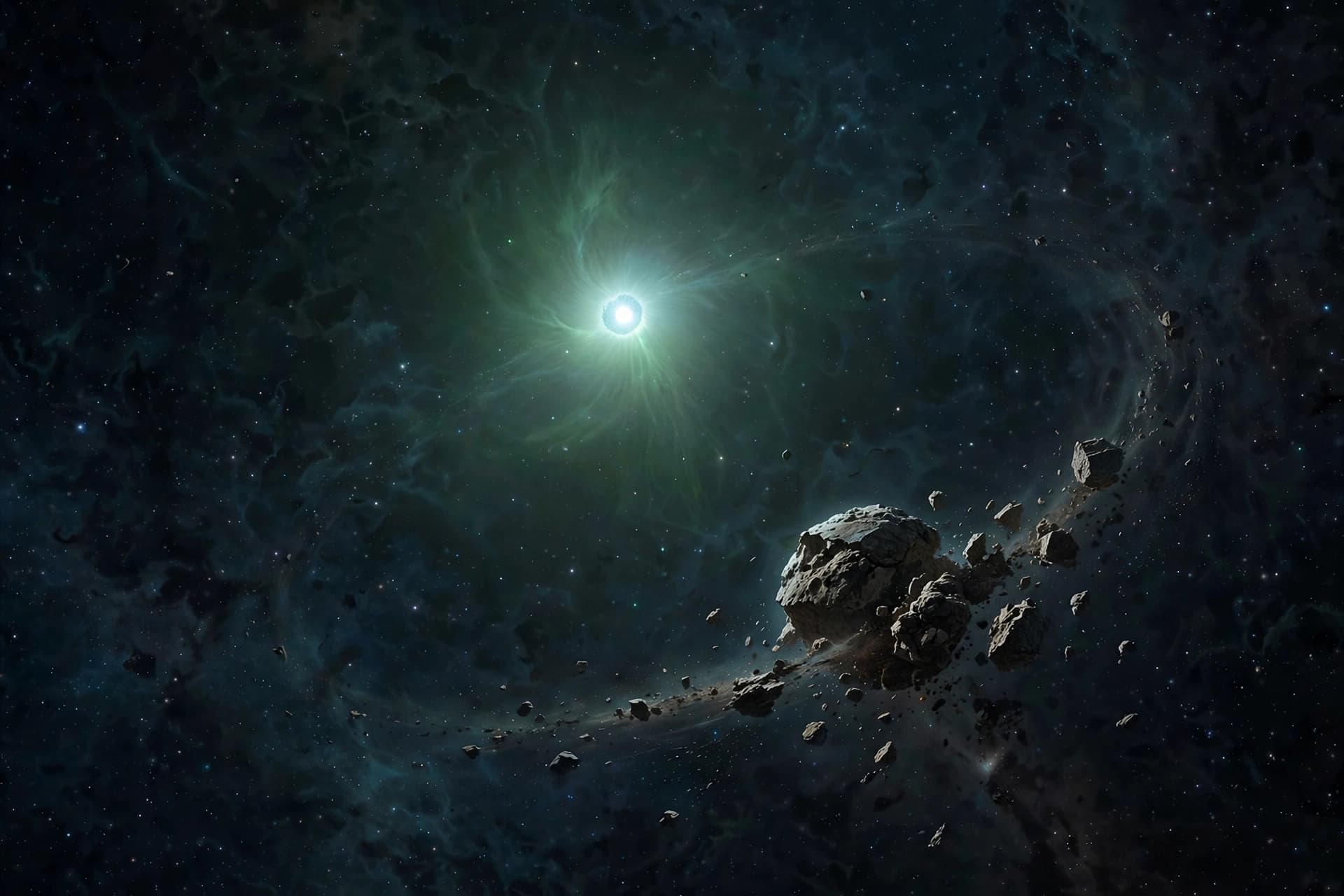
AI Image Disclaimer Illustrations were produced with AI and serve as conceptual depictions.
Sources NASA Nature Science Space.com Scientific American
Published by Banx Network. This article is part of the Banx decentralized media programme, powered by the BXE token on the XRP Ledger.