For years, memory chips were invisible—essential, but rarely discussed outside engineering circles. That silence has broken. As global hardware shortages continue to ripple through the technology sector, even established brands are reconsidering where their boundaries lie.
ASUS, long known as a system builder rather than a component manufacturer, is now rumored to be exploring DRAM production. If realized, the move would mark a meaningful shift in how the company positions itself within the hardware ecosystem. It would also reflect a broader recalibration underway across the industry, driven less by ambition than by necessity.
The pressure is structural. Memory supply has tightened as major chipmakers prioritize higher-margin demand from artificial intelligence and data-center customers. Consumer-grade DRAM, particularly newer standards, has become more volatile in pricing and availability. For companies that depend on consistent memory access to ship laptops, desktops, and gaming systems, the risk is no longer abstract.
In this context, ASUS’s alleged interest in manufacturing DRAM is less about vertical dominance and more about insulation. Controlling even part of the memory pipeline could offer predictability in a market where unpredictability has become the norm. It could also help stabilize costs across product lines that are increasingly sensitive to component swings.
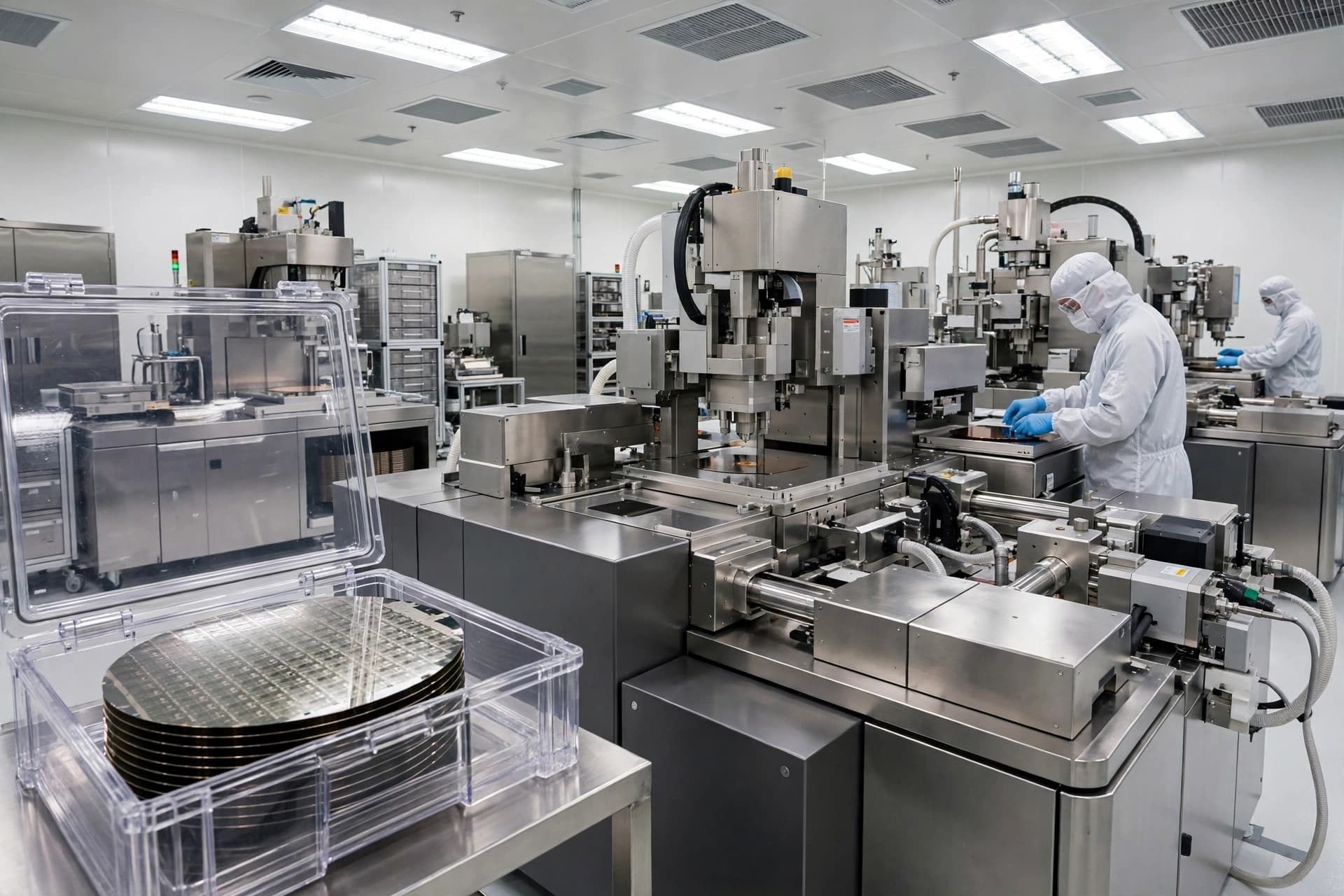
Yet the leap should not be underestimated. DRAM manufacturing is among the most capital-intensive and technically demanding segments of the semiconductor industry. Entry does not simply require branding or assembly expertise, but deep partnerships, long-term investment, and tolerance for cyclical risk. Even established memory players have struggled through downturns and oversupply phases.
This is why observers caution against interpreting the reports as a definitive pivot. Any involvement may begin indirectly—through joint ventures, strategic sourcing agreements, or limited production focused on internal use rather than open market competition. Such an approach would align with ASUS’s historically pragmatic strategy: expand capability without overstretching identity.
If the rumors prove accurate, the significance would extend beyond ASUS alone. It would underscore how prolonged shortages are reshaping corporate boundaries, nudging system makers closer to the silicon itself. In an industry built on specialization, scarcity has a way of blurring roles.
For now, the story remains unfinished. But the message is clear: when foundational components become fragile, even the most familiar names begin to adapt. Not loudly. Not dramatically. But decisively
Published by Banx Network. This article is part of the Banx decentralized media programme, powered by the BXE token on the XRP Ledger.