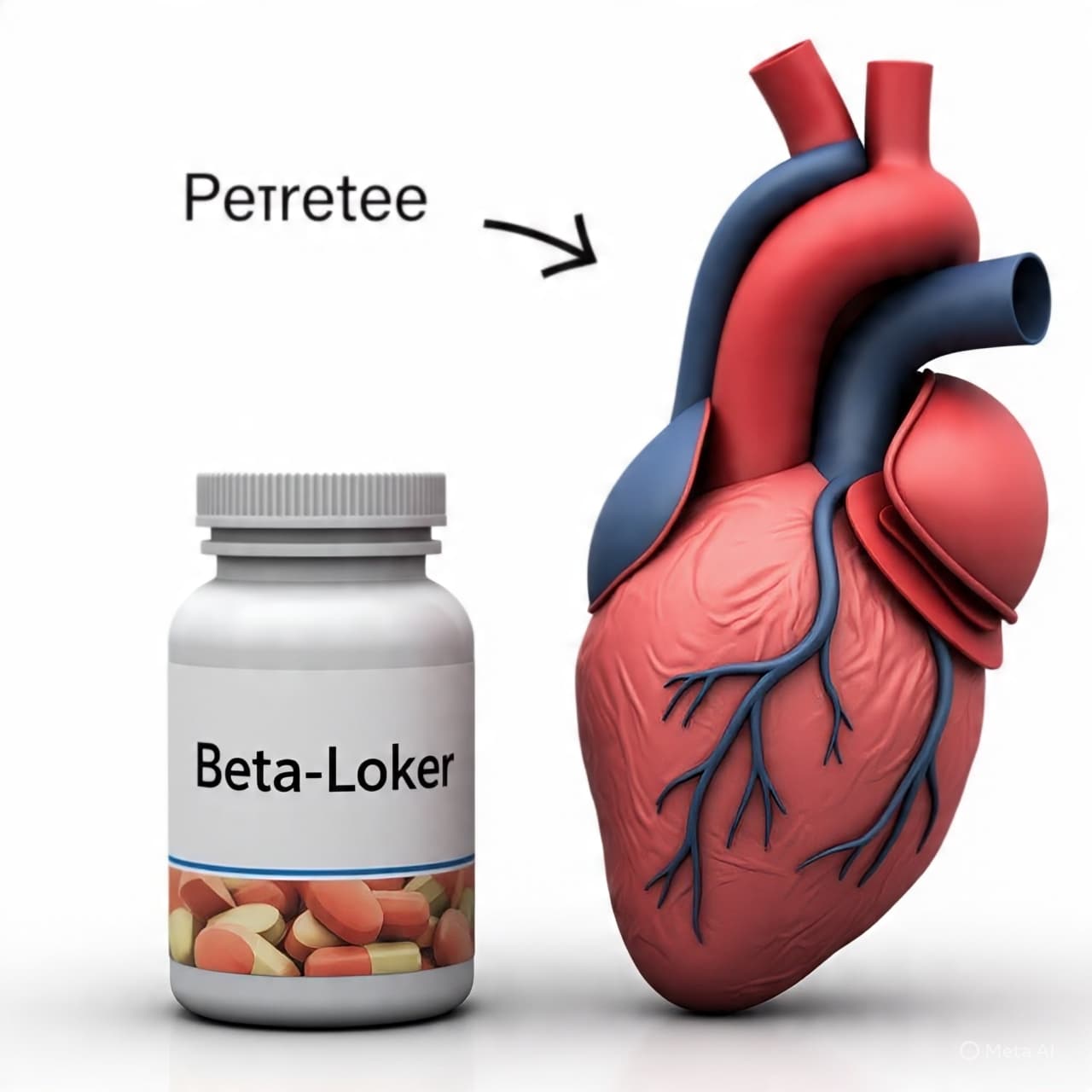
Some chapters in medicine are like old friends we invite to every gathering, not because we’ve checked the guest list carefully but because they’ve always been there. Beta-blockers after a heart attack have had that place in cardiology for decades — a quiet, familiar presence in the long aftermath of myocardial infarction. Yet, as the sun rises on newer treatments and nuanced understanding of heart function, this tradition is being gently questioned, inviting us to listen more closely to what the heart itself may be telling us.
In the modern era of heart attack care — where early revascularization, statins, ACE inhibitors, and vigilant lifestyle changes have dramatically altered patient outcomes — the story that once made beta-blockers essential is changing. Recent large-scale analyses of contemporary data reveal that in people whose hearts pump well — defined as a preserved left ventricular ejection fraction (EF of 50% or above) — routine beta-blocker therapy may not provide the protective benefit once assumed. When researchers pooled individual-level data from nearly 18,000 patients, those who received standard beta-blocker treatment after myocardial infarction did not experience lower rates of death, new heart attacks, or heart failure compared with those who did not take the drugs.
The nuance matters. For patients whose hearts are functioning normally after the acute event, the rhythm of recovery may already be well supported by other cornerstone therapies that address inflammation, cholesterol, and clotting. Beta-blockers, once vital in a different therapeutic era, appear no longer to change the course of major cardiovascular outcomes in this preserved-EF group. Some clinical reviews even suggest that long-term continuation of beta-blockers may offer no additional mortality benefit and, in certain analyses, could show neutral or potentially less favorable effects.
This isn’t to diminish the important role beta-blockers continue to play for many patients — especially those with reduced ejection fraction, heart failure symptoms, arrhythmias, or ongoing ischemia. But it does signal a shift in how cardiologists think about personalized therapy after a heart attack. The long-held axiom that one size fits all is giving way to a more tailored approach, where a person’s heart function guides decisions as thoughtfully as the date of their last event.
As the cardiology community integrates this evolving evidence into practice, conversations between clinicians and patients about the necessity and duration of beta-blocker therapy are becoming more individualized. Rather than a blanket recommendation for everyone, treatment may increasingly reflect a balance of data, heart function, and patient-specific goals.
In the gentle cadence of modern cardiovascular care, the question is no longer simply “Should we prescribe?” but “For whom, and for how long?” And as science continues to refine its answers, the prescription pad becomes a place of thoughtful dialogue rather than default instruction.
AI Image Disclaimer Visuals are created with AI tools and are not real photographs.
Sources Identified
Radcliffe Cardiology American College of Cardiology CNIC / New England Journal of Medicine Meta-Analysis PubMed clinical reviews/meta-analyses British / European Journal of Preventive Cardiology meta-analysis
Published by Banx Network. This article is part of the Banx decentralized media programme, powered by the BXE token on the XRP Ledger.