A shipping route can look like a simple line on a map, yet behind it lies an enormous network of ports, pipelines, warehouses, roads, railways, and businesses. When one part becomes uncertain, the rest of the network begins searching for alternatives.
That process is now unfolding across the Gulf. Disruptions around the Strait of Hormuz have encouraged regional governments to accelerate investment in alternative energy and trade routes, including pipelines and expanded port infrastructure.
The Strait is one of the world's most important energy corridors. A significant share of global oil flows through the waterway, meaning changes in shipping conditions can quickly influence crude prices, freight costs, and refinery operations.
Saudi Arabia has been developing routes that can move crude toward ports on the Red Sea, providing an alternative to maritime shipments through the Strait. Such infrastructure can become particularly valuable when shipping conditions are uncertain.
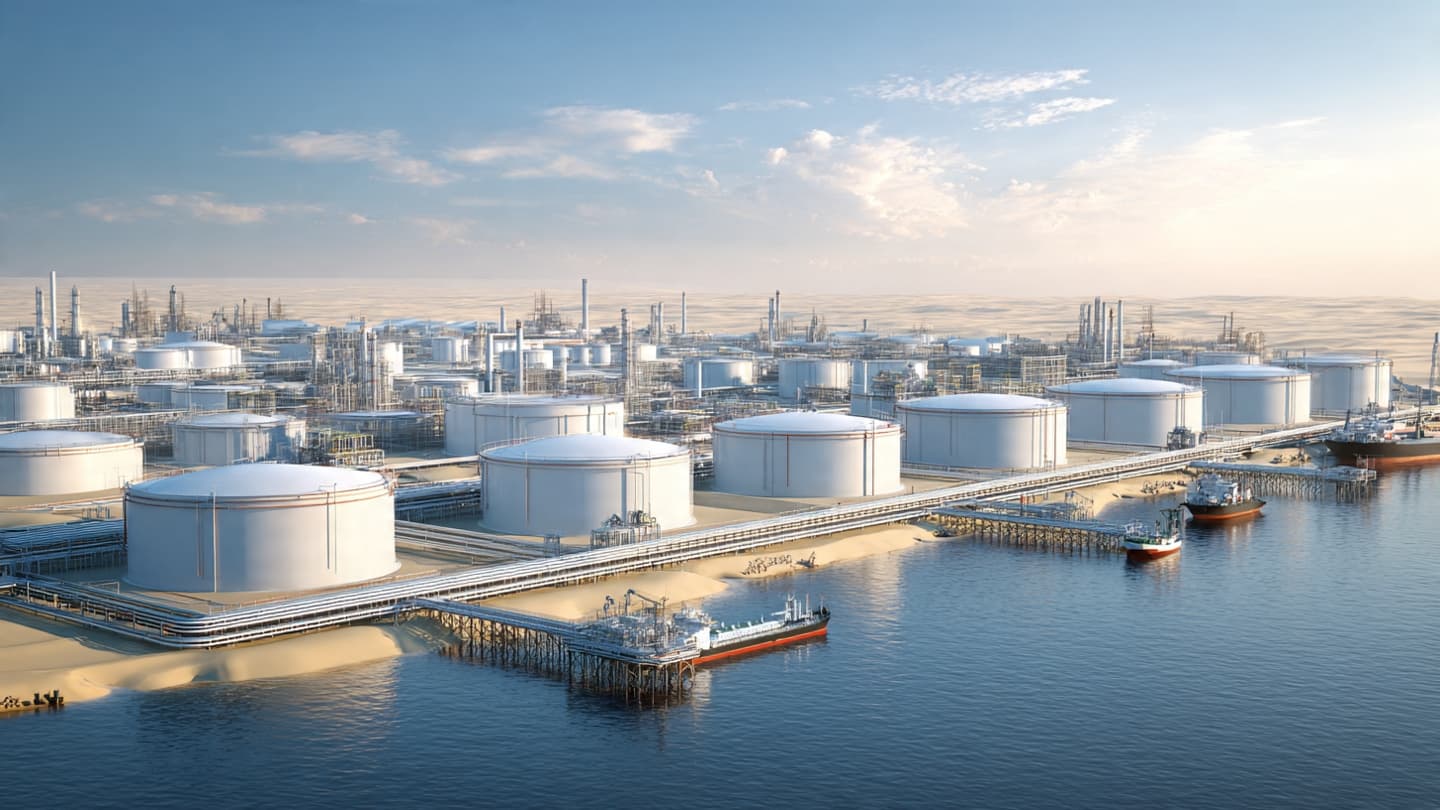
The United Arab Emirates has also developed significant port capacity outside the Strait. Fujairah, located on the Gulf of Oman, has become an important center for oil storage, shipping, and related services.
These investments are not entirely new. Gulf countries have spent years trying to diversify their logistics systems, partly because their economies depend heavily on reliable international trade.
Recent disruptions, however, have changed the pace of that development. Projects that once represented long-term strategic options can become immediate commercial necessities when shipping routes are disrupted.
Ports have an importance that extends beyond oil. They handle food, industrial equipment, consumer products, containers, and other goods that connect Gulf economies with international markets.
The expansion of alternative infrastructure can therefore reshape more than energy trade. Rail connections, inland container depots, storage facilities, and new port capacity can gradually create a broader network capable of moving goods through multiple corridors.
For businesses, diversification can provide greater flexibility. Companies are better able to redirect shipments when one route becomes expensive or difficult, although building and maintaining alternative infrastructure requires substantial investment.
Gulf sovereign wealth funds have an important role in that process because they can support large, long-term infrastructure projects. Ports, pipelines, logistics centers, and transport networks can become investments designed to serve regional commerce for decades.
The changes are gradually creating a different commercial geography around the Gulf. Instead of relying overwhelmingly on one maritime passage, the region is building additional connections between energy fields, ports, inland markets, and international trade routes.
As global energy markets continue to adjust, those alternative pathways may become increasingly important. The transformation is taking place through concrete, steel, pipelines, and harbor infrastructure, slowly changing how goods and energy move across one of the world's most important commercial regions.
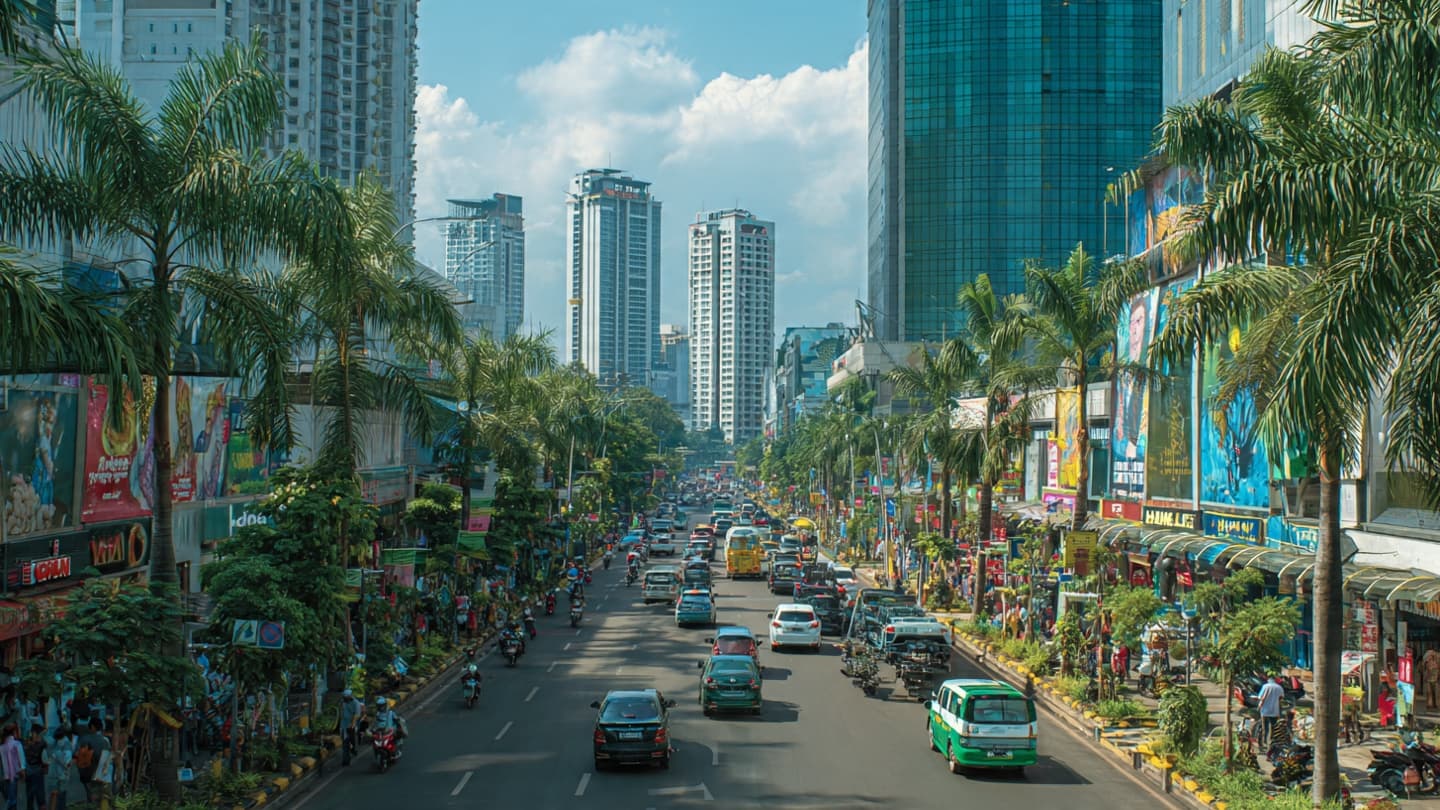
AI Image Disclaimer The accompanying visuals were generated with AI and serve as conceptual representations of Gulf transportation and energy infrastructure.
Sources Reuters International Energy Agency OPEC
Published by Banx Network. This article is part of the Banx decentralized media programme, powered by the BXE token on the XRP Ledger.