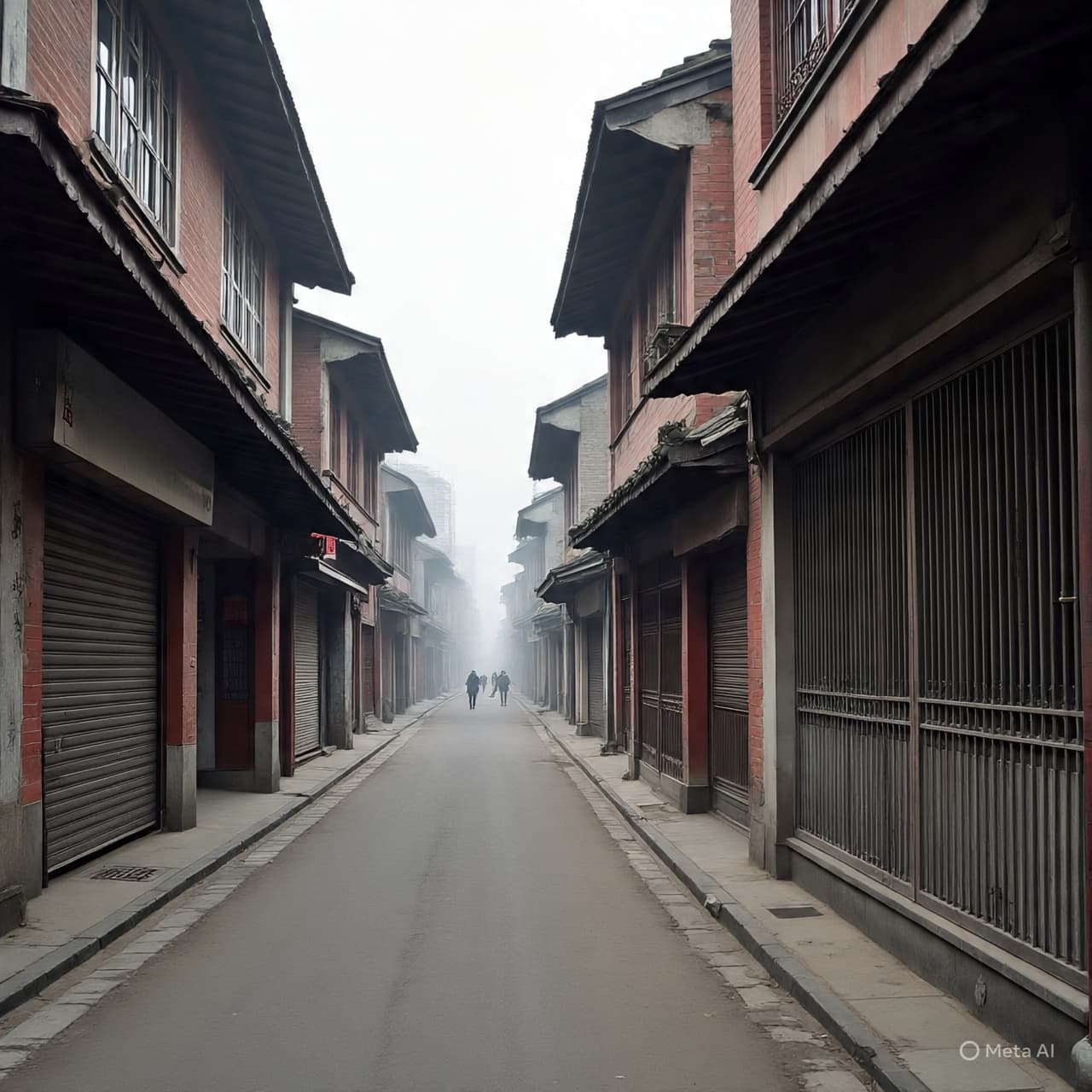
There are moments when an economy feels less like a machine and more like a landscape at rest. In parts of China, the streets still hum, trains arrive on time, and factory gates open as they always have. Yet beneath the surface, motion has softened. The sense is not of collapse, but of suspension—a long exhale after decades spent racing forward.
For years, growth in China carried the sound of constant construction: cranes swinging above skylines, apartment blocks rising in tight formation, exports flowing outward like a tide that rarely ebbed. That rhythm has slowed. Recent data point to weaker consumer spending, persistent stress in the property sector, and subdued private investment. Households, once confident in rising wealth, have grown more cautious, holding back on large purchases and saving against uncertainty rather than opportunity.
The property market remains central to this pause. Developers once synonymous with expansion have struggled under heavy debt, leaving unfinished projects and eroded trust among buyers. Home prices in many cities have failed to recover, and real estate—long a pillar of local government revenue and household wealth—no longer offers the same reassurance. The result has been a quiet pullback, not just in construction, but in confidence.
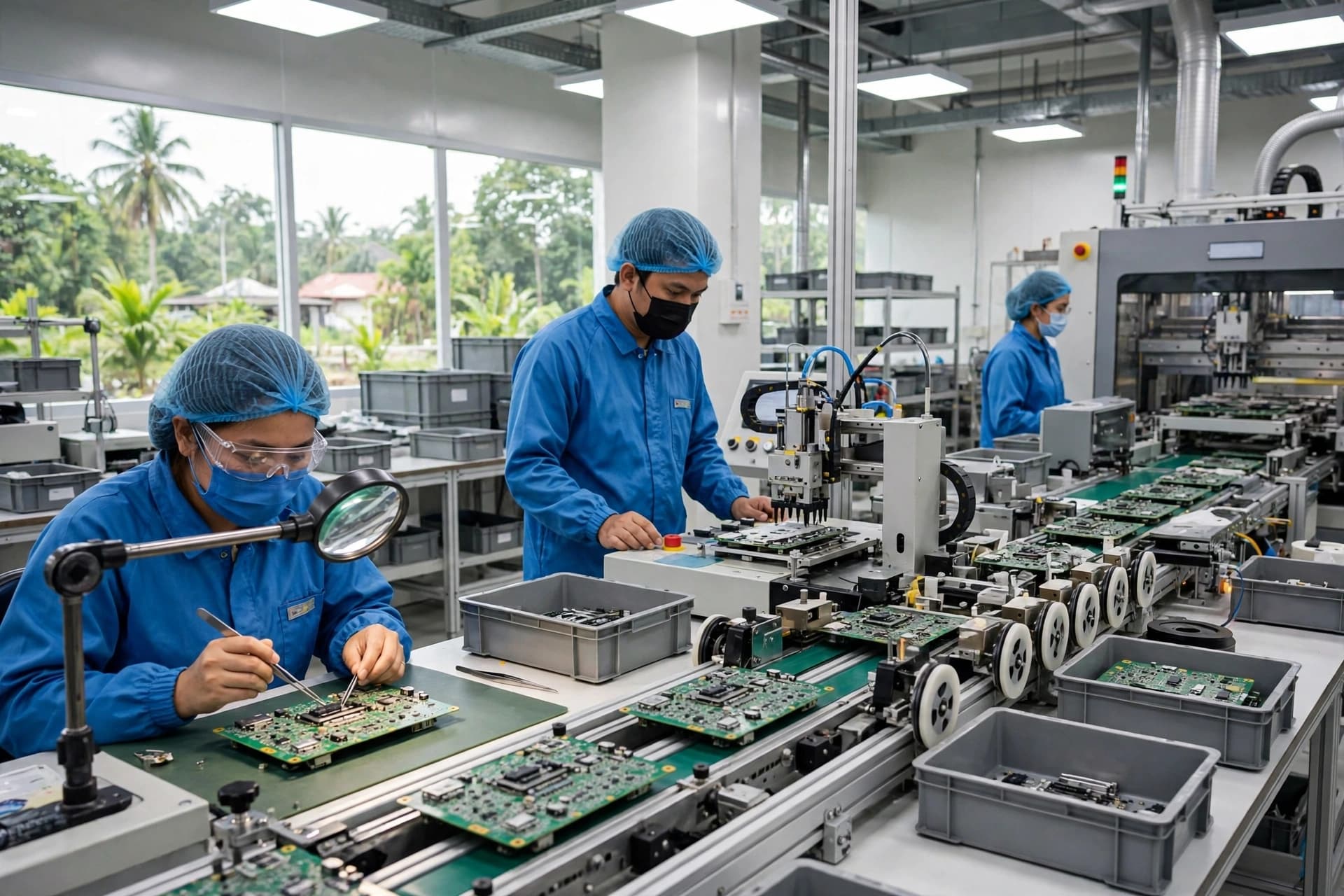
Beyond housing, China’s factories face a different kind of stillness. Global demand has softened, and trade frictions have added friction to export growth. Manufacturing output continues, but margins are thinner, orders less predictable. Small and medium-sized firms, in particular, have reported pressure from weak demand at home and abroad, even as larger state-backed enterprises retain relative stability.
Unemployment among young people has added another layer to the mood. Graduates enter a labor market that feels narrower than expected, where credentials no longer guarantee placement. For a generation raised during years of rapid expansion, this has reshaped expectations, encouraging restraint where optimism once prevailed.
Beijing has responded with targeted measures rather than sweeping stimulus. Interest rates have been trimmed cautiously, support offered to select sectors, and officials have emphasized “high-quality growth” over speed. The language suggests patience, an acceptance that the era of double-digit expansion has passed, replaced by something slower and more deliberate. Yet that transition has proven uneven, as households and businesses adjust to a future that feels less certain than the past.
Still, the picture is not uniformly dim. China retains vast industrial capacity, deep supply chains, and a central role in global manufacturing. Investment continues in advanced technologies, renewable energy, and infrastructure tied to longer-term strategic goals. What has changed is the tempo. Growth, once relentless, now moves with hesitation, shaped by caution rather than momentum.
As policymakers weigh their next steps, the challenge lies in restoring confidence without reviving old imbalances. The coming months will bring more data, more adjustments, and likely more debate about the path ahead. For now, China’s economy sits in a quieter phase—neither surging nor falling away—marked by waiting, recalibration, and the slow work of redefining what growth means after the rush has passed.
AI Image Disclaimer Illustrations were created using AI tools and are not real photographs.
Sources (Media Names Only) Reuters Bloomberg The Wall Street Journal Financial Times The Economist
Published by Banx Network. This article is part of the Banx decentralized media programme, powered by the BXE token on the XRP Ledger.