There are ideas that begin as seeds — small, hopeful, almost weightless. They are spoken over dinner tables or typed late at night into glowing screens. In one household, the ambition was gentle and practical: to design sustainable housing using the efficiency of artificial intelligence. It sounded modern, responsible, even visionary. A way to build homes that respected both people and planet.
Her husband saw in ChatGPT not merely a chatbot, but a collaborator. He believed that technology could help calculate energy loads, refine insulation strategies, compare materials, and even draft eco-conscious floor plans. Reports in The New York Times and Wired have often described how generative AI tools are increasingly being used for design brainstorming, cost estimation, and environmental modeling. For him, this was not abstract innovation — it was personal.
At first, the process felt productive. Evenings once reserved for idle scrolling became working sessions filled with prompts about passive solar design, rainwater harvesting systems, and low-carbon concrete alternatives. The responses arrived quickly, offering structured suggestions and organized data points. It felt like momentum.
But momentum can quietly shift into immersion.
As The Guardian and BBC have observed in broader discussions about AI adoption, tools designed for assistance can sometimes reshape routines in unexpected ways. What begins as efficiency can evolve into dependency — not through malice, but through convenience. For her husband, each new answer sparked another question. Each draft invited revision. The project expanded from a single home concept to entire eco-communities, zoning analyses, lifecycle carbon accounting, and policy comparisons.
The Washington Post has written about how generative AI can blur the boundary between work and personal life, especially when access is constant and frictionless. In this case, the sustainable housing vision became less of a side project and more of an ongoing pursuit. Late nights grew later. Conversations drifted back toward design iterations and optimization strategies.
To be clear, the tool itself remained what it was: a responsive system trained to generate text and structured information. It did not impose itself; it answered when asked. Yet the psychological pull of instant insight proved compelling. Sustainable housing — a field already rich with complexity — offered endless pathways for exploration. Energy modeling led to material science; material science led to supply chains; supply chains led to geopolitics.
Friends noticed the shift gradually. What had begun as an inspiring mission to reduce environmental impact began to feel like an all-encompassing framework through which every topic was filtered. Dinner talk turned technical. Vacations became opportunities to photograph building facades and analyze insulation techniques.
And still, the original intention remained sincere. The housing crisis and climate concerns are real and pressing. Across global media, including coverage from BBC and The New York Times, sustainable design is increasingly portrayed as both necessity and opportunity. AI tools are frequently cited as accelerators for innovation in architecture and construction.
In the end, this is less a story about technology taking over and more about how ambition can expand when paired with powerful tools. Her husband continues to refine his concepts, though with a more deliberate balance. The couple has since set clearer boundaries around work time and screen time, acknowledging that inspiration benefits from pause as much as from productivity.
The broader conversation around AI and sustainable development continues. Experts emphasize that while generative tools can assist with modeling, drafting, and research synthesis, human judgment remains essential in translating concepts into safe, livable, and community-centered housing.
For now, the sustainable housing designs remain digital — evolving documents shaped by prompts and revisions. Whether they will become physical structures is still uncertain. What is certain is that the intersection of environmental urgency and artificial intelligence will continue to shape both professional fields and personal lives in the years ahead.
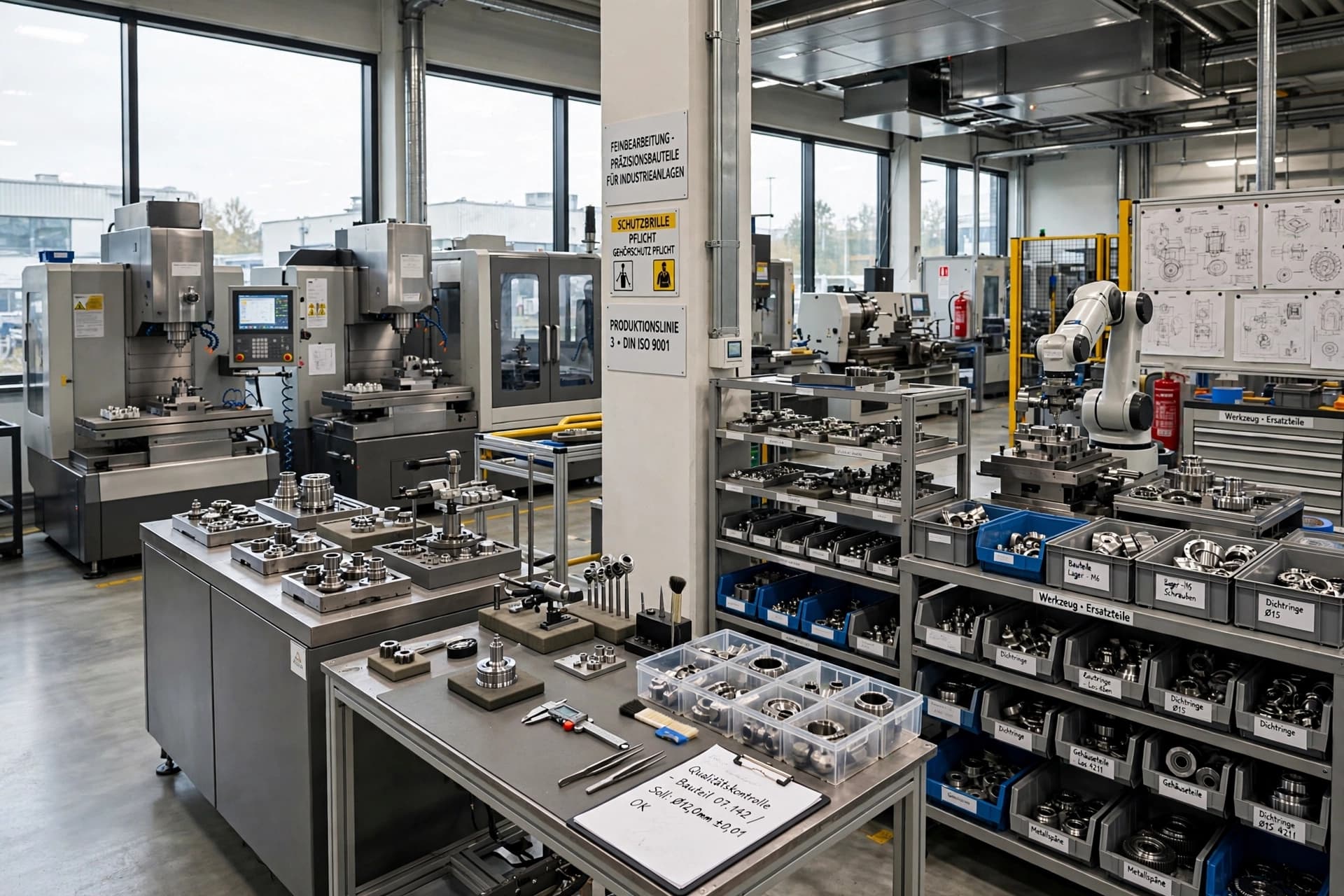
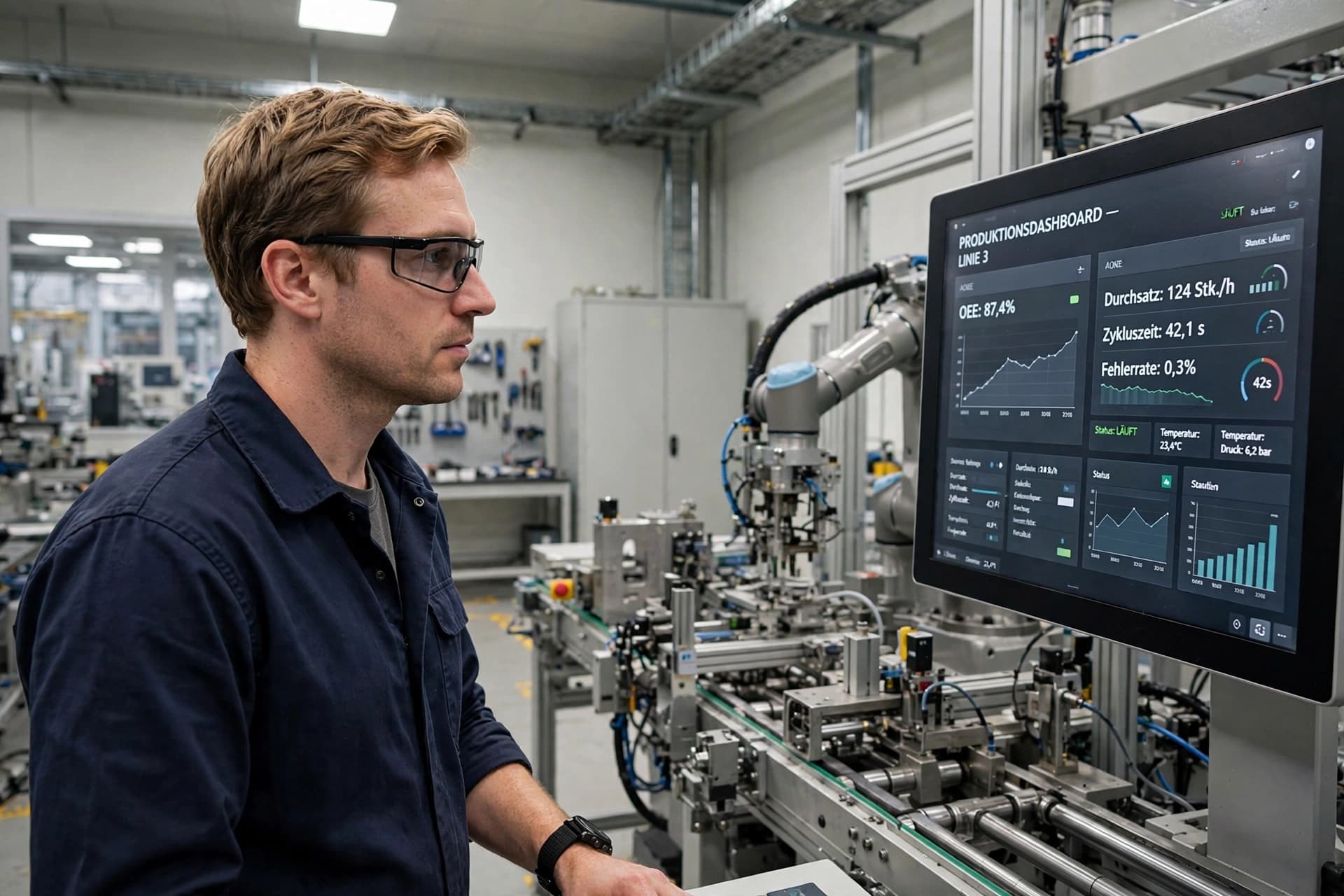
AI Image Disclaimer Graphics are AI-generated and intended for representation, not reality.
Sources: The New York Times The Guardian BBC Wired The Washington Post
Published by Banx Network. This article is part of the Banx decentralized media programme, powered by the BXE token on the XRP Ledger.