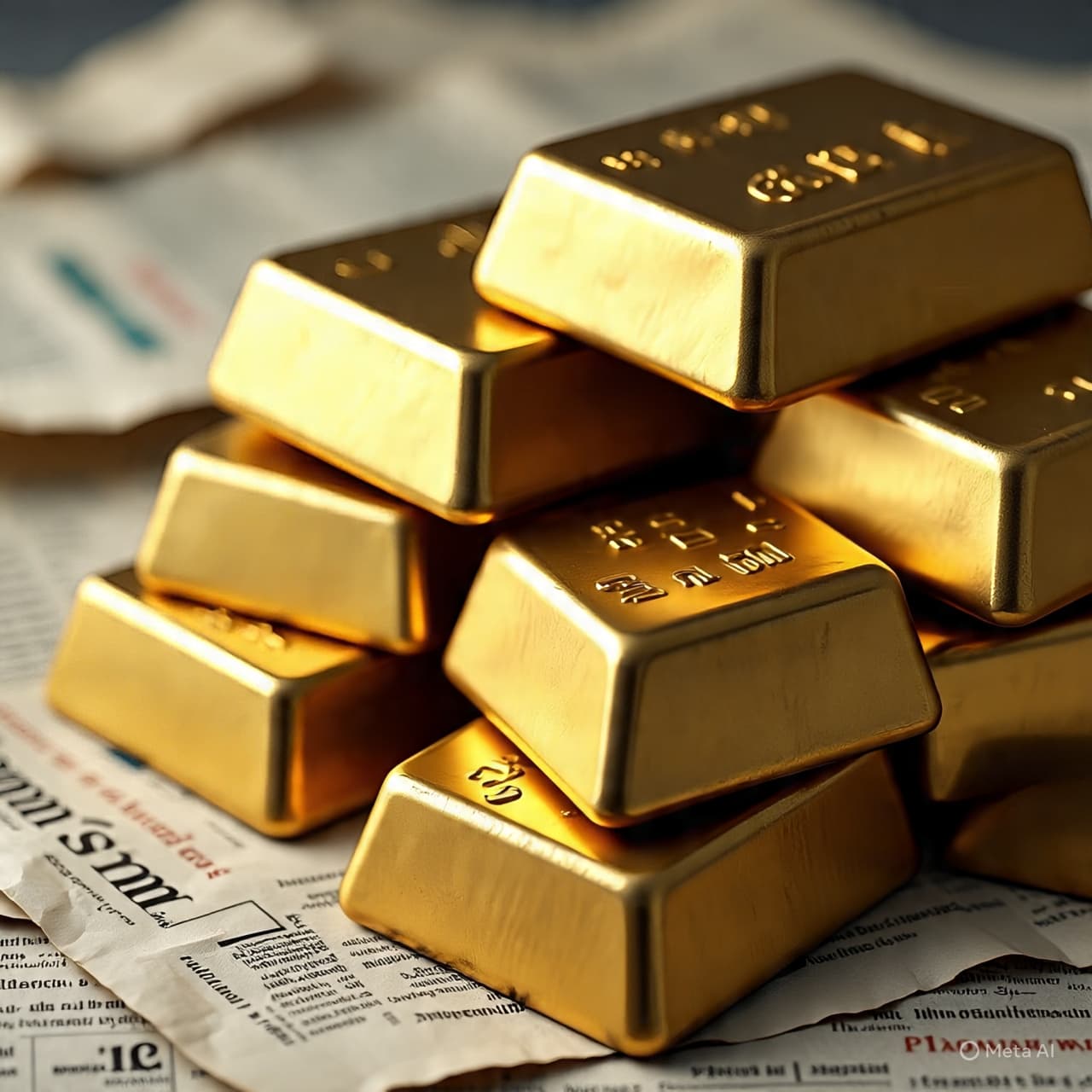
Gold sitting calmly around $4,000 sounds like a contradiction. This year has been emotional — wars, elections, sanctions, tariff rhetoric, rate resets. Normally each of those inputs would ripple through the metal. Yet the market has arrived at this strange composure: a steady price right after China dialed back certain tax incentives on gold purchases.
This is where the narrative gets more subtle. China is one of the world’s most significant retail gold demand engines. Tax changes are not a technical footnote. They are a signal to households, to jewelers, to traders. And yet — gold barely moved. Analysts see this as a quiet, almost philosophical moment: the metal is now pricing global anxiety more than any single jurisdiction’s policy.
There is a second layer here. Investors are starting to price gold less as a commodity, and more like a long-duration insurance product. It is not about quarterly signals anymore. It is about structural uncertainty. So when Beijing tweaks tax posture, the market listens, but does not panic. The instrument behaves like something above the noise.
### AI Image Disclaimer
Graphics are AI-generated and intended for representation, not reality.
### Sources
Reuters Bloomberg Financial Times Wall Street Journal
Published by Banx Network. This article is part of the Banx decentralized media programme, powered by the BXE token on the XRP Ledger.