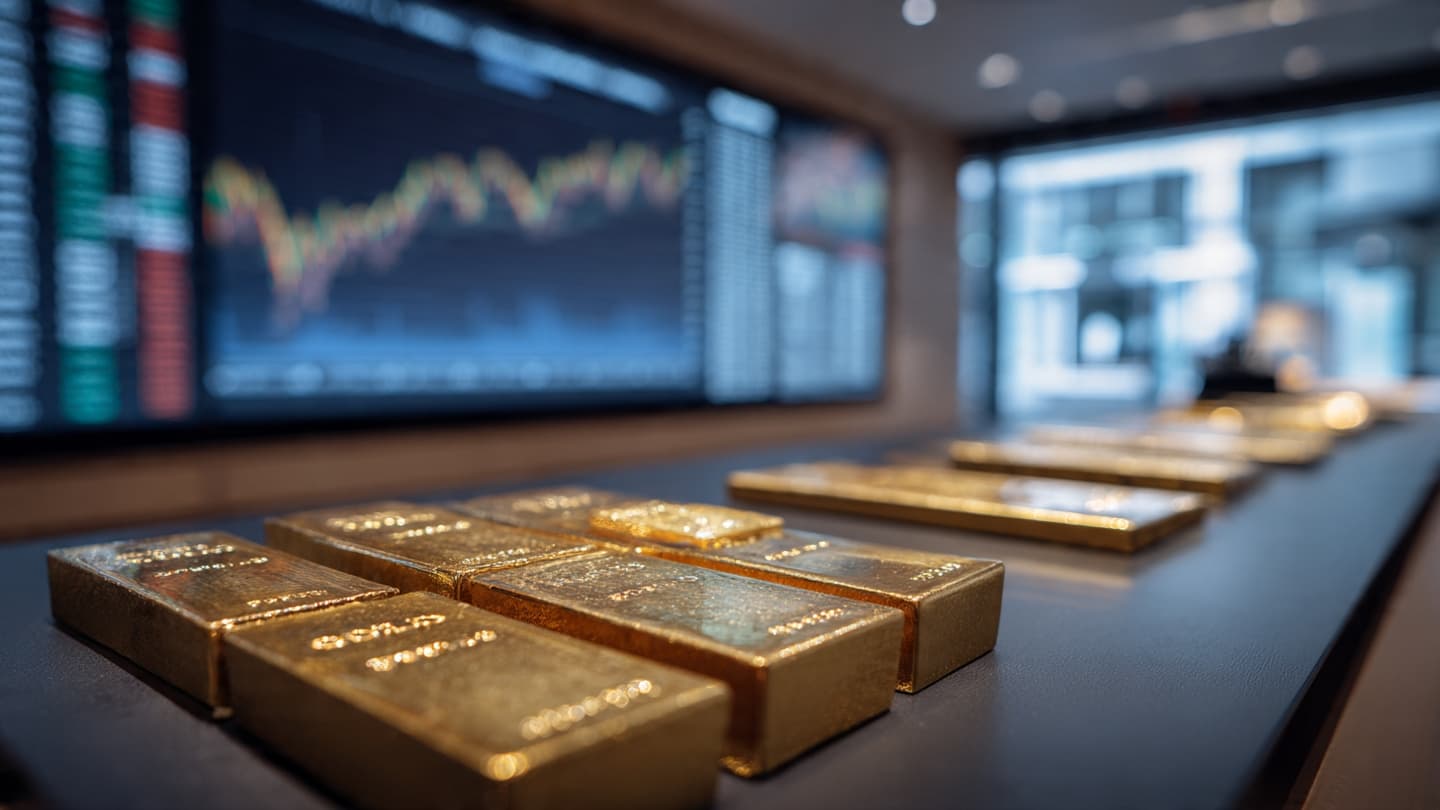
Gold has always carried a particular weight in Indonesia. It can rest quietly inside a safe, pass from one generation to another, or appear in a small display case at a jewelry shop. Now, some of that same metal is beginning to move through another landscape: the stock exchange.
Indonesia launched its first exchange-traded funds backed by physical gold on August 10 at the Indonesia Stock Exchange in Jakarta. The initiative is intended to strengthen the country's bullion ecosystem while giving investors another way to gain exposure to the precious metal.
The arrival of the products marks a change in how gold can be approached by investors. Rather than purchasing and storing physical bars directly, investors can obtain exposure through a financial product traded on the exchange. The underlying gold remains part of the structure, connecting a traditional store of value with the mechanisms of modern capital markets.
Indonesia has substantial reasons to pay attention to that connection. The country holds an estimated 2,600 tonnes of gold reserves, making it the world's sixth-largest holder of gold reserves, according to The Jakarta Post. The metal therefore occupies a place not only in household savings but also in the country's broader financial and economic landscape.
At the launch, Deputy Finance Minister Juda Agung described the ETF as part of ongoing efforts to deepen Indonesia's capital market. The authorities also pointed to growing global interest in gold ETFs, noting that worldwide assets under management in such products reached $559 billion in 2025, backed by about 4,025 tonnes of physical gold.
There is something almost poetic about the transition. Gold itself does not change when it moves from a physical bar into an exchange-traded structure. What changes is the way people can reach it. A material that once required physical possession can now become part of a portfolio managed through a screen, alongside shares, bonds, and other financial instruments.
The development also fits into a broader effort to connect Indonesia's bullion market with the financial system. Officials have described the ETF as a possible bridge between the capital market and the bullion ecosystem, with the aim of giving the public more investment alternatives.
For investors, the significance lies partly in convenience. Physical gold can involve storage, security, transportation, and differences between buying and selling prices. An exchange-traded structure approaches the metal differently, allowing investors to participate through the market infrastructure rather than handling the underlying bars themselves.
The change comes at a time when gold has attracted considerable attention internationally. Rising demand has encouraged financial institutions and exchanges around the world to develop easier ways for investors to gain exposure to the precious metal. Indonesia's new products place the country within that broader movement while adapting it to its own financial market.
For now, the first gold ETFs represent less a departure from Indonesia's long relationship with gold than another expression of it. The metal remains the same, but its journey has gained another route—from vaults and bullion markets to trading screens, where an older form of wealth meets the architecture of modern finance.
AI Image Disclaimer The visuals accompanying this article are AI-generated conceptual representations and are not photographs of the actual ETF launch.
Sources The Jakarta Post — Indonesia launches first gold ETF to expand bullion market — August 11, 2026. Indonesia Stock Exchange (IDX) — Launch information for Indonesia's first physically backed gold ETFs — August 10, 2026.
Published by Banx Network. This article is part of the Banx decentralized media programme, powered by the BXE token on the XRP Ledger.