
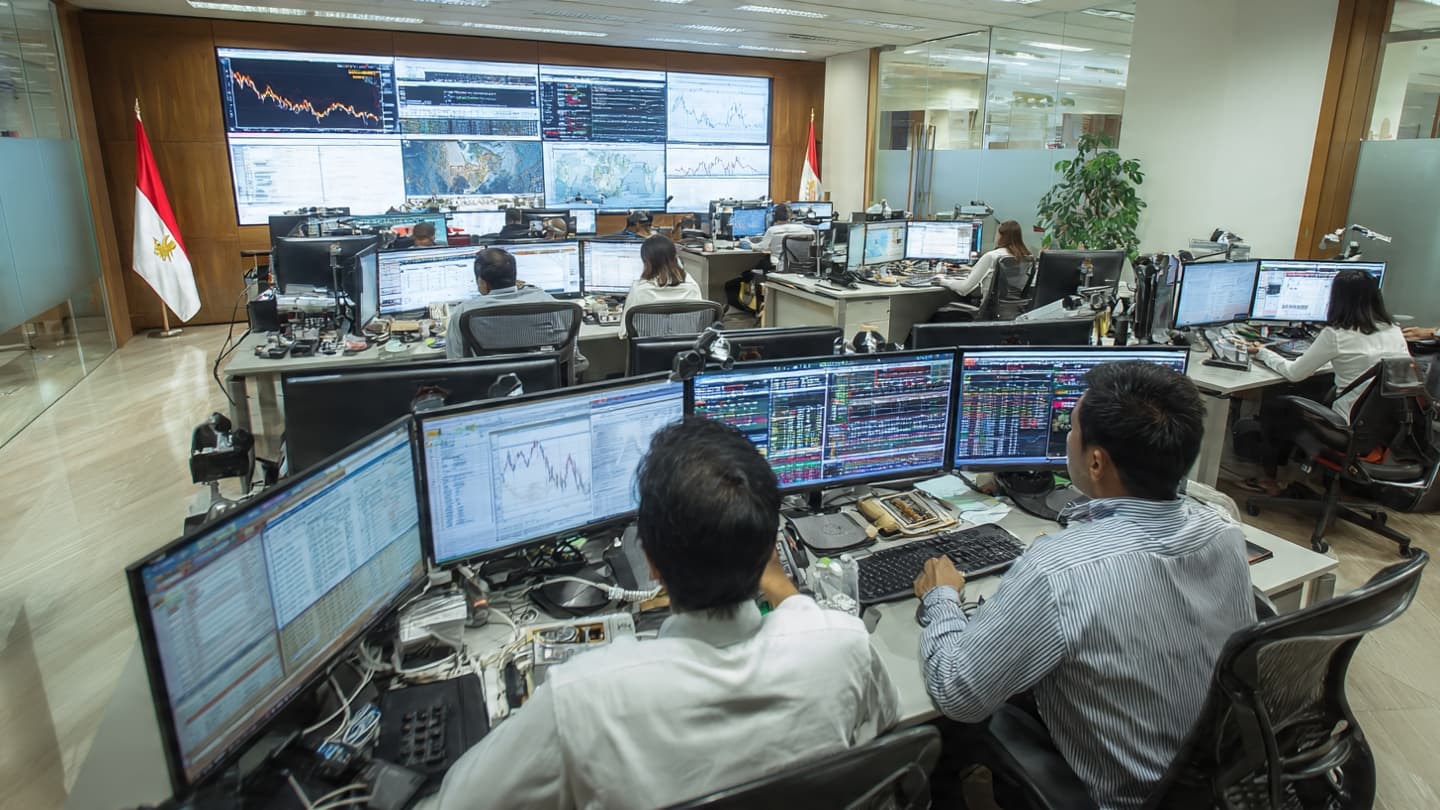
Financial markets often resemble a vast ocean where movements in one region can influence conditions thousands of miles away. A policy decision in a major economy, a geopolitical development, or a shift in investor sentiment can send waves across currencies and capital markets worldwide. Indonesia is currently navigating such conditions as global uncertainty continues to influence exchange rate dynamics.
The Indonesian rupiah has faced pressure amid evolving international economic conditions. Market participants are closely monitoring developments ranging from monetary policy decisions in major economies to geopolitical events affecting global investor confidence.
Bank Indonesia remains focused on maintaining currency stability while supporting broader economic growth. The central bank has emphasized a range of policy tools designed to manage volatility and preserve confidence in financial markets.
Exchange rates play a significant role in economic activity. Currency movements can affect import costs, export competitiveness, inflation trends, and business planning, making stability an important objective for policymakers.
Global investors are paying particular attention to interest rate expectations in major economies. Changes in international borrowing costs often influence capital flows, especially in emerging markets where investors evaluate both risks and opportunities.
Despite external pressures, Indonesia continues to benefit from several economic strengths. Domestic consumption, investment activity, and resource exports remain important contributors to economic performance and resilience.
Economists note that exchange rate fluctuations are not unusual during periods of international uncertainty. What often matters most is the ability of institutions to respond effectively and maintain confidence among businesses, consumers, and investors.
Government agencies and financial authorities continue to coordinate efforts aimed at supporting economic stability. Measures related to monetary policy, fiscal management, and market oversight remain key components of that strategy.
As global conditions evolve, Indonesia's experience highlights the interconnected nature of modern economies. While external developments may influence financial markets, policymakers remain focused on preserving stability and supporting sustainable growth.
AI Image Disclaimer: This article features AI-generated illustrative imagery intended to provide visual context and does not represent actual events.
Sources (Verification Check): Reuters, Bank Indonesia, Bloomberg, CNBC Indonesia
Published by Banx Network. This article is part of the Banx decentralized media programme, powered by the BXE token on the XRP Ledger.

.jpg&w=3840&q=75 "US Declares Drought Disaster for Parts of Puerto Rico as Dry Conditions Persist")
