Above the familiar rhythm of weather and clouds lies another layer of human activity, one that rarely draws attention until fragments begin their return journey downward. Space, once imagined as boundless and clean, is now increasingly marked by remnants of technological progress.
Scientists and space agencies have raised ongoing concerns about the accumulation of orbital debris, which includes defunct satellites, spent rocket stages, and fragments from past collisions. As Earth’s orbital environment becomes more crowded, the likelihood of uncontrolled reentries and collision events increases.
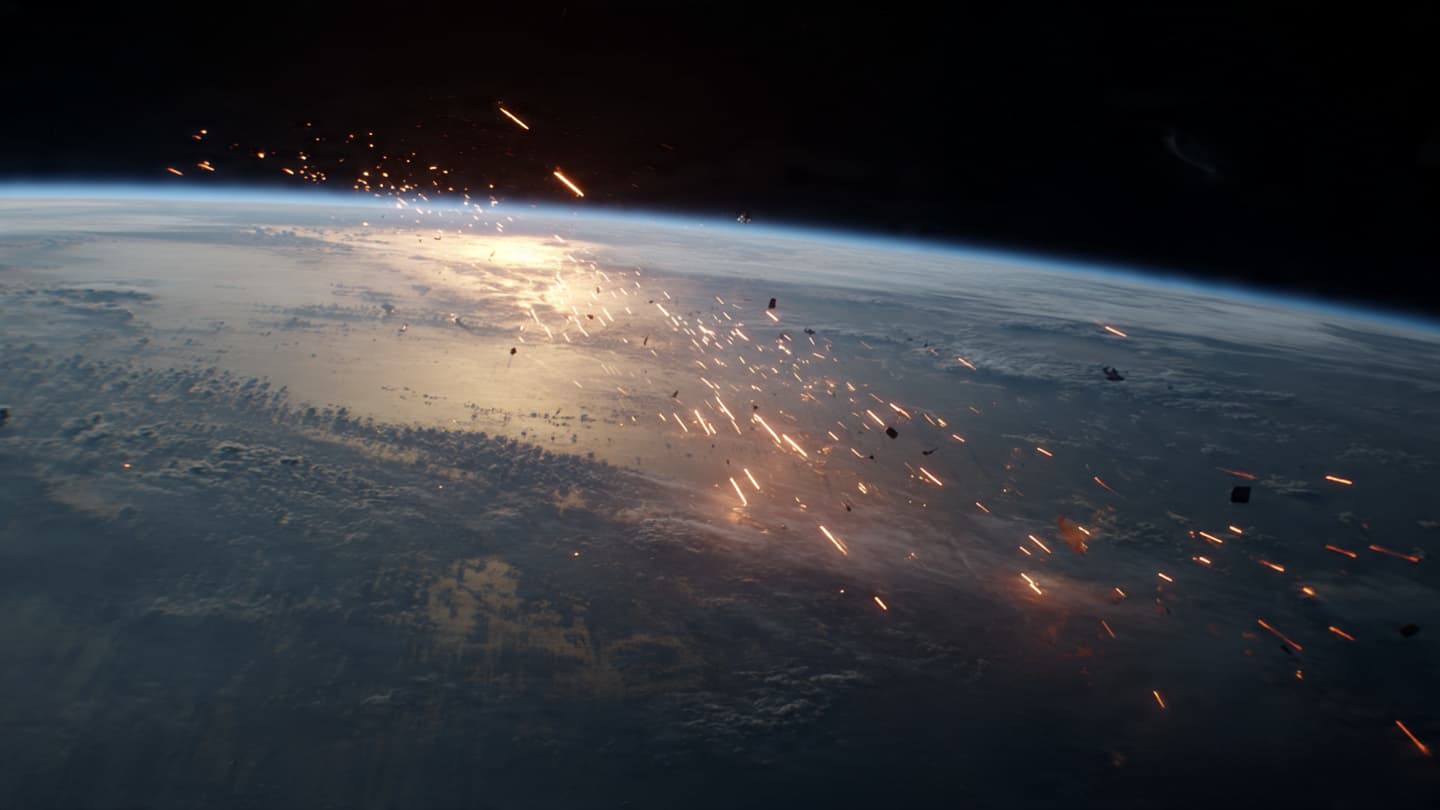
Most debris burns up upon reentry, but not all materials fully disintegrate before reaching lower altitudes. This has led to careful monitoring by agencies such as NASA and ESA, which track thousands of objects to assess potential risks to both space operations and ground safety.
One of the central challenges is the speed at which objects travel in orbit. Even small fragments can carry significant kinetic energy, making collisions in space particularly hazardous for active satellites and crewed missions.
Researchers also point to the growing “cascade risk” scenario, where one collision generates additional debris, potentially increasing the likelihood of further impacts. This concept is often discussed in relation to long-term orbital sustainability.
International organizations have emphasized the importance of mitigation strategies, including improved satellite design, controlled deorbiting practices, and coordinated space traffic management. These efforts aim to reduce the accumulation of long-lived debris in key orbital regions.
At the same time, the expansion of satellite deployment continues, reflecting the growing demand for communication, navigation, and Earth observation services. This dual reality—expansion and risk—defines much of the current conversation around orbital safety.
While the likelihood of debris causing direct harm on Earth remains relatively low, scientists continue to monitor the situation closely as orbital congestion and reentry events become more frequent.
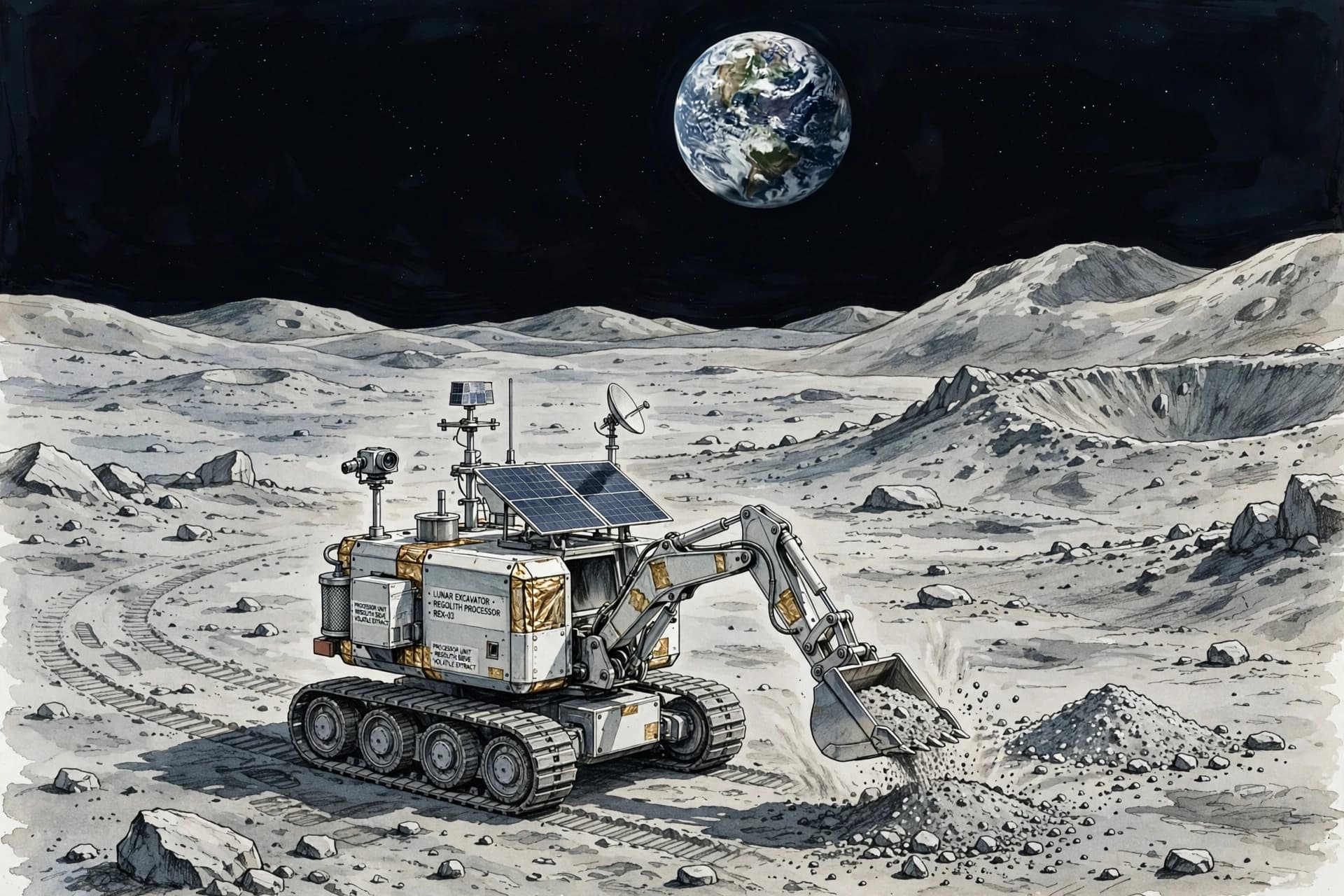
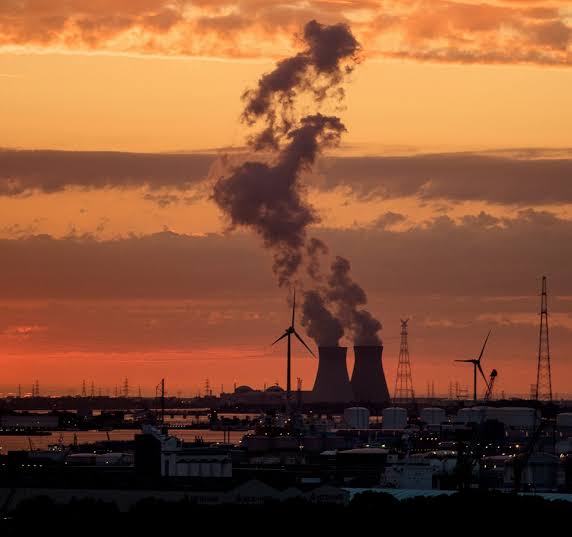
AI Image Disclaimer Visuals used for this topic are AI-generated and intended to represent conceptual scenarios of orbital debris and atmospheric reentry.
Source Verification Check NASA, ESA, United Nations Office for Outer Space Affairs, Nature, Scientific American, The Conversation
Published by Banx Network. This article is part of the Banx decentralized media programme, powered by the BXE token on the XRP Ledger.