Scientific understanding often advances like a long conversation, shaped by observation, evidence, and careful interpretation. Yet within that dialogue, moments arise when data is taken out of context, leading to conclusions that diverge from the broader body of knowledge.
Recent claims circulating among some skeptics suggest that the age of trees uncovered by retreating glaciers contradicts the evidence for global warming. However, scientists have clarified that such interpretations do not align with established climate research.
Glaciers naturally advance and retreat over time, influenced by a combination of temperature, precipitation, and regional conditions. The presence of ancient trees beneath ice can indicate periods in the past when those areas were not glaciated.
Researchers note that these findings are consistent with long-term climate variability, rather than evidence against current warming trends. In fact, the exposure of preserved organic material is often made possible by the recent retreat of ice.
Climate science relies on multiple lines of evidence, including temperature records, ice cores, and atmospheric measurements. Together, these data sets provide a comprehensive picture of ongoing global warming.
Misinterpretations can arise when isolated observations are considered without broader context. Scientists emphasize the importance of examining findings within the full scope of available research.
Efforts to communicate climate science clearly remain an ongoing priority. Accurate understanding supports informed decision-making and helps bridge gaps between research and public perception.
The discussion also reflects the challenges of navigating complex scientific topics in public discourse. Simplified narratives can sometimes obscure the nuances that define scientific conclusions.
As evidence continues to accumulate, the scientific consensus on global warming remains grounded in a wide and consistent body of research, offering a clear framework for understanding changes in the Earth’s climate.
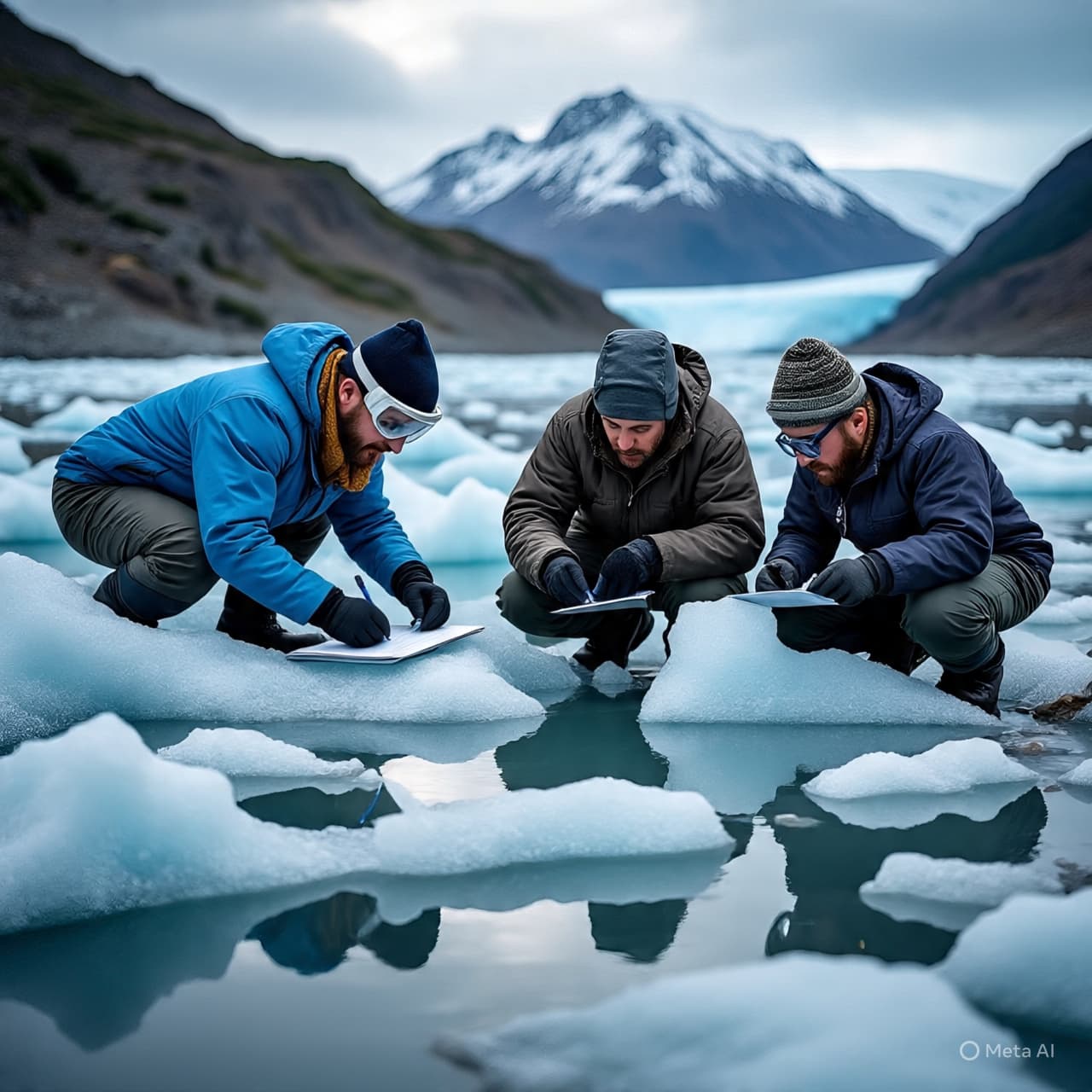
AI Image Disclaimer: The images in this article are AI-generated to depict general glacier and environmental scenes.
Sources: NASA, National Geographic, Scientific American
Published by Banx Network. This article is part of the Banx decentralized media programme, powered by the BXE token on the XRP Ledger.