
There are places where time seems to settle gently, where daily life unfolds in familiar rhythms, and where the landscape carries memory as quietly as dust. Yet sometimes, that quiet is interrupted—not all at once, but in fragments—until the ordinary begins to feel uncertain, and the familiar edges of life begin to blur.
In parts of the , such a shift is being described not in sudden headlines alone, but in the gradual accumulation of fear. Residents in several Palestinian communities have been voicing concern over what they describe as a noticeable rise in settler-related violence, an unease that stretches across villages and roads once traveled with routine.
Accounts from local communities suggest a pattern that is becoming harder to ignore. Incidents involving property damage, confrontations, and, in some cases, physical harm have been reported with increasing frequency. For those living closest to these flashpoints, the sense of unpredictability has begun to shape daily decisions—when to travel, where to walk, and how to move through spaces that once felt known.
The context surrounding these developments is layered. The West Bank has long been a site of complex and often tense coexistence, where political, historical, and security dimensions intersect. In recent months, however, observers—including humanitarian groups and international monitors—have noted what appears to be an escalation in incidents involving Israeli settlers and Palestinian residents.
Israeli authorities have acknowledged some of these incidents and, in certain cases, have indicated that investigations are underway. At the same time, Palestinian officials and advocacy organizations argue that accountability remains inconsistent, contributing to a perception that such acts may continue without sufficient deterrence.
For many families, the impact is not measured solely in numbers, but in the quiet adjustments of everyday life. Farmers may hesitate before tending to fields that lie near contested areas. Parents may weigh the risks of sending children along certain routes. These are not dramatic shifts at first glance, but they accumulate, shaping a broader sense of vulnerability.
The language used by residents reflects this change. Phrases like “there’s no safety anymore” are less a statement of a single event than an expression of an ongoing condition. It speaks to a feeling that the boundaries between conflict and daily life are becoming less distinct, more porous.
International reactions have begun to emerge as well. Some governments and organizations have expressed concern over the reported increase in violence, calling for restraint and the protection of civilians. These statements, while measured, point to a recognition that the situation carries implications beyond its immediate geography.
At the same time, the broader regional context continues to influence developments on the ground. Tensions elsewhere in the Middle East, coupled with longstanding political dynamics, create an environment where local incidents can resonate more widely.
Yet even within this complexity, there remains a focus on the immediate—on homes, roads, and communities. The story is not only about policy or diplomacy, but about how individuals navigate a landscape where certainty feels diminished.
For now, reports of increased settler violence in the West Bank continue to draw attention from media and international observers, as authorities review incidents and communities respond to changing conditions, with calls for calm and accountability remaining part of the ongoing conversation.
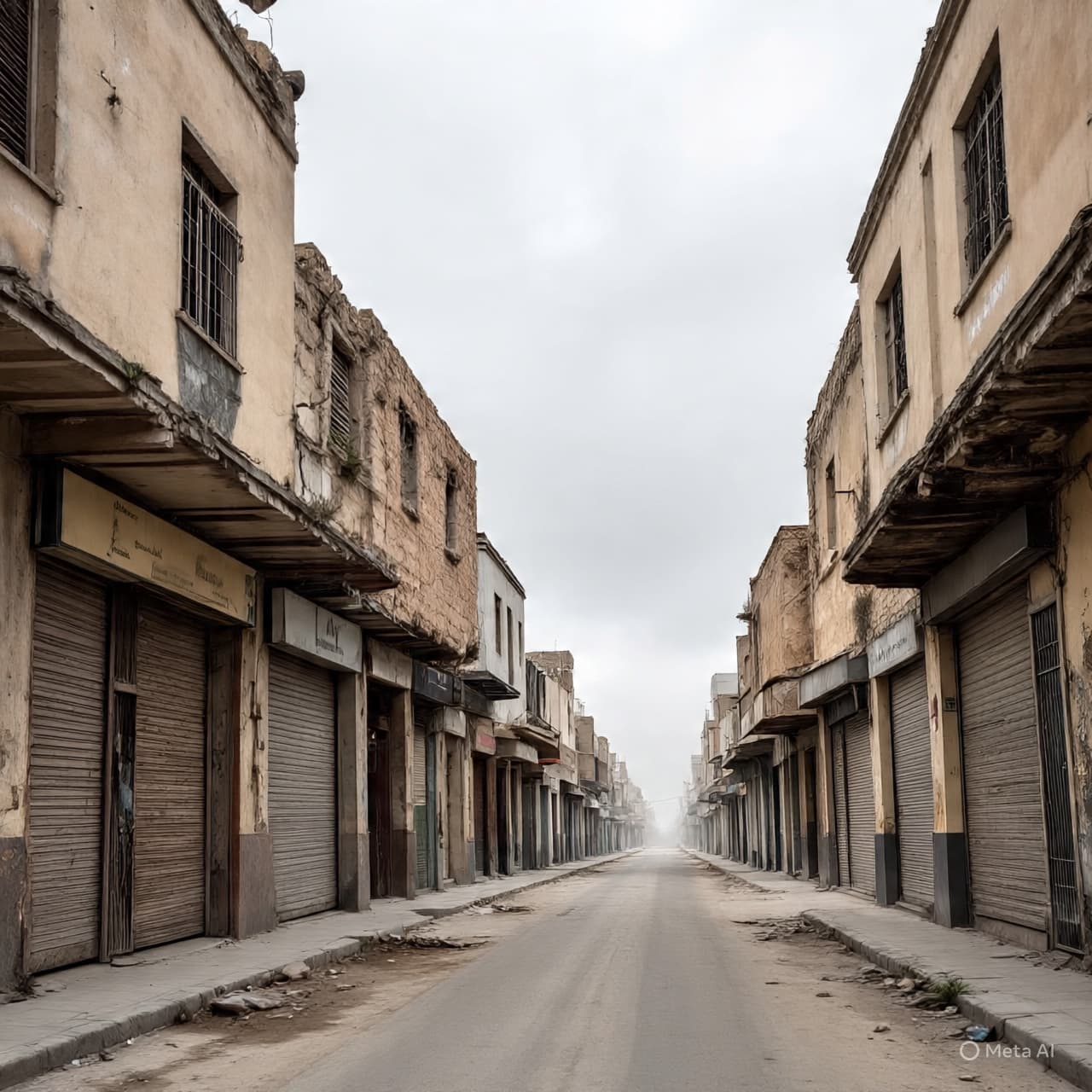
AI Image Disclaimer Visuals are created with AI tools and are not real photographs.
Source Check Credible coverage of this development exists. Key outlets reporting on it include:
BBC News Al Jazeera Reuters The New York Times The Guardian
Published by Banx Network. This article is part of the Banx decentralized media programme, powered by the BXE token on the XRP Ledger.


