The shape of mobility is changing quietly. Beneath the familiar movement of cars and trucks across Thailand's highways, another transition is taking place inside factories, where batteries, electric motors, software, and new production systems are becoming increasingly important.
Thailand has positioned itself as one of Southeast Asia's important automotive manufacturing centers, and the rise of electric vehicles is adding a new dimension to that role. International automakers are expanding their presence while suppliers adjust to the technological requirements of electrified transportation.
The transition is significant because automotive manufacturing is much larger than the assembly of a vehicle. It involves thousands of suppliers producing components, logistics companies moving materials, engineers developing systems, and workers operating increasingly sophisticated production equipment.
Electric vehicles alter that network. Batteries and power electronics become central components, while traditional engine and transmission systems become less dominant. Suppliers that once specialized in mechanical parts are therefore facing a changing market in which electrical and software capabilities carry greater importance.
Thailand's investment authorities have encouraged this transition by offering incentives for electric-vehicle manufacturing and related industries. The objective is to strengthen the country's position within an automotive market that is increasingly shaped by electrification and digital technology.
Chinese automakers have also become increasingly visible in Thailand's electric-vehicle market, bringing new investment and production capabilities. Their presence has contributed to stronger competition and has encouraged established manufacturers to accelerate their own technology strategies.
Japanese manufacturers are responding as well. Mitsubishi Motors, for example, has announced plans to invest 16 billion baht in Thailand through 2030, with part of the investment connected to electric-vehicle technology and production. (reuters.com)
The transition also creates opportunities for local suppliers. Companies capable of producing batteries, electronic systems, charging equipment, sensors, and other components can become part of a growing regional supply chain.
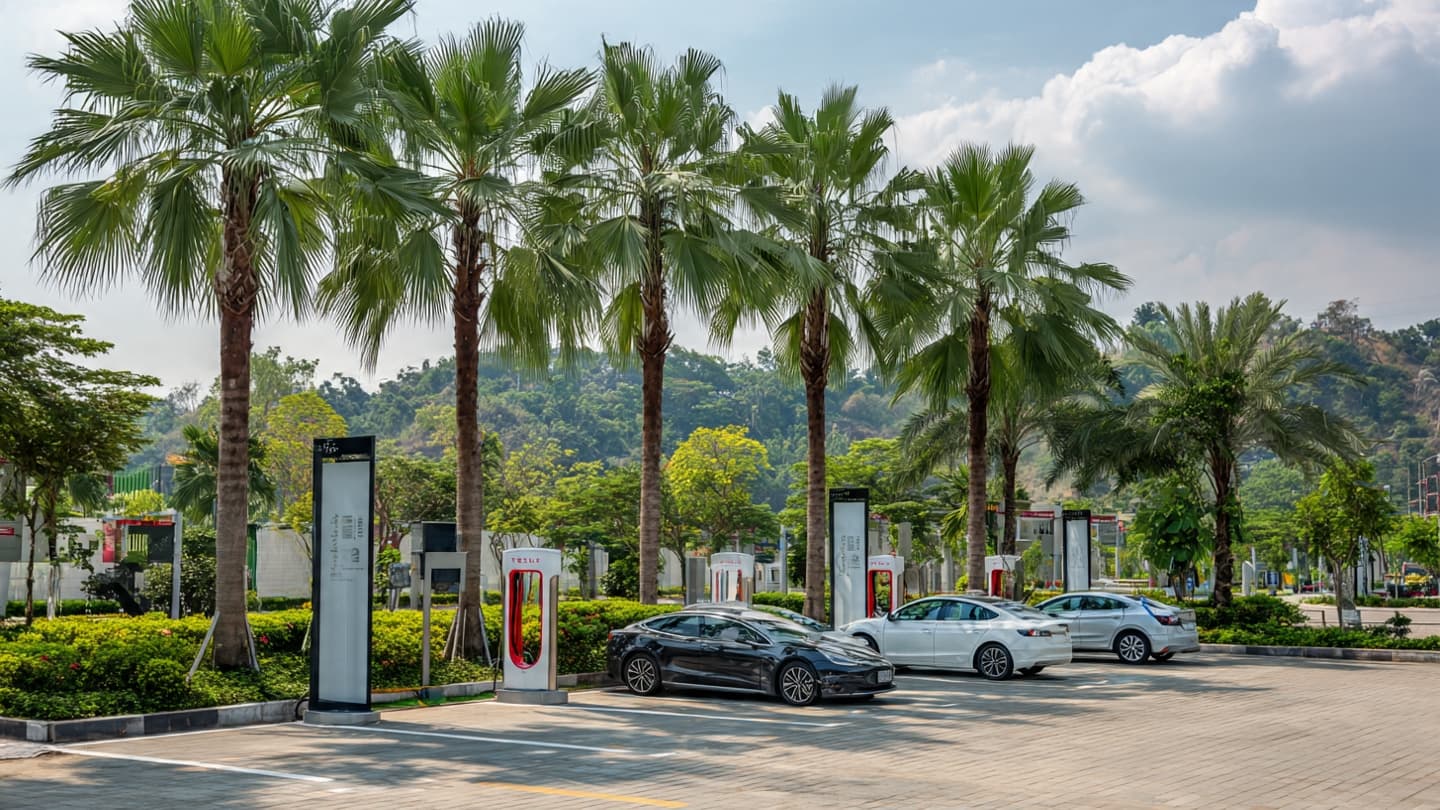
Infrastructure remains another piece of the picture. Electric vehicles require charging networks and reliable electricity, meaning the transition reaches beyond factories into cities, commercial areas, highways, and residential developments.
For Thailand, the electric-vehicle transition is therefore both an industrial and technological transformation. The country's established manufacturing base provides a foundation, while new investment is gradually changing the components, skills, and infrastructure that support the vehicles moving through its roads.
The road ahead will likely contain both familiar and new technologies. Conventional vehicles will remain part of the market while electric models expand, allowing manufacturers, suppliers, consumers, and infrastructure providers to adjust over time. Thailand's automotive industry is moving through that transition now, with investment and technology reshaping the country's role in the regional electric-mobility landscape.
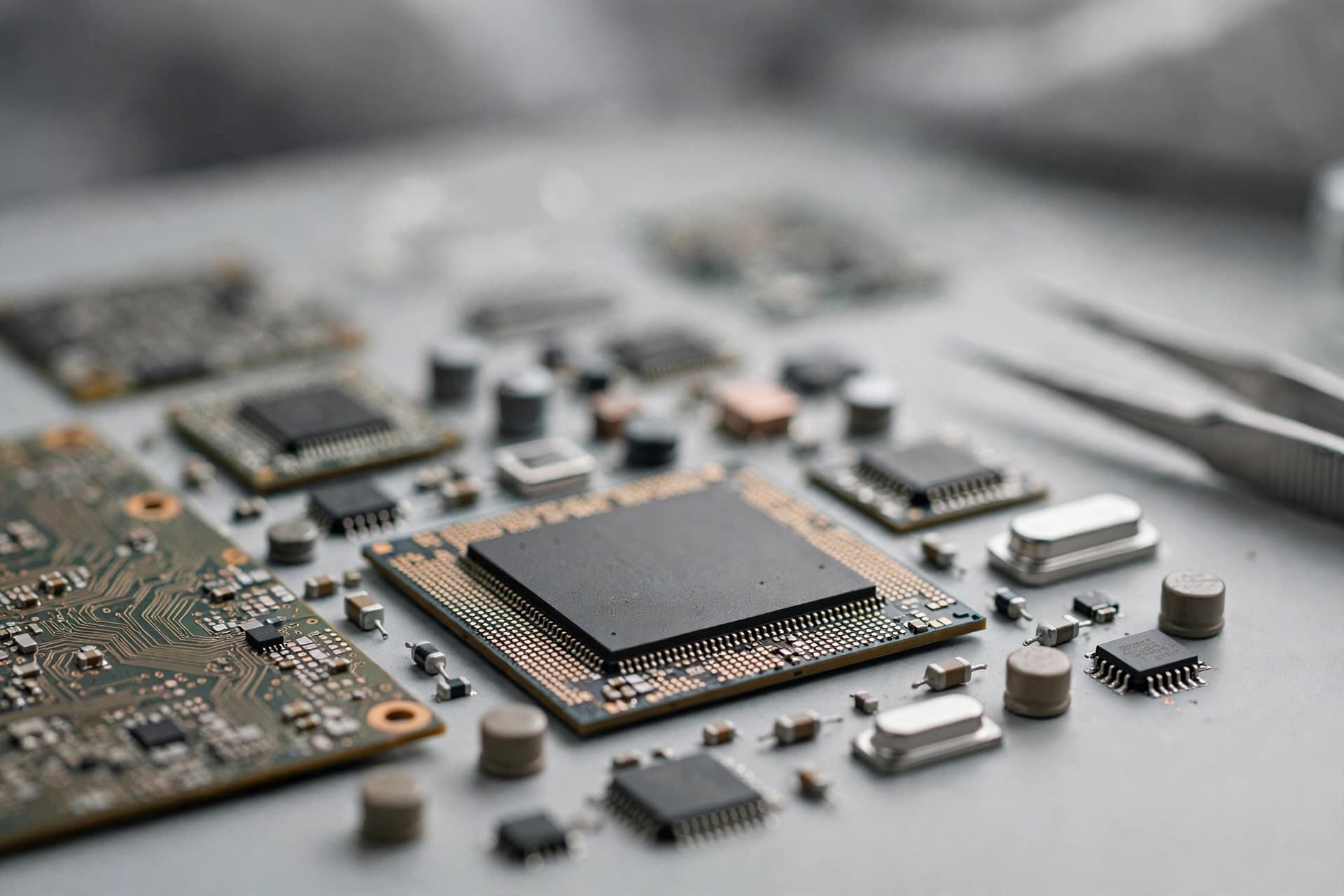
AI Image Disclaimer The illustrations are AI-generated conceptual representations and are not photographs of actual vehicles, factories, or facilities.
Sources Reuters Thailand Board of Investment Mitsubishi Motors
Published by Banx Network. This article is part of the Banx decentralized media programme, powered by the BXE token on the XRP Ledger.