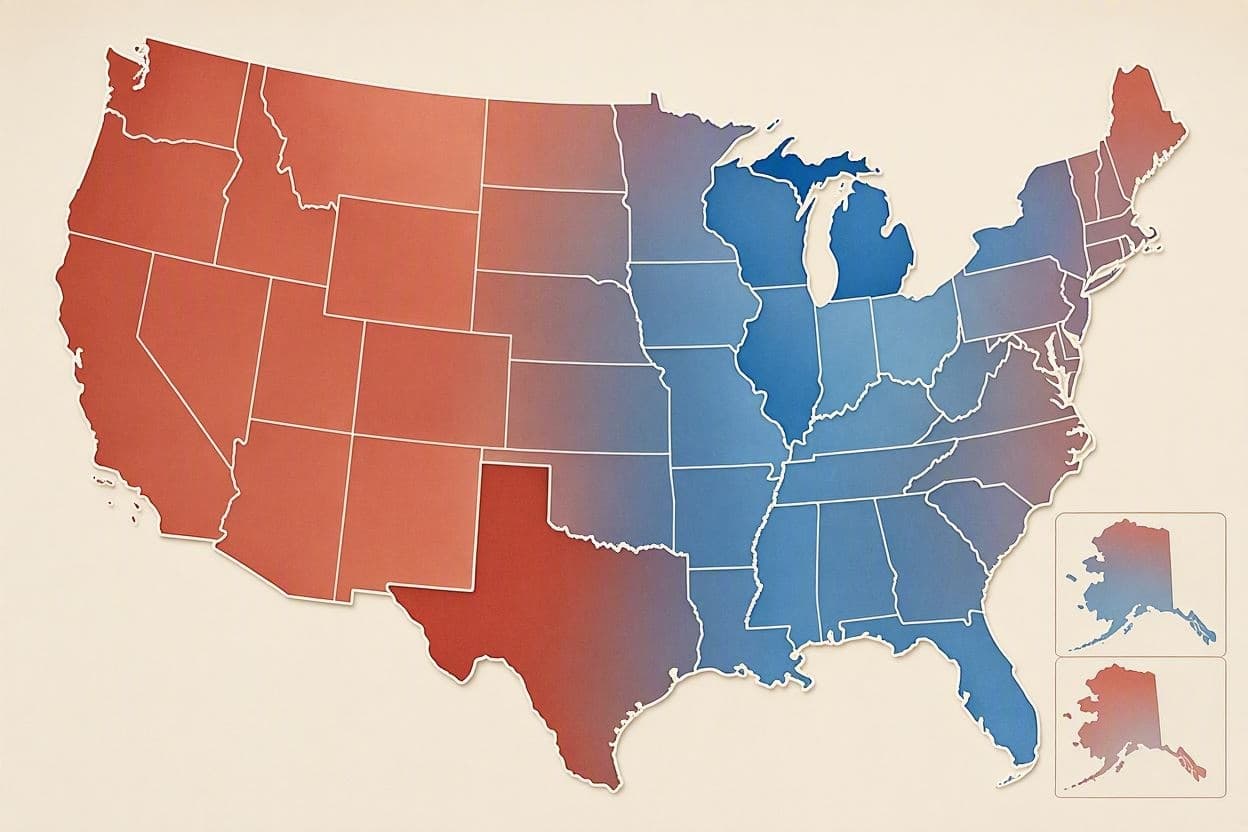
In the intricate tapestry of American democracy, where every vote is a thread weaving toward the future, the latest polling data from two pivotal states offers a glimpse into the current political mood. In both Texas and Michigan, Democratic candidates have secured slender advantages in their respective Senate races, signaling a competitive landscape that demands attention and engagement. These narrow margins are not merely numbers; they reflect the delicate balance of public opinion in regions known for their complex political identities, inviting a moment of reflection on the forces shaping our national dialogue.
The polls, released amidst a flurry of campaign activity, show Democrats holding a slight edge over their Republican counterparts. In Michigan, the race remains tightly contested, with voters weighing issues ranging from economic stability to social values. The state, often a bellwether in national elections, continues to demonstrate its independence, refusing to be easily categorized. This tightness suggests that every conversation, every policy proposal, and every personal interaction may tip the scale in the coming weeks.
Similarly, in Texas, a state historically associated with conservative dominance, the Democratic candidate’s lead, however modest, marks a significant shift in the political terrain. It speaks to changing demographics and evolving priorities among voters who are increasingly looking beyond traditional party lines. The presence of a competitive race in such a large and influential state underscores the dynamic nature of modern politics, where assumptions are constantly challenged and redefined.
These developments occur against a backdrop of national uncertainty, where voters are seeking clarity and direction. The narrow leads indicate that neither party can take victory for granted, fostering an environment where accountability and responsiveness become paramount. Candidates are compelled to listen more closely, to address concerns with precision, and to offer visions that resonate with a diverse electorate. It is a reminder that democracy thrives on competition and the active participation of its citizens.
The media coverage surrounding these polls has been intense, with analysts dissecting every percentage point. Yet, beneath the surface of statistical analysis lies the human element—the hopes, fears, and aspirations of millions of individuals. Their voices, captured in surveys and town halls, drive the momentum of these campaigns. Understanding this human dimension is crucial for interpreting the data, as it reveals the emotional undercurrents that often determine electoral outcomes.
As the election approaches, the focus will likely shift from broad trends to specific local issues. Voters in rural areas may prioritize agricultural policies, while those in urban centers might focus on infrastructure and education. This localization of politics ensures that the national narrative is grounded in community realities, making the election a mosaic of local concerns rather than a monolithic debate. It is a testament to the federal system’s ability to accommodate diverse needs.
The implications of these races extend beyond the Senate chamber. They signal potential shifts in legislative power and policy direction for the next cycle. A change in representation could influence debates on healthcare, climate change, and economic reform. Thus, the stakes are high, not just for the candidates but for the broader societal goals that depend on legislative action. The narrow leads serve as a call to action for all stakeholders to remain engaged and informed.
As the countdown to Election Day continues, the narrow leads in Texas and Michigan remind us of the power of each individual vote. They highlight the importance of civic duty and the ongoing evolution of the American political landscape. Whether these leads hold or shift, the process itself reinforces the vitality of democratic engagement, urging us to participate with thoughtfulness and hope.
AI Image Disclaimer: The visual illustrations accompanying this article are AI-generated concepts designed to represent the theme of political polling and do not depict actual campaign events or candidates.
Sources: The Hill Ballotpedia 270ToWin Cook Political Report
Published by Banx Network. This article is part of the Banx decentralized media programme, powered by the BXE token on the XRP Ledger.