There was a time when a photograph — a grainy black‑and‑white still, a sun‑washed color print — stood as a simple witness to a moment: a child’s laugh, a stranger’s face, a horizon at sunset. We trusted that the camera recorded what our eyes saw, even if imperfectly. But in the era of AI‑powered camera phones, that trust is quietly evolving. What was once a tool for capturing reality is now increasingly a system that interprets and re‑creates it.
Modern smartphones use AI in their imaging pipelines to enhance photos before they are ever shown to users. From Samsung’s AI editing tools that let you add or remove objects by simple text prompts to Google’s advanced generative editing integrated into apps like Google Photos, AI now plays a central role not just in editing post‑capture but in shaping the final record of what was seen. In many cases, users can ask the AI to brighten skies, shift subjects, or fill in backgrounds — transformations that go beyond traditional tweaks into the realm of creative reinterpretation.
This shift raises subtle but profound questions about perception. Photographs have long served as anchors of memory — proof of where we’ve been, whom we were with, what the world looked like at a given time. Yet when AI becomes the editor — sometimes automatically — the line between what happened and what looks good can blur. In some cases, phones apply image enhancements automatically, and users have reported that once‑captured scenes are subtly altered without their explicit intent.
Researchers studying visual cognition and AI also caution that such edits can influence memory itself. Experimental work has found that altered or synthetically changed images can make people more likely to recall details that were never present, suggesting that seeing is not always believing when AI has intervened.
Critics and creators alike note that this trend isn’t just a technical curiosity but a cultural shift. When the devices we use most — our phones — present an enhanced version of reality as the default, it can begin to skew our collective sense of “what was real.” Some have even framed this transformation in stark terms: once a camera becomes a generator of idealized visuals rather than a recorder of truth, shared events risk fragmenting into thousands of personal versions of reality rather than a common narrative.
Social scientists also see potential psychological effects. Just as social media filters once reshaped beauty standards and self‑image — a phenomenon known as Snapchat dysmorphia — pervasive AI editing could reinforce unrealistic visual norms or heighten anxiety about authenticity and memory.
At the same time, defenders of the technology argue that AI editing democratizes creativity and makes photographic tools more accessible. Some photographers point out that every era of imaging — from film grain to digital noise reduction — has involved interpretation rather than pure documentation. Even conventional HDR and post‑processing techniques have long mediated what we see.
Still, platforms and hardware makers are beginning to acknowledge the broader implications. Some are exploring watermarking or metadata tags to indicate when an image has been AI‑altered, while others emphasize giving users control over how much editing takes place rather than imposing it by default.
In the end, the camera — once thought to capture reality — is becoming a collaborator in creative expression. That evolution offers remarkable opportunities for artistry and storytelling. But it also invites us to reflect on how closely our digital memories resemble the world we actually experienced. In a time when AI can shape not just what we see but what we remember, we may need to relearn how to look — and how to trust our own eyes.
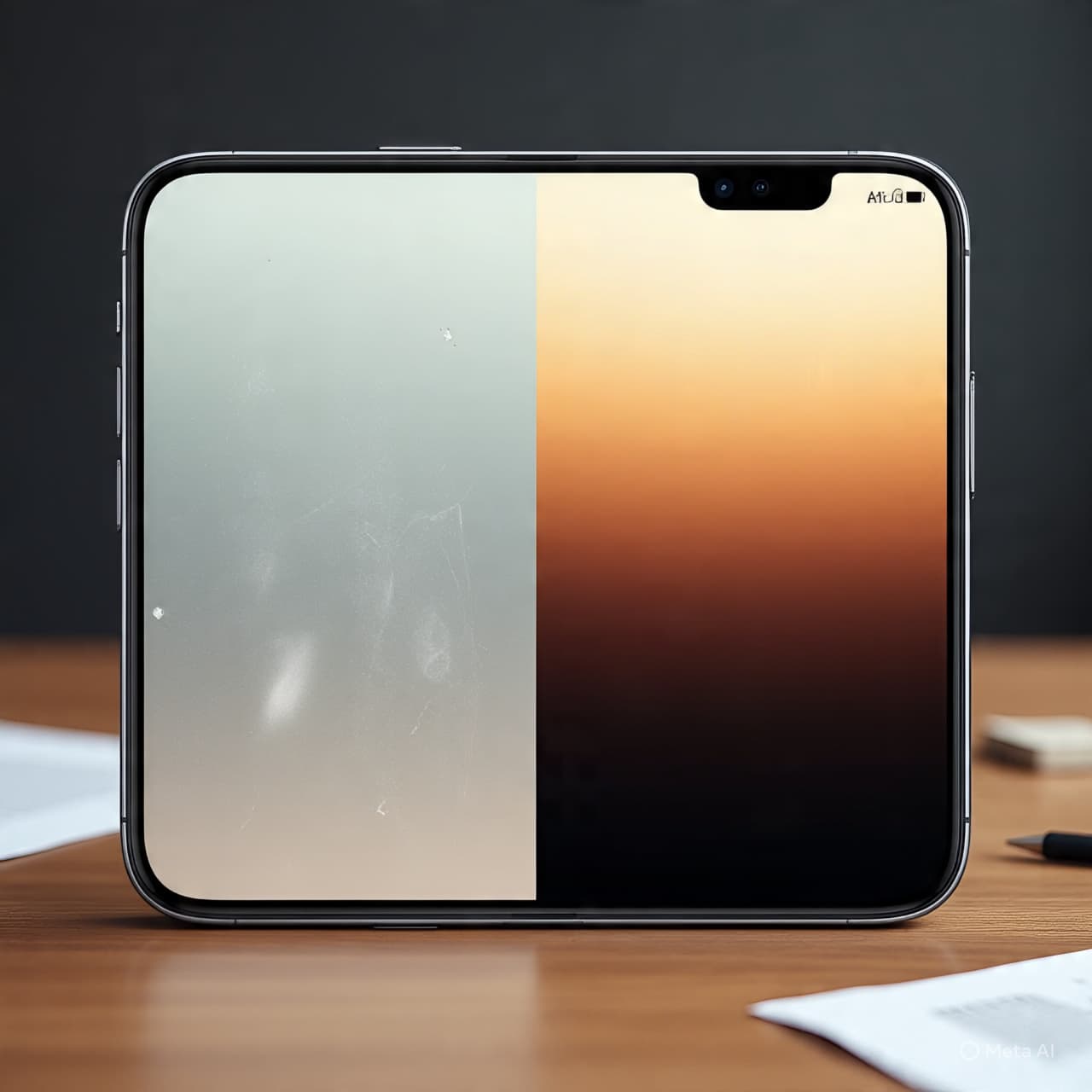
🤖 AI Image Disclaimer Images in this article are AI‑generated illustrations, meant for concept only.
📚 Sources News Minimalist / BBC reporting on AI phone photo editing and perception effects. SAMAA News on how AI alters smartphone photography and its influence on perceived reality. Samsung One UI AI editing features showing how phones now let users describe photos edits. eWeek coverage of Google’s Nano Banana AI photo editing tools. Research on AI‑induced false memories linked to AI‑edited visuals.
Published by Banx Network. This article is part of the Banx decentralized media programme, powered by the BXE token on the XRP Ledger.