Some medical emergencies do not announce themselves with clarity. They arrive disguised as fatigue, as a fleeting shortness of breath, as a discomfort easily mistaken for something less urgent. Pulmonary embolism belongs to this category — a condition both sudden and subtle, where minutes matter and recognition can mean the difference between recovery and decline. In response, newly updated guidelines are placing renewed emphasis on early diagnosis and coordinated care, not only within hospitals, but across healthcare systems worldwide.
Pulmonary embolism (PE) occurs when a blood clot blocks an artery in the lungs, most often originating from deep veins in the legs. According to reporting in Reuters and MedPage Today, recent international guidelines highlight the importance of rapid clinical assessment combined with validated scoring tools to identify patients at risk. Early suspicion, experts suggest, remains one of the most critical determinants of outcome.
BBC and The Guardian have previously noted that delayed diagnosis remains a challenge, particularly when symptoms overlap with other conditions such as pneumonia, anxiety, or heart failure. The updated guidance encourages clinicians to apply structured risk assessment models alongside D-dimer testing and timely imaging, particularly CT pulmonary angiography, when indicated. The goal is not overtesting, but precision — identifying high-risk patients swiftly while avoiding unnecessary procedures in low-risk cases.
The European Society of Cardiology and other global bodies have underscored that care for PE does not end with diagnosis. Risk stratification now guides treatment intensity. Patients with hemodynamic instability may require urgent thrombolytic therapy or catheter-based intervention. Those who are stable but at intermediate risk may need close monitoring and anticoagulation. Low-risk individuals, in some healthcare systems, may even be considered for early discharge with structured outpatient follow-up.
A notable theme in the updated recommendations is global equity in care. Access to advanced imaging, specialized teams, and newer anticoagulants varies widely across regions. The guidelines acknowledge these disparities while promoting adaptable frameworks that can be implemented in both resource-rich and resource-limited settings. Prevention strategies — including thromboprophylaxis for hospitalized patients and education on recognizing early symptoms — are emphasized as universally applicable measures.
There is also increasing attention to multidisciplinary collaboration. Pulmonary Embolism Response Teams, or PERTs, have been encouraged in larger centers to ensure rapid consultation across specialties. Such coordination aims to reduce treatment delays and tailor therapy to individual patient profiles.
Importantly, the guidelines reflect accumulated evidence rather than abrupt change. Anticoagulation remains the cornerstone of treatment. What evolves is the structure — a clearer algorithm for diagnosis, risk evaluation, acute intervention, and long-term follow-up.
Healthcare leaders note that pulmonary embolism continues to be a significant cause of cardiovascular mortality worldwide. By prioritizing early recognition and standardized care pathways, the new recommendations seek to reduce preventable deaths while improving long-term outcomes. Implementation will depend on local systems, clinician education, and ongoing research, but the direction is consistent: earlier suspicion, coordinated action, and sustained care beyond the acute episode.
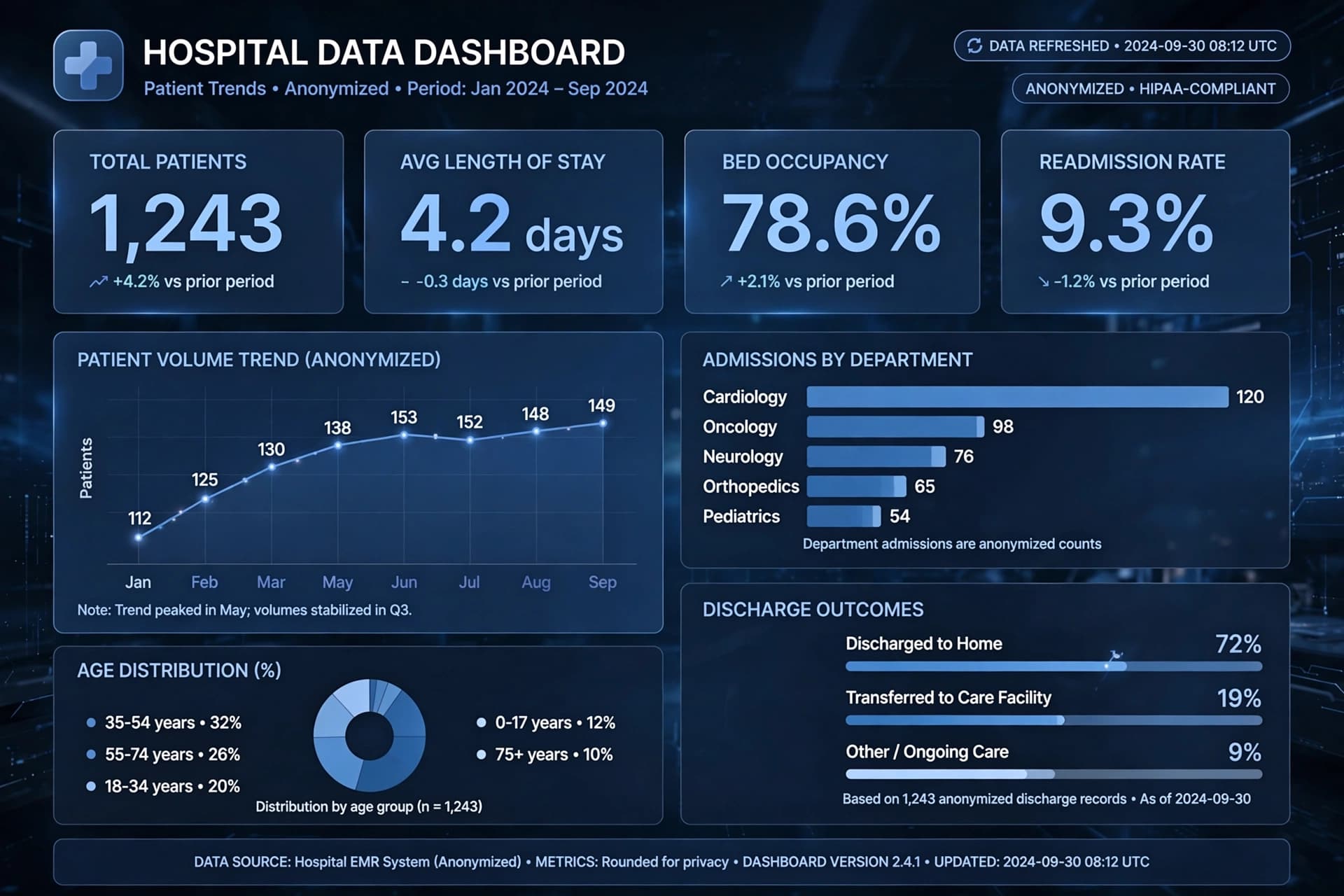
AI Image Disclaimer:
Illustrations were produced with AI and serve as conceptual depictions.
Source Check:
Reuters BBC The Guardian MedPage Today European Society of Cardiology
Published by Banx Network. This article is part of the Banx decentralized media programme, powered by the BXE token on the XRP Ledger.

.jpg&w=3840&q=75 "Qantas Grounds Plane After Passengers Report Bedbug Bites")