Banx Media Platform logo
SCIENCESpaceClimateMedicine ResearchPhysics

When even the coldest edges of the solar system breathe softly

Scientists detected a thin atmosphere around a distant trans-Neptunian object, revealing unexpected activity in the outer solar system.

A

Angga

EXPERIENCED
5 min read
0 Views
Credibility Score: 87/100
When even the coldest edges of the solar system breathe softly

At the edge of the known solar system, where sunlight arrives as little more than a faint memory, scientists have uncovered something unexpected—a thin, delicate atmosphere surrounding a distant object beyond Neptune.

The discovery of a tenuous atmosphere around a trans-Neptunian object challenges earlier assumptions that such distant celestial bodies are entirely inert and airless.

Using advanced telescope observations, researchers detected subtle spectral signatures suggesting the presence of volatile gases escaping from the object’s surface.

These gases are believed to originate from frozen compounds that slowly sublimate when exposed to minimal solar radiation, even at extreme distances.

While the atmosphere is extremely thin compared to Earth’s, its existence provides valuable insight into the chemical diversity of objects in the outer solar system.

Scientists emphasize that these findings help refine models of planetary formation and the behavior of icy bodies under low-temperature conditions.

The discovery also raises questions about how many similar objects may possess temporary or seasonal atmospheres that have yet to be detected.

As observation techniques improve, the farthest reaches of our solar system continue to reveal subtle complexities that challenge long-held assumptions about what lies in deep space.

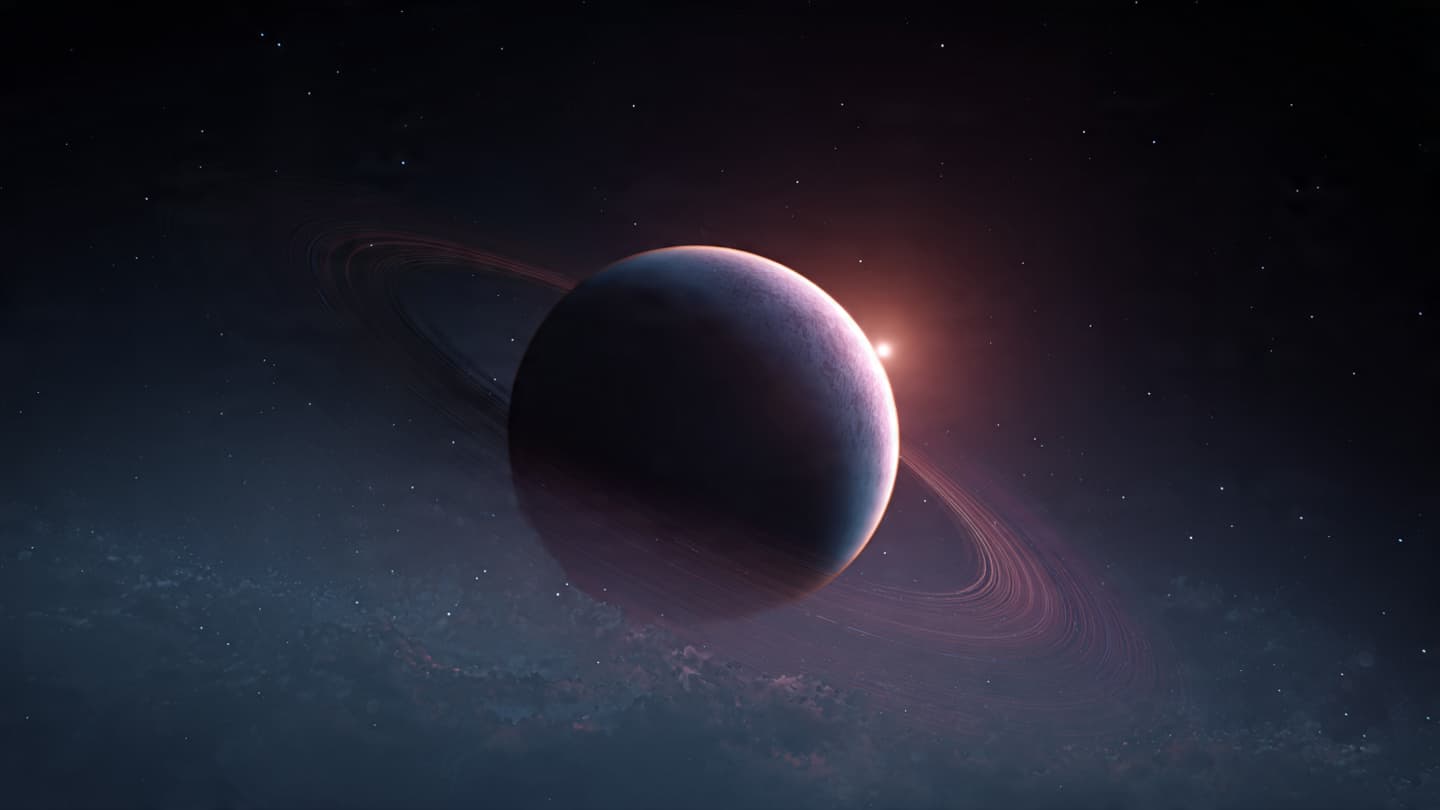
AI Image Disclaimer: All visuals referenced are AI-generated illustrations created for conceptual scientific representation.

Sources (media names only): NASA, ESA, Astronomy & Astrophysics, Space.com

Published by Banx Network. This article is part of the Banx decentralized media programme, powered by the BXE token on the XRP Ledger.


#Space #Astronomy
Decentralized Media

Powered by the XRP Ledger & BXE Token

This article is part of the XRP Ledger decentralized media ecosystem. Become an author, publish original content, and earn rewards through the BXE token.

Newsletter

Stay ahead of the news — and win free BXE every week

Subscribe for the latest news headlines and get automatically entered into our weekly BXE token giveaway.

No spam. Unsubscribe anytime.

Share this story

Help others stay informed about crypto news

Related articles

Keep exploring the latest stories.

View more
From Cells to Society: Understanding the Neural Basis of Connection

From Cells to Society: Understanding the Neural Basis of Connection

Researchers at the Salk Institute have identified specific neurons that control complex social behaviors, offering new insights into the biological basis of so…

From Code to Cosmos: Constraining the Nature of Dark Matter

From Code to Cosmos: Constraining the Nature of Dark Matter

Advanced galactic simulations are helping scientists narrow down the properties of dark matter by comparing theoretical models with observed galaxy structures,…

When the Earth Moves: Understanding the Sichuan Earthquake

When the Earth Moves: Understanding the Sichuan Earthquake

A 5.1 magnitude earthquake struck Sichuan province, China, causing widespread shaking but minimal damage thanks to strict building codes and effective emergenc…