In the gentle world of public health discourse, where science often speaks in measured data and cautious projections, there are moments when a single statement ripples outward with a force that makes us pause and reflect on the broader principles that guide research and care. Such was the case this week when the World Health Organization’s director-general described a proposed U.S.-funded vaccine trial as “unethical,” highlighting deep questions about how and where clinical research should proceed.
In a recent press briefing, WHO Director-General Tedros Adhanom Ghebreyesus said that plans for a hepatitis B vaccine study in Guinea-Bissau — which involves a U.S. government grant and would assign some newborns to receive the first dose at birth while others would not — are “unethical” if conducted as proposed. His comments were rooted in the long-standing global understanding that the hepatitis B vaccine is safe, highly effective, and recommended for all infants at birth to prevent lifelong infection and severe liver disease.
These words did not arise in a vacuum. The trial in question would compare health outcomes for infants who receive the vaccine at birth with those who are given their first dose at two months of age, mirroring a policy shift by U.S. public health authorities that now advises delaying the birth dose for many infants. In Guinea-Bissau, where hepatitis B prevalence is high and mother-to-child transmission remains common, critics argue that intentionally withholding a proven preventive intervention could expose newborns to unnecessary risk.
Tedros’s critique gently but firmly reflects the WHO’s position that research conducted anywhere must adhere to internationally accepted ethical standards, particularly when vulnerable populations are involved. He underscored that offering half of a group a delayed intervention — one already shown to prevent chronic hepatitis B and its complications — raises serious moral concerns in a region where the burden of disease is meaningful and the vaccine is widely endorsed by global health bodies.
The essence of clinical research lies in its promise to expand knowledge that can lead to better health for all. Yet that promise is balanced by universal principles meant to protect participants: respect for persons, beneficence, and justice. In nations where basic preventive tools are already established as effective and safe, designing a trial that withholds them from some participants — especially newborns — evokes echoes of past ethical lapses in medical research and calls for particularly thoughtful scrutiny.
Public health professionals around the world, including ethicists, pediatricians and global health officials, have echoed similar concerns. They argue that withholding a life-saving vaccine in a trial setting should be justified only by clear and compelling scientific need — which many experts believe is not present here, given the decades of evidence supporting the hepatitis B vaccine’s benefits and safety profile.
At the same time, supporters of the study maintain that it seeks to elucidate whether the timing of the vaccine might have non-specific effects on infant health beyond its traditional role in preventing hepatitis B infection. This line of inquiry, while medically interesting to some, has raised eyebrows among ethicists who question whether such research should override established standards of care in a high-burden setting.
The unfolding discussion has also prompted Guinea-Bissau’s health authorities to review the study’s design closely, inviting broader ethical oversight and consultation with regional public health partners. The response illustrates the balance that sovereign nations often must strike between pursuing scientific inquiry and safeguarding the health of their youngest citizens — a delicate dance where the stakes are, quite literally, life and death.
Measured in this way, the WHO director-general’s comments invite a wider reflection about the values that underpin medical research. They remind us that science, for all its precision and rigor, is also governed by moral commitments to human dignity and well-being — commitments that transcend borders and compel us to consider not just what we study, but why and how we do so.
In plain news terms, the World Health Organization’s director-general called a planned U.S.-funded hepatitis B vaccine trial in Guinea-Bissau “unethical,” warning that withholding a proven, safe vaccine from newborns in a high-prevalence setting raises serious ethical issues. The study — partially funded by the Centers for Disease Control and Prevention — is undergoing further ethical review by local and regional health authorities, and its future remains uncertain as debates continue over design, purpose and participant protection.
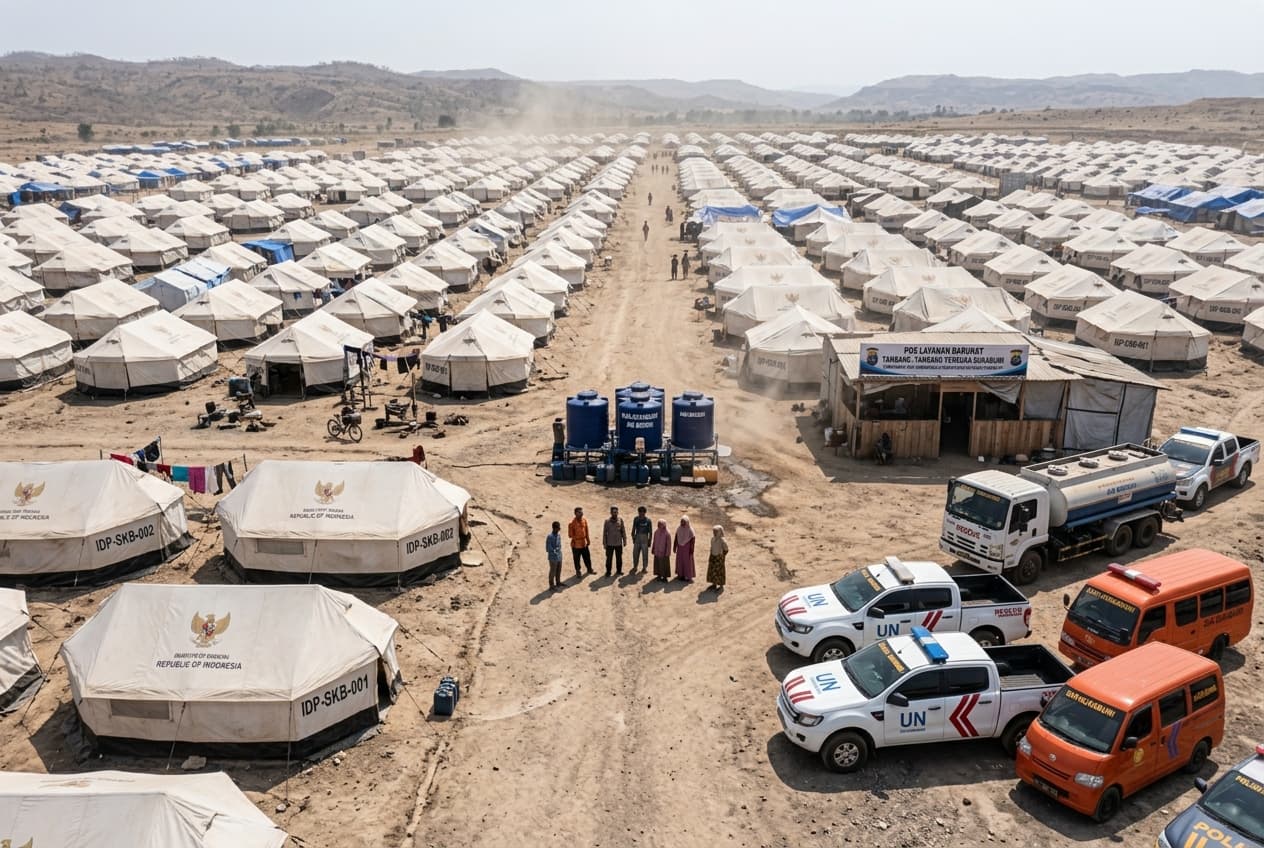
AI Image Disclaimer Visuals are created with AI tools and are not real photographs.
Sources STAT News reporting on WHO director-general’s comments. Reuters coverage of ethical criticism of U.S.-funded hepatitis B study. Search results noting ethical context and debate in Guinea-Bissau.
Published by Banx Network. This article is part of the Banx decentralized media programme, powered by the BXE token on the XRP Ledger.