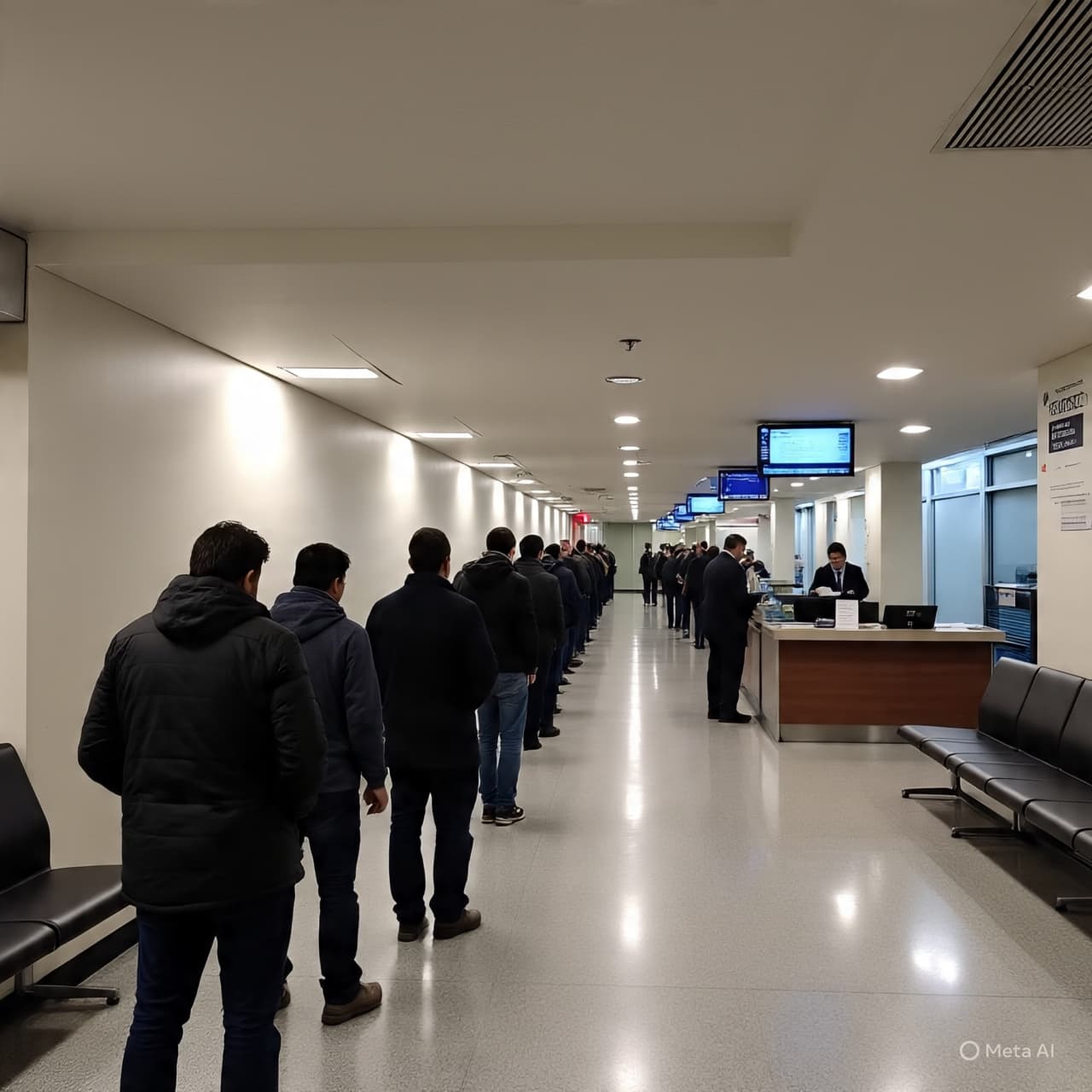
Movement has always been shaped by rules, but rarely by price alone. In the language of visas and entry requirements, cost is usually a byproduct rather than a signal. That balance shifted again as the United States moved to broaden a policy that places a financial condition on the act of arrival itself.
The Trump administration has added 25 countries to a visa bond program that requires certain travelers to post a substantial monetary guarantee before entering the United States. The measure, framed as a tool to reduce visa overstays, allows authorities to demand bonds running into thousands of dollars, refundable only if visitors comply fully with the terms of their stay.
The expansion alters the experience of travel in quiet but meaningful ways. For applicants from the newly added countries, entry now begins not only with paperwork and interviews, but with an assessment of financial risk. The bond functions as assurance rather than punishment, yet its effect is immediate, particularly for travelers of modest means who may find the cost prohibitive regardless of intent.
Officials have defended the policy as targeted and preventative, arguing that visa overstays undermine the integrity of the immigration system and that financial guarantees provide a measurable deterrent. The administration has pointed to data suggesting higher overstay rates among certain nationalities, presenting the bond as a calibrated response rather than a blanket restriction.
Critics see something different. They argue that the policy introduces inequality into mobility, favoring wealth over compliance and turning temporary travel into a privilege priced beyond reach for many. Immigration advocates have also questioned whether financial bonds meaningfully address overstays, noting that intent, circumstance, and enforcement play more complex roles than solvency alone.
For countries added to the list, the decision carries diplomatic undertones. While not a travel ban, the bond requirement signals heightened scrutiny and alters how bilateral relationships are felt at the individual level. Students, business travelers, and family visitors become the point at which policy translates into lived experience.
In administrative terms, the program has been implemented through existing legal authority, and no end date has been announced. The list of affected countries may continue to evolve, and exemptions remain possible on a case-by-case basis. For now, the requirement stands as part of a broader approach that emphasizes control through conditions rather than closure.
As travelers adjust and consulates apply the new rules, the broader question lingers quietly. When access is filtered through financial assurance, the meaning of openness changes. The border remains open, but the cost of crossing it is no longer merely symbolic.
AI Image Disclaimer Visuals are AI-generated and serve as conceptual representations.
Published by Banx Network. This article is part of the Banx decentralized media programme, powered by the BXE token on the XRP Ledger.