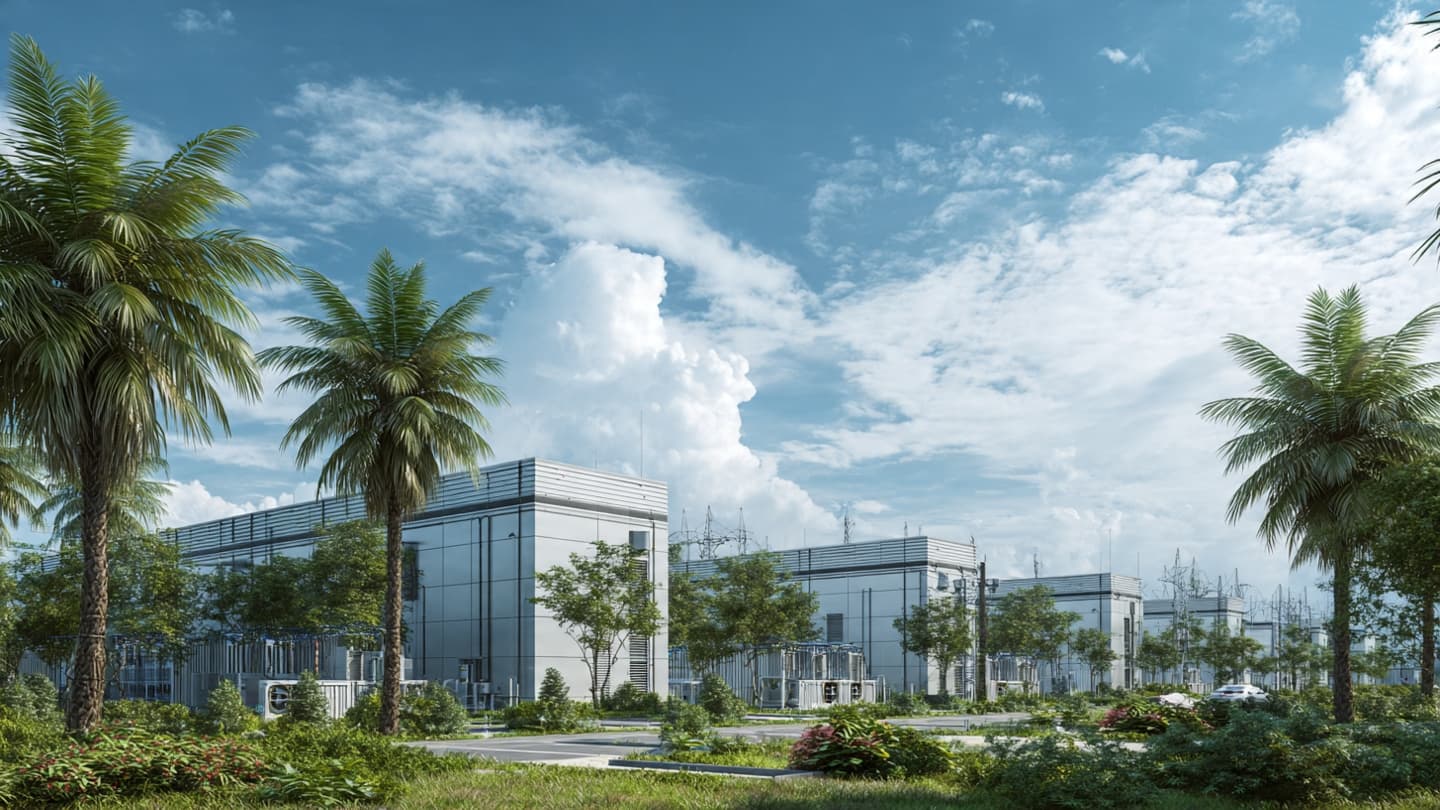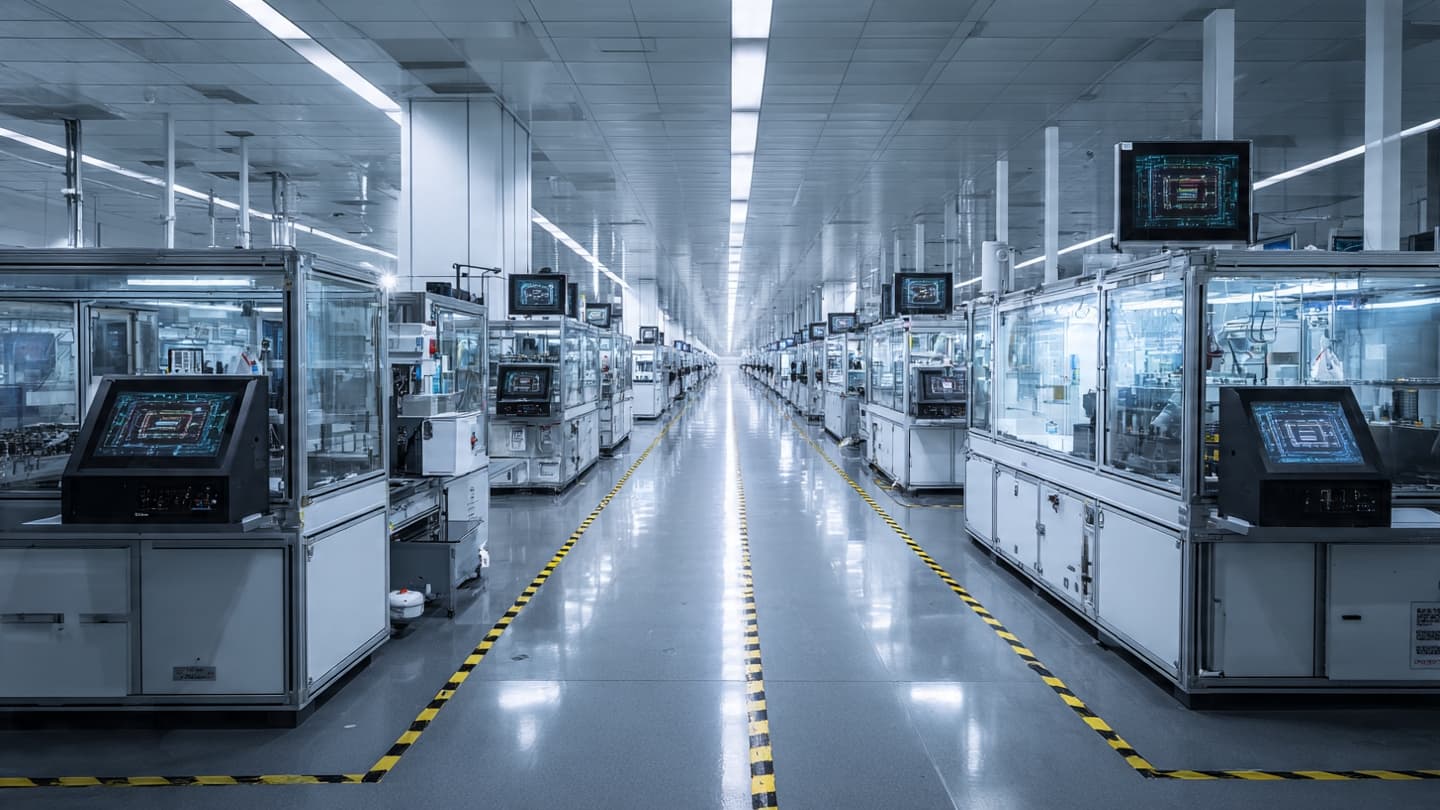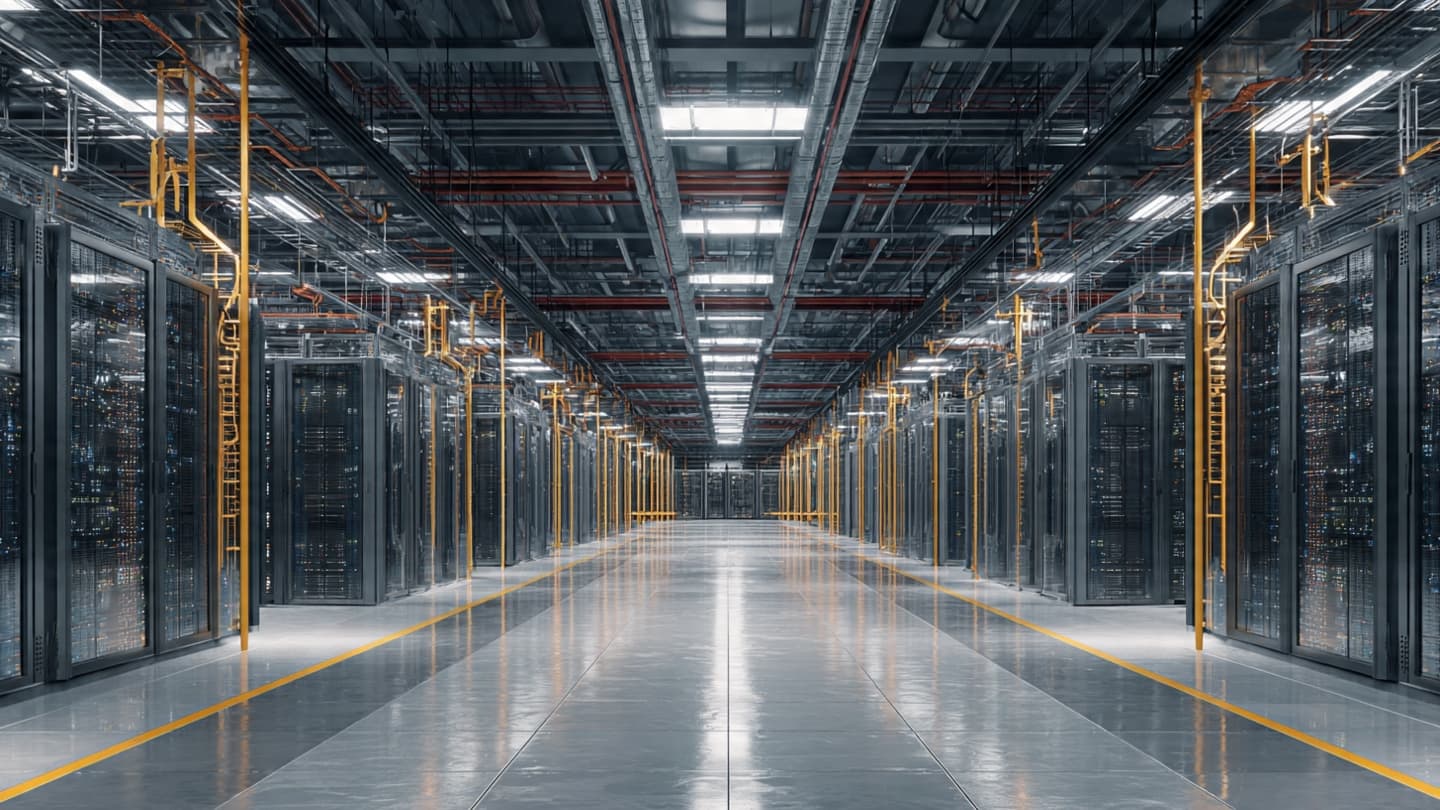
Behind every artificial intelligence that operates in seconds, there exists a much larger and quieter physical space: data centers. Inside these buildings, electricity, servers, cooling, networks, and chips work tirelessly to transform data into computation.
Egypt is now preparing to build one of the largest AI infrastructure projects in the country. The government announced plans for an AI data center with a capacity of up to 200 megawatts and an investment value of around $1 billion, utilizing Nvidia technology.
The project will not start at full capacity. The initial phase is designed for 20 MW with an investment of approximately $200 million over three years. The construction will be carried out through a partnership between Vodafone Business, Elsewedy Electric, and Cassava Technologies, which is Nvidia's main partner in Africa.
The Egyptian government refers to the facility as the country's first sovereign AI data center. This concept allows organizations to use AI computing capabilities while ensuring that data is processed and stored within Egypt.
This is where the term "data sovereignty" gains practical meaning. As more economic activities rely on AI and the cloud, the location of data storage and processing becomes a crucial part of a country's digital infrastructure.
Nvidia technology will be a key component of the system. Cassava Technologies and Vodafone Business will provide advanced computing capabilities, including GPU-as-a-Service, to support large-scale AI applications.
The construction of the data center also brings significant energy and infrastructure needs. The 200 MW capacity indicates that AI is not just a story about software. Behind the scenes, there are demands for electricity, networks, cooling systems, physical security, connectivity, and facility management that must operate continuously.
The impact is also expected to extend to the labor market. The Egyptian government estimates that the project could create up to 200 direct jobs and around 2,000 indirect jobs. Additionally, the facility is expected to support the development of cloud services and AI applications domestically.
For Egypt, this project could be part of efforts to strengthen the country's position as a regional digital hub. With computing capacity available domestically, companies and institutions can gain closer access to AI infrastructure without fully relying on facilities outside the region.
The journey to a 200 MW capacity will certainly not happen overnight. It starts from 20 MW and then evolves according to the needs and capabilities of the infrastructure. But from that initial figure, a clearer direction emerges: Egypt does not just want to be a user of artificial intelligence, but also to build the physical space that allows this technology to grow domestically.
Image Disclaimer: The visuals are AI-based conceptual illustrations of the construction of an AI data center in Egypt and are not photos of operational facilities.
Sources:
Arab News Egypt State Information Service Egyptian Ministry of Communications and Information Technology Vodafone Business Elsewedy Electric Cassava Technologies Nvidia
Published by Banx Network. This article is part of the Banx decentralized media programme, powered by the BXE token on the XRP Ledger.