The future of artificial intelligence is being built in places that can sometimes appear distant from the software people see on their screens. In South Korea, OpenAI and Samsung Electronics are strengthening their relationship around chips, computing infrastructure and enterprise AI.
OpenAI Korea General Manager Harrison Kim said the companies have made significant progress in joint production and research involving next-generation chips that OpenAI is developing. The comments came during a press conference in Seoul, although OpenAI later clarified that there was no new initiative formally announced.
The distinction is important. The companies are deepening an existing relationship rather than announcing an entirely new partnership. Samsung has already adopted ChatGPT extensively, while the two companies have previously discussed cooperation involving AI technology and semiconductor supply.
For OpenAI, developing specialized chips has become increasingly important as the computational demands of artificial intelligence continue to grow. The company has previously worked with Broadcom on a custom AI chip called Jalapeno, designed for inference workloads, with production handled by TSMC.
Samsung brings a different but complementary strength. The South Korean technology giant is one of the world's largest semiconductor manufacturers and has deep capabilities across memory, advanced manufacturing and electronic components.
The relationship also reaches beyond hardware. Samsung has deployed ChatGPT among employees in areas including research and development, marketing and sales. That means the partnership is not simply about the machines required to run AI, but also about how AI is becoming part of everyday corporate work.
OpenAI said the number of ChatGPT Enterprise users in South Korea had grown 28-fold over the previous year. Samsung's large-scale deployment is part of a wider movement among companies looking to integrate generative AI into professional workflows.
South Korea has become an important location in the global AI supply chain because of its semiconductor industry. Samsung and SK Hynix have also committed to supplying memory chips for OpenAI's Stargate data-center project, further connecting the country's technology sector to the expanding infrastructure behind AI systems.
The broader picture is one of increasing interdependence. AI companies need chips, memory and data centers, while semiconductor manufacturers increasingly depend on the expanding demand created by AI. Partnerships between these industries therefore have consequences far beyond any single product.
As OpenAI continues developing more capable systems and Samsung expands its AI and semiconductor operations, the relationship between the two companies may become an important part of the wider technology landscape.
For now, the story is less about a single announcement and more about a gradual alignment. Software, chips and enterprise technology are moving closer together, and in Seoul, another part of that transformation is quietly taking shape.
Image Disclaimer:
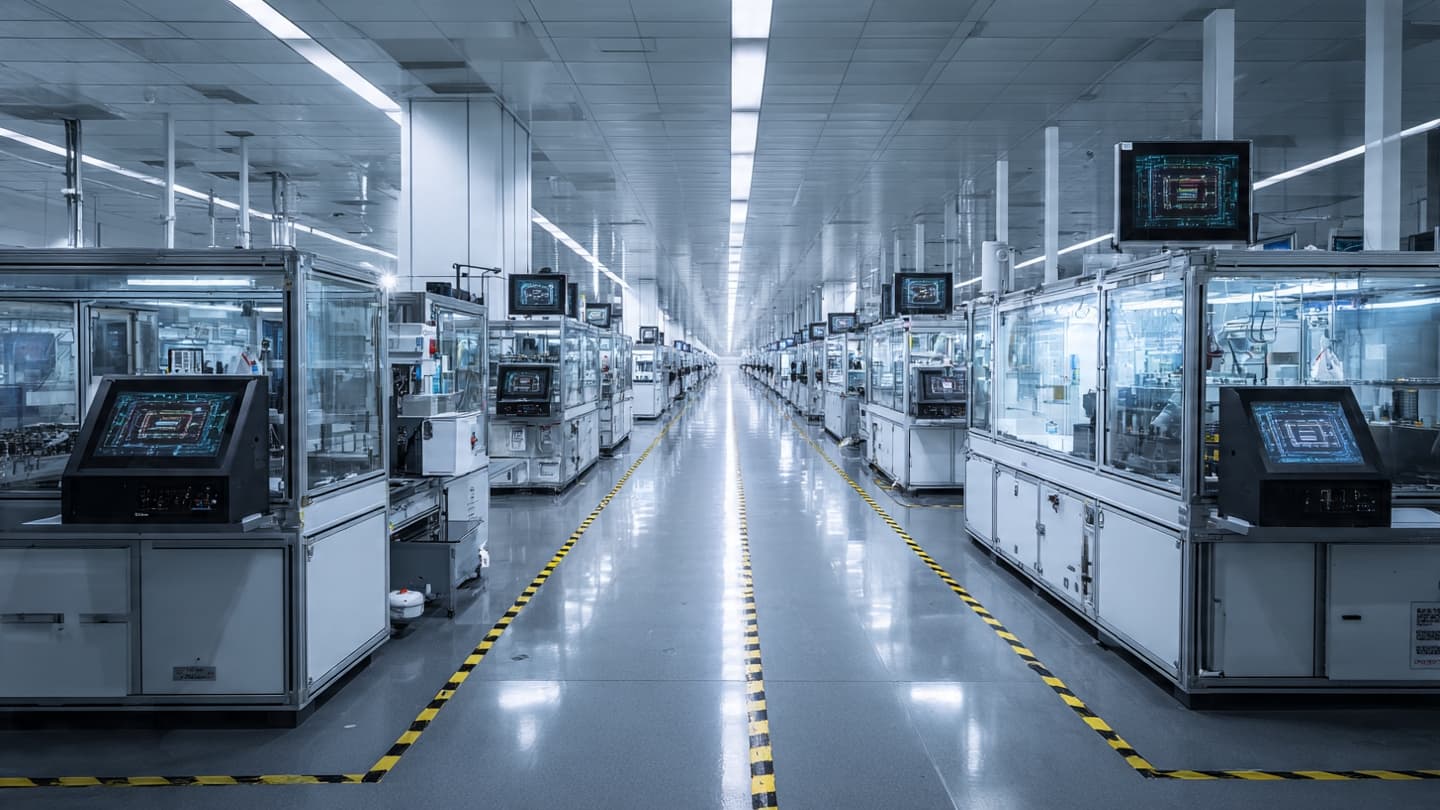
The visuals described for this article are AI-generated conceptual representations intended for editorial use. They are not authentic photographs of OpenAI or Samsung facilities, employees or private meetings.
Sources:
Reuters
Published by Banx Network. This article is part of the Banx decentralized media programme, powered by the BXE token on the XRP Ledger.