There are evenings when the Moon hangs in the sky as a steady companion—pale, constant, familiar. And then there are rarer nights when it seems to change its character entirely, slipping into shadow and emerging transformed. On Tuesday, skywatchers across several continents are expected to witness such a transformation, as a total lunar eclipse turns the Moon a deep, coppery red.
A total lunar eclipse occurs when Earth passes directly between the Sun and the Moon, casting its shadow fully across the lunar surface. During this alignment, sunlight filters through Earth’s atmosphere and bends toward the Moon, scattering shorter blue wavelengths and allowing longer red tones to illuminate the surface. The result is what is often called a “blood moon,” though astronomers prefer the more measured term: totality.
According to , lunar eclipses are safe to view with the naked eye, unlike solar eclipses, which require protective equipment. The entire event unfolds gradually, beginning with a subtle dimming as the Moon enters Earth’s penumbra, followed by a more pronounced darkening during the partial phase. When totality begins, the Moon can appear rust-colored, crimson, or even brownish, depending on atmospheric conditions.
Visibility for Tuesday’s eclipse is expected across parts of North America, South America, Europe, Africa, and portions of Asia. The precise timing will vary by region, with some observers seeing the eclipse during the late evening hours and others in the early morning before dawn. Clear skies and a low-light environment will enhance the view.
The red hue is not uniform from one eclipse to another. Dust, volcanic particles, and atmospheric clarity can subtly alter the intensity and shade of the color. In this way, each total lunar eclipse carries its own character—similar in mechanics, but distinct in appearance.
Historically, lunar eclipses have held cultural and symbolic meaning in many societies. Ancient observers, lacking knowledge of orbital mechanics, often regarded the darkened Moon with awe or apprehension. Today, science offers clarity, yet the emotional effect remains. A familiar celestial body changing before our eyes still evokes a sense of wonder.
Astronomers note that while lunar eclipses are not exceedingly rare, total eclipses visible across multiple continents at convenient viewing times tend to attract widespread interest. Because the Moon is fully illuminated by Earth’s refracted sunlight during totality, it does not disappear from view but glows dimly against the starry background.
For those planning to observe, experts recommend finding an open area with a clear view of the sky. No telescopes are required, though binoculars can enhance detail, revealing subtle variations in shading across the lunar surface. Photography enthusiasts often capture long-exposure images to document the shifting colors.
Unlike solar eclipses, which are visible only along narrow paths, a lunar eclipse can be seen from anywhere on the night side of Earth. This broader accessibility contributes to its communal nature—millions of people across continents looking up at the same event.
The eclipse will unfold over several hours, with totality lasting a shorter central period. Exact schedules have been published by observatories and space agencies, allowing viewers to plan accordingly.
As Tuesday approaches, anticipation builds not from uncertainty but from predictability. The orbital choreography that produces a lunar eclipse is well understood, mapped decades and even centuries in advance. Yet predictability does not diminish spectacle. Instead, it invites participation.
When Earth’s shadow rises across the Moon and the familiar silver disc deepens into red, it will be a reminder of our planet’s place in a dynamic system—three celestial bodies aligned in quiet precision. For a brief span of night, the sky will appear changed, and then, gradually, it will return to its usual glow.
The total lunar eclipse is expected to proceed as forecast, weather permitting, offering observers across several continents a clear view of the phenomenon. After totality ends, the Moon will slowly brighten once more, resuming its familiar brilliance.
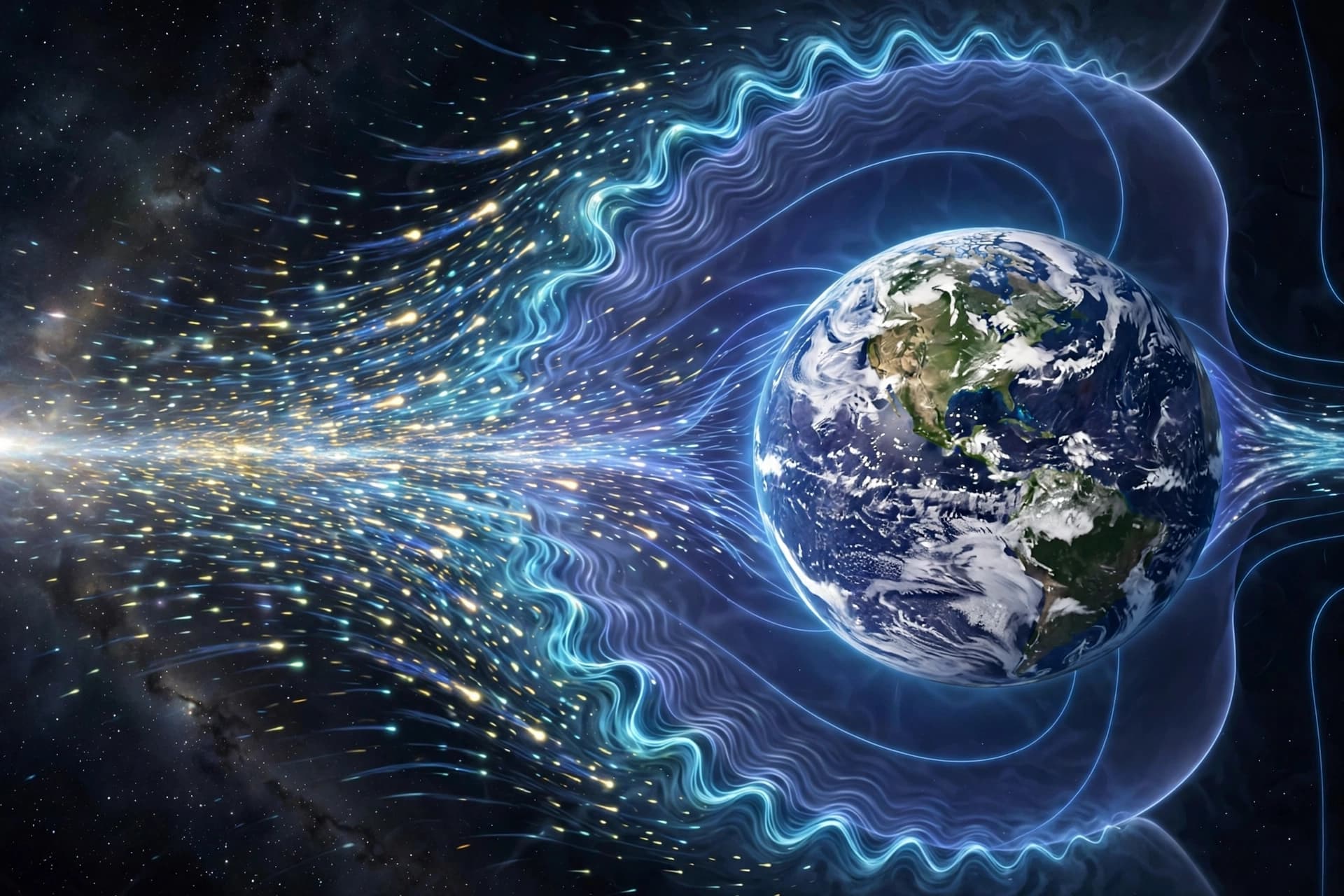
AI Image Disclaimer Graphics are AI-generated and intended for representation, not reality.
Sources Reuters Associated Press BBC News NASA Space.com
Published by Banx Network. This article is part of the Banx decentralized media programme, powered by the BXE token on the XRP Ledger.