There is something quietly humbling about returning one’s gaze to the night sky. The stars above unfold like a familiar storybook, their constellations worn into memory by years of wonder. Yet, every so often, that familiar script pauses, offering a fresh page of celestial choreography — a moment that invites not just observation but reflection. On March 3, skywatchers around much of the world will experience just such an interlude: a total lunar eclipse, when Earth’s shadow gently envelops the full moon in a slow, graceful passage from brightness to dusky red.
A lunar eclipse is, in a sense, a cosmic conversation between Earth, the sun, and the moon. As our home planet moves into alignment between its star and its celestial companion, the light we usually see reflected from the moon must first traverse Earth’s atmosphere. This atmospheric filtering scatters shorter wavelengths and allows longer, reddish hues to reach the lunar surface, creating what many affectionately call a “blood moon.” For observers on the ground, the spectacle unfolds at an unhurried pace — a reminder that some of the sky’s most beautiful moments are measured not in bursts but in gentle transitions.
To watch this eclipse is to be both witness and participant in a millennia-old tradition of sky observation. Cultures across time and around the world have looked upward during such events, finding in the darkening phases of the moon stories of change, continuity, and connection. The March 3 eclipse holds a similar charm: it is total for a meaningful period, giving observers time to savor each stage — from the moon’s first entry into Earth’s penumbra to the deep red glow at mid-eclipse, and finally back to full radiance as Earth’s shadow drifts away.
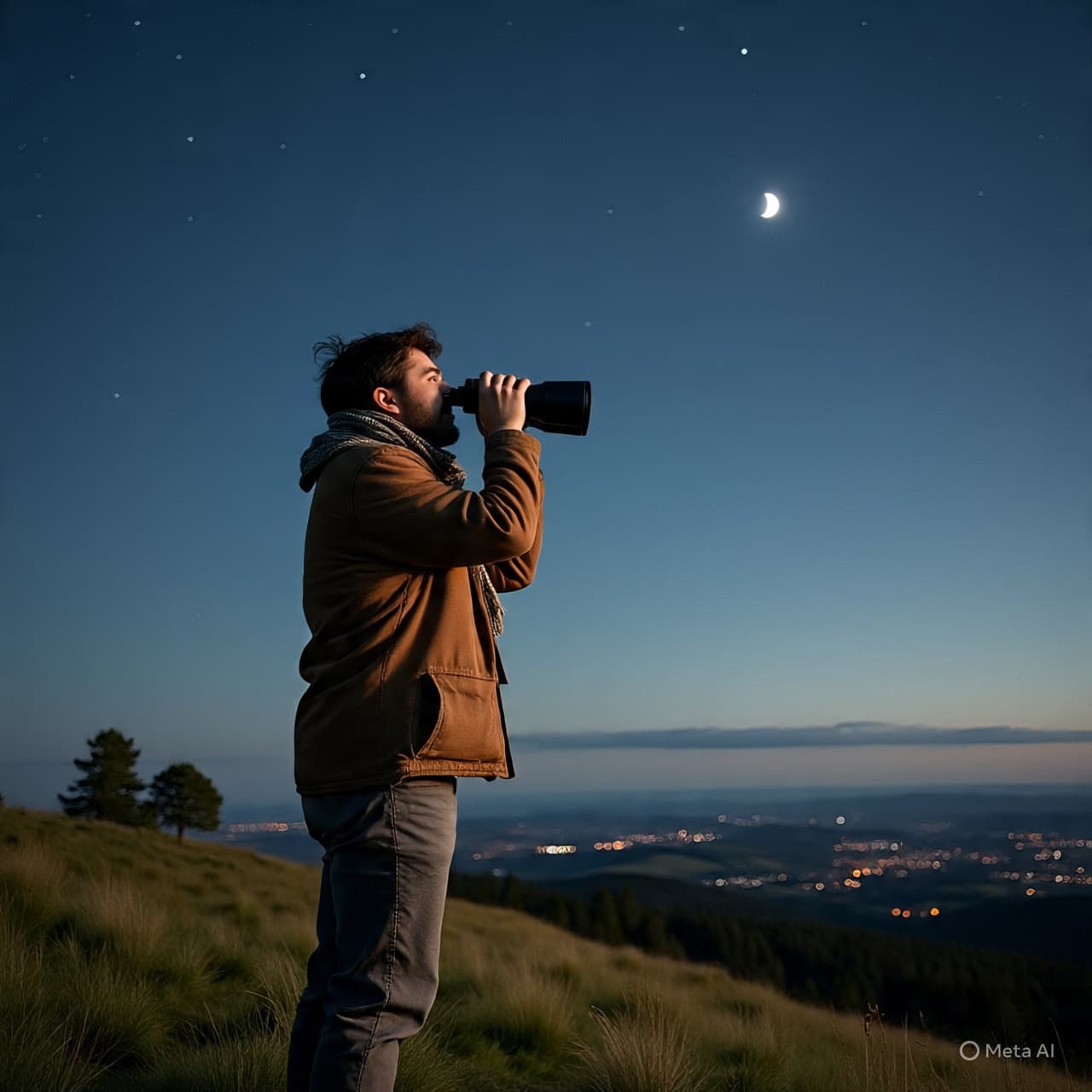
For those wishing to witness the event, the good news is that no special equipment is required. Unlike solar eclipses, which demand protective eyewear, a lunar eclipse is perfectly safe to view with the naked eye. A comfortable seat, perhaps a warm beverage, and a clear view of the night sky are sufficient companions to the unfolding spectacle. Binoculars or a modest telescope can enhance details — the cratered surface of the moon, the subtle shifts in color — but even without them, the experience remains rich and accessible.
Timing, of course, matters. The precise schedule of the March 3 eclipse will vary by location, as rising and setting times of the moon differ across time zones. Observers are encouraged to consult trustworthy astronomical calendars or apps that provide local eclipse timing based on geographic position. In general, the entire event — from the moon’s first touch of shadow to its final liberation — spans several hours, with totality lasting a portion of that window.
Weather, too, plays a role in how the eclipse appears. Clouds can obscure the view entirely or add dramatic texture to the scene. For those with an obstructed horizon, elevated vantage points or open fields often provide the clearest sightlines. Regardless of conditions, patience is part of the reward; an eclipse does not rush, and each phase offers subtle changes worth watching.
Astronomers and enthusiasts alike often use eclipses as opportunities to share knowledge and community. Local observatories, astronomy clubs, and public science centers sometimes host viewing events, where telescopes are set up and volunteers offer insights into the mechanics behind the eclipse. Whether solitary or shared with others, the experience of watching Earth’s shadow trace its path across the moon can stir equal parts curiosity and calm.
In the end, observing a total lunar eclipse is both simple and profound. It asks only that we look upward, settle into the moment, and allow ourselves to be touched by the slow poetry of the skies. On March 3, when Earth’s silhouette sweeps across the moon, it invites each of us to remember — in the most peaceful of ways — that we are part of a larger universe, and sometimes its most beautiful movements are those that unfold in quiet harmony.
Here’s what to know: the total lunar eclipse will occur on March 3, visible from many parts of the world. The moon will gradually enter Earth’s shadow, reach full totality (often displaying a deep red color), and then emerge back into full brightness. Observers should check local timing, prepare for several hours of viewing if possible, and choose a clear, unobstructed sky.
AI IMAGE DISCLAIMER Illustrations were produced with AI and serve as conceptual depictions.
SOURCE CHECK
NASA Time and Date Space.com EarthSky National Geographic
Published by Banx Network. This article is part of the Banx decentralized media programme, powered by the BXE token on the XRP Ledger.