Key Highlights
- Unique Property:A mud-brick home in Research, Australia, enters the market.
- Architectural Legacy:The design reflects Alistair Knox's philosophy of harmony with nature.
- Sustainable Living:The property emphasizes sustainability and a connection to the environment.
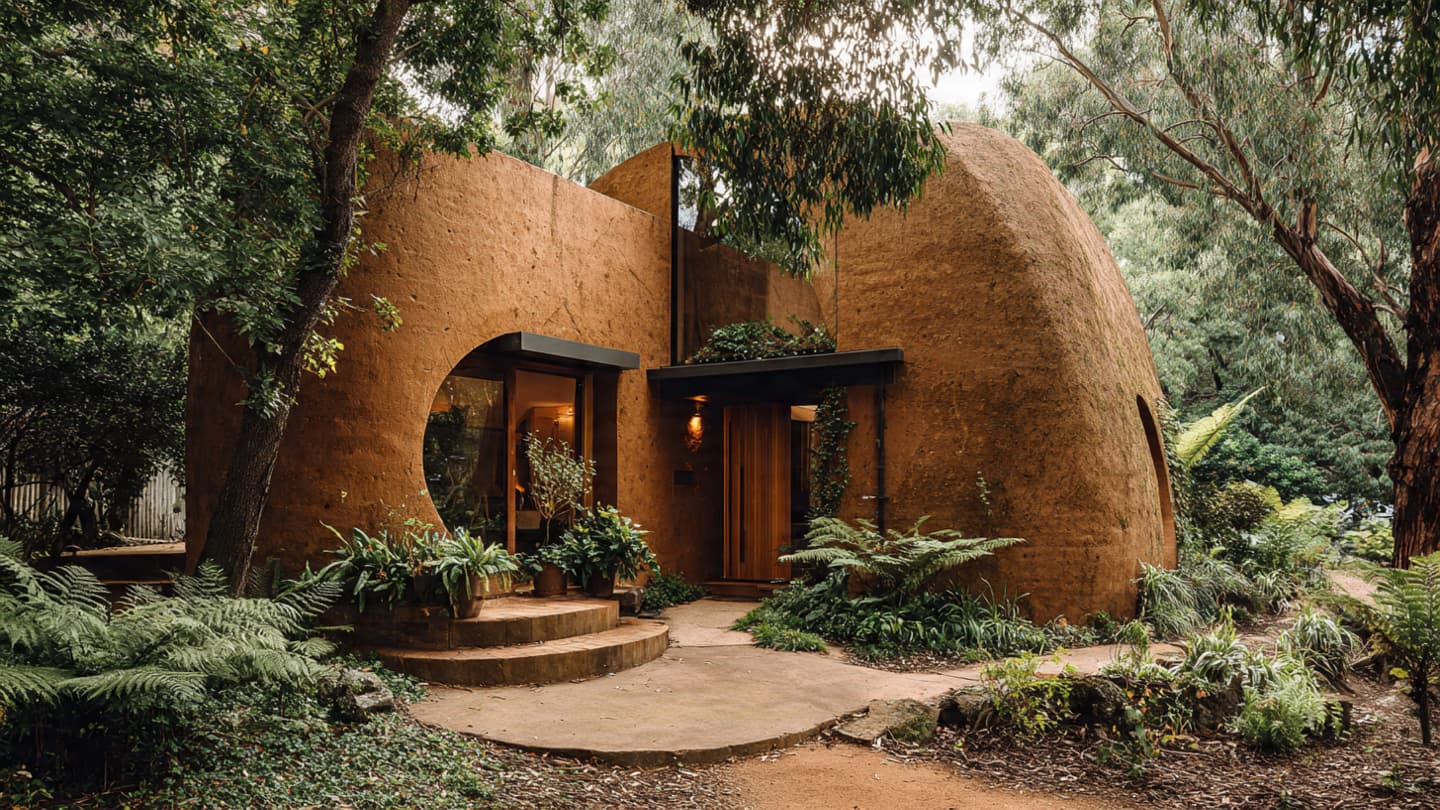
In the quiet folds of Research, where greenery softens the edges of suburban life, a rare kind of home appears almost like a memory made solid—built not from distance or abstraction, but from the very earth beneath it. This mud-brick home, now entering the market, brings renewed attention to the legacy of architect Alistair Knox, a figure renowned for his commitment to natural materials and environmental harmony in Australian architecture.
Alistair Knox is widely associated with a distinctive architectural philosophy that emphasizes the use of natural materials, environmental harmony, and handcrafted design. His work has significantly influenced a movement that views homes not as separate entities from the landscape, but as extensions of it. The mud-brick construction style, central to Knox’s influence, is celebrated for its thermal stability and organic aesthetic. These homes often carry a textured, grounded appearance that reflects the soil and materials from which they are formed, allowing them to blend seamlessly into their surroundings rather than dominate them.
The property in Research is situated in a region known for its leafy environment and semi-rural atmosphere, where architectural experimentation has historically found a receptive audience. Homes like this are often considered rare due to both their unique construction method and the challenges of preservation over time. As such, they attract a niche market of buyers who appreciate the craftsmanship and philosophy behind their design.
Real estate interest in such properties often extends beyond conventional valuation metrics. Buyers are frequently drawn not only to the physical structure but also to the philosophy embedded in its design—one that prioritizes sustainability and a tactile connection to place. This aspect of the home resonates with a growing demographic of environmentally conscious consumers who seek to invest in properties that reflect their values.
However, owning a mud-brick home comes with specific maintenance considerations, particularly regarding weather exposure and structural care. This adds a layer of responsibility for owners, who often become custodians of both the architecture and the heritage it represents. The unique characteristics of mud-brick construction require ongoing attention to ensure the longevity and integrity of the home.
In broader housing conversations, properties like this occasionally re-emerge as reference points in discussions about sustainable building practices. As interest grows in lower-impact materials and environmentally responsive design, the principles embodied by Knox's work gain renewed relevance. The home stands as both a residence and a reminder of an architectural era that sought to bring human living spaces closer to the rhythm of the land itself.
As this mud-brick home enters the market, it not only offers a unique living experience but also serves as a testament to the enduring legacy of Alistair Knox and his vision for sustainable architecture in Australia.
Published by Banx Network. This article is part of the Banx decentralized media programme, powered by the BXE token on the XRP Ledger.