There are moments when conflict does not expand with a single step, but with many—quietly, almost imperceptibly, until the boundaries begin to blur. What once seemed contained within a region starts to echo outward, carried not only by geography but by alliances, loyalties, and long-standing tensions.
In the latest developments surrounding the Iran-linked conflict, Iran-backed Houthi forces in Yemen have reportedly entered the confrontation, launching a missile attack toward Israel. The move, while anticipated by some analysts, marks a widening of the situation—one that draws another regional actor into an already complex and fragile landscape.
The Houthis, formally known as Ansar Allah, have been engaged in their own prolonged conflict in Yemen. Their alignment with Iran, often described in terms of support and shared strategic interests, has positioned them as a potential extension of broader regional dynamics. The reported missile launch toward Israel reflects how those dynamics can intersect across considerable distance.
For Israel, the incident adds another layer to its already heightened security posture. Missile defense systems, designed to respond to threats from multiple directions, are part of an infrastructure built over years of evolving risk. Each new development, however, requires adjustment—both operationally and strategically.
The significance of the Houthi involvement lies not only in the act itself, but in what it represents. A conflict that already spans several actors and territories now appears to be extending further, raising concerns about escalation and the potential for additional fronts to emerge.
International reactions have begun to surface, often framed in careful language that emphasizes restraint. Diplomatic channels remain active, even as events on the ground continue to evolve. The balance between response and de-escalation becomes increasingly delicate as more participants become involved.
From a regional perspective, the development underscores the interconnected nature of Middle Eastern conflicts. Alliances and affiliations, shaped over years, can bring distant actors into closer alignment during periods of heightened tension. What begins in one location can, over time, resonate across others.
For civilians in affected areas, the experience is shaped by immediacy. Alerts, uncertainty, and the need for rapid response become part of daily life when such incidents occur. The broader geopolitical narrative, while important, often unfolds alongside these more immediate realities.
Analysts note that the use of missile attacks by non-state actors adds another dimension to the situation. It reflects both capability and intent, signaling a willingness to engage beyond local theaters. At the same time, such actions carry risks, potentially prompting responses that further extend the conflict.
The situation remains fluid, with information continuing to emerge. Verification of details, assessment of impact, and interpretation of intent are all part of an ongoing process that unfolds in real time.
As developments continue, attention will remain focused on whether this marks a sustained shift or a singular escalation. The distinction may become clearer in the days ahead, shaped by subsequent actions and responses from those involved.
For now, the entry of the Houthis into the conflict adds another thread to an already intricate tapestry. It is a reminder that in modern geopolitics, distance does not always limit involvement, and that the boundaries of conflict can expand in ways both gradual and sudden.
In the coming hours, further updates from officials and international observers are expected. The situation continues to evolve, with each development contributing to a broader picture that remains, for the moment, unfinished.
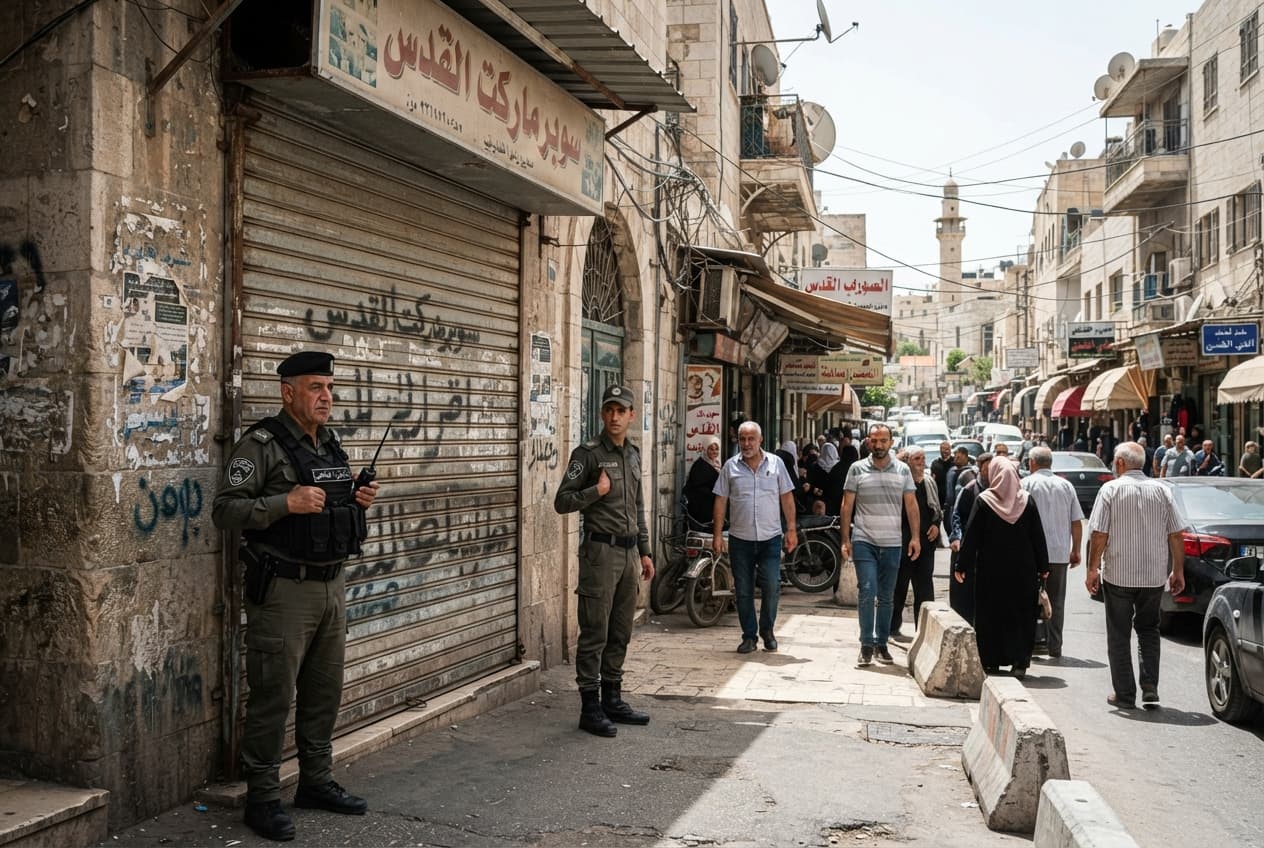
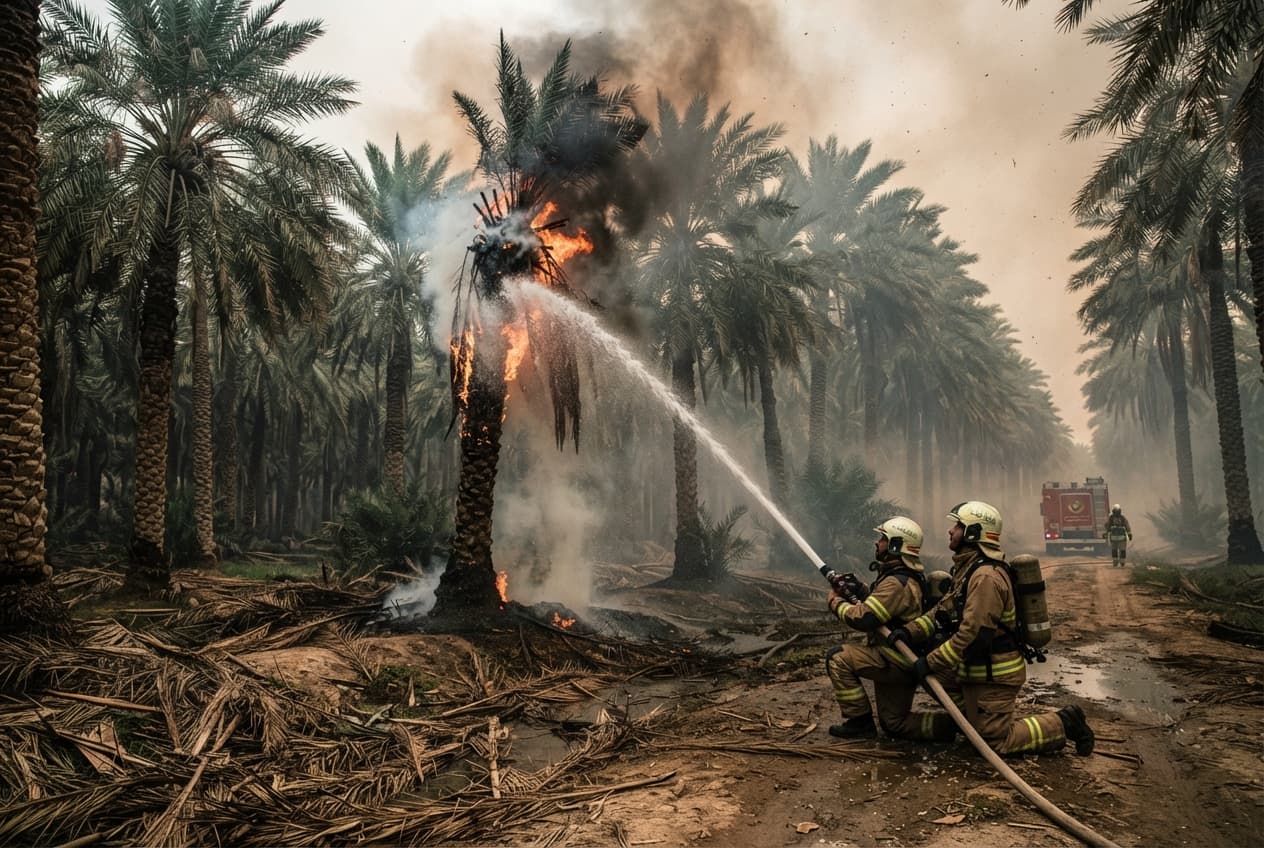
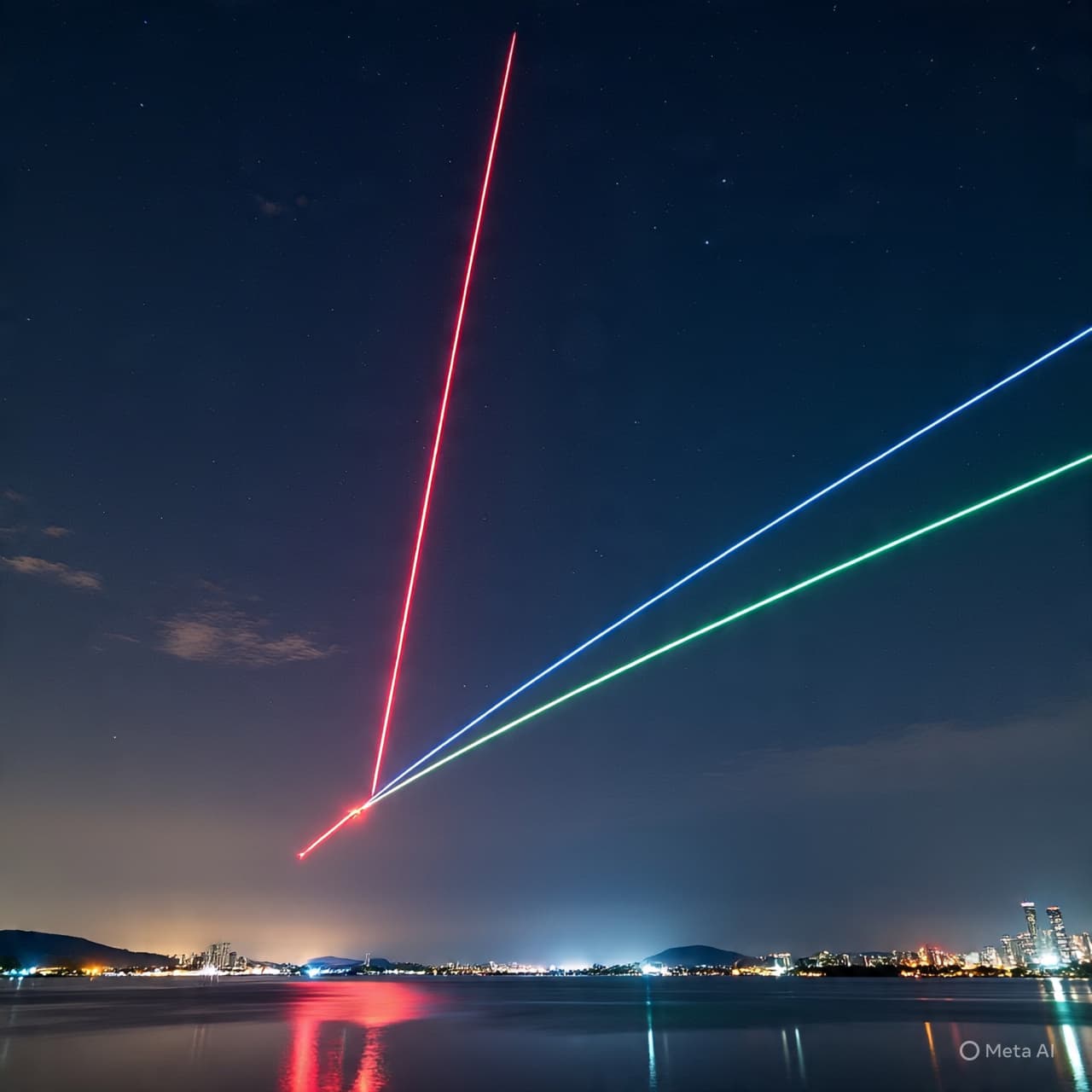
AI Image Disclaimer Images in this article are AI-generated illustrations, meant for concept only.
Source Check Credible sources covering this topic include:
Reuters BBC Al Jazeera The New York Times Associated Press
Published by Banx Network. This article is part of the Banx decentralized media programme, powered by the BXE token on the XRP Ledger.