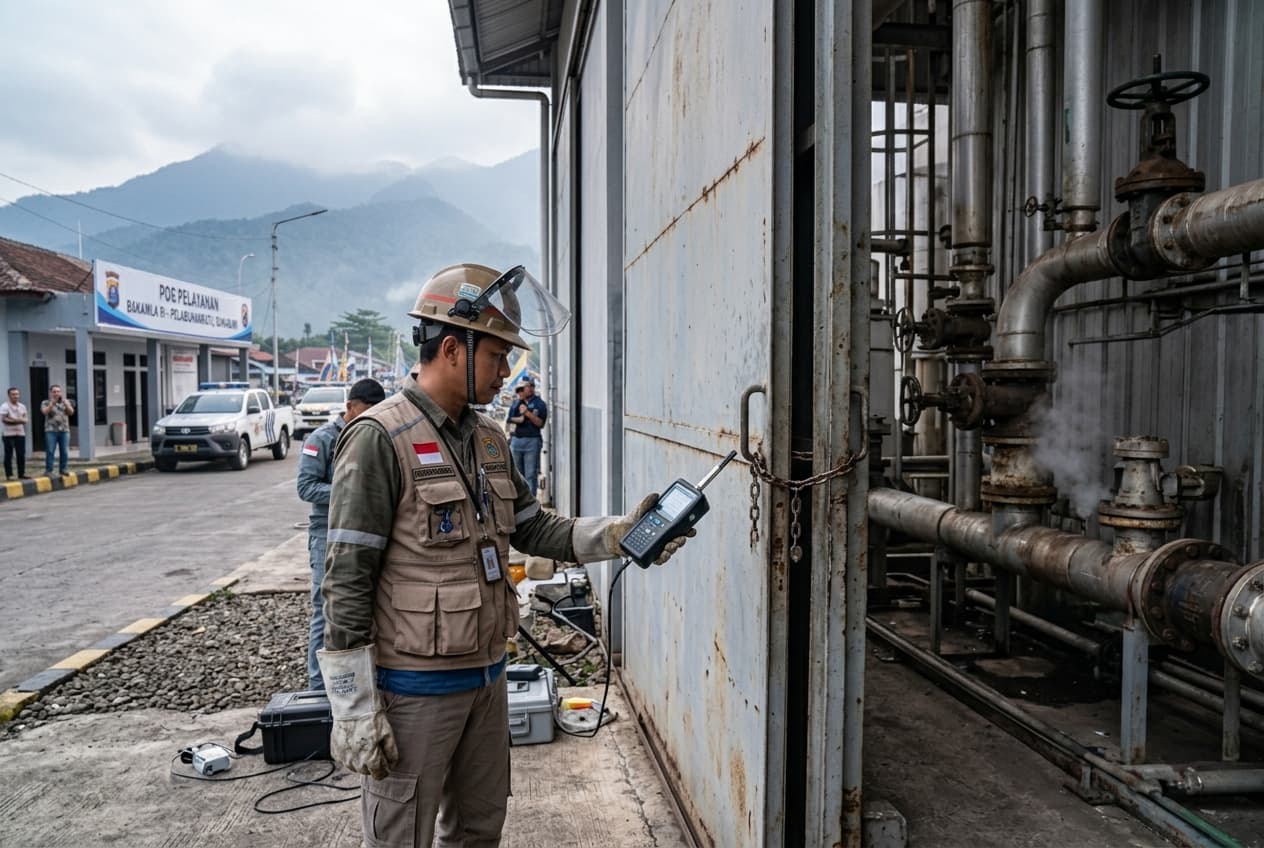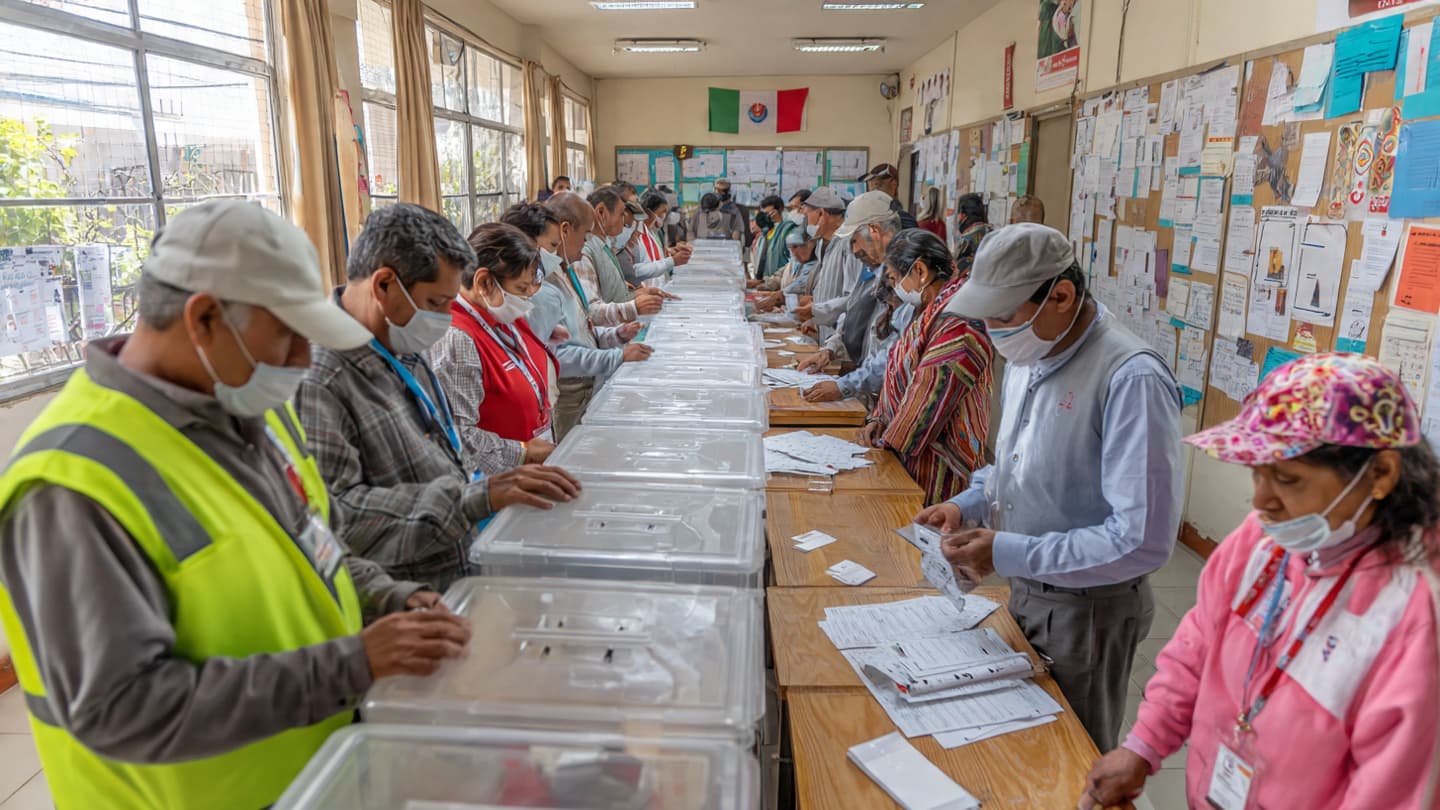
Diseases have long reminded humanity of a simple truth: borders may separate nations, but health challenges often travel beyond them. The continued monitoring of Ebola cases across multiple regions reflects this reality, highlighting the importance of vigilance in an increasingly connected world where movement and mobility define modern life.
Ebola remains one of the world's most closely watched infectious diseases due to its severe symptoms and potential impact on affected communities. While outbreaks are typically concentrated within specific regions, international health organizations maintain extensive monitoring systems designed to identify and contain cases before wider transmission occurs.
Public health experts emphasize that preparedness is among the most effective tools available. Surveillance systems, laboratory networks, emergency response teams, and coordinated communication strategies all play important roles in managing potential outbreaks. These mechanisms have improved significantly over the past decade as countries have strengthened their public health capabilities.
International cooperation remains central to these efforts. Governments, healthcare organizations, and research institutions frequently collaborate to share information, coordinate responses, and support affected regions. Such partnerships help ensure that resources and expertise can be mobilized quickly when needed.
Scientific advances have also contributed to improved preparedness. New diagnostic technologies, treatment approaches, and vaccination strategies have enhanced the ability of healthcare professionals to respond effectively during outbreaks. Continued investment in research remains a priority for many public health organizations.
The economic consequences of infectious disease outbreaks can extend well beyond healthcare systems. Travel, trade, education, and local businesses may all experience disruption during periods of heightened concern. As a result, effective disease control carries both health and economic significance.
Public communication plays an equally important role. Accurate information helps communities understand risks while reducing unnecessary fear or misinformation. Health authorities often emphasize transparency and evidence-based guidance during periods of increased attention.
Observers note that recent experiences with global health emergencies have reinforced the value of preparedness. Lessons learned from previous outbreaks continue shaping policies and response strategies designed to improve resilience and reduce vulnerability.
As health authorities continue monitoring developments, the broader message remains clear: protecting public health requires sustained attention, scientific collaboration, and international solidarity. In an interconnected world, the health of one region increasingly influences the well-being of many others.
AI Image Disclaimer Visuals are created with AI tools and are not real photographs.
Source Check ABC News Reuters World Health Organization Associated Press Centers for Disease Control and Prevention
Published by Banx Network. This article is part of the Banx decentralized media programme, powered by the BXE token on the XRP Ledger.