

Key Highlights
- Nintendo's Switch 2 introduces Game-Key Cards, sparking community debate.
- Players express concerns over the lack of physical game data on the new cards.
- Some publishers are responding by reverting to traditional cartridges.
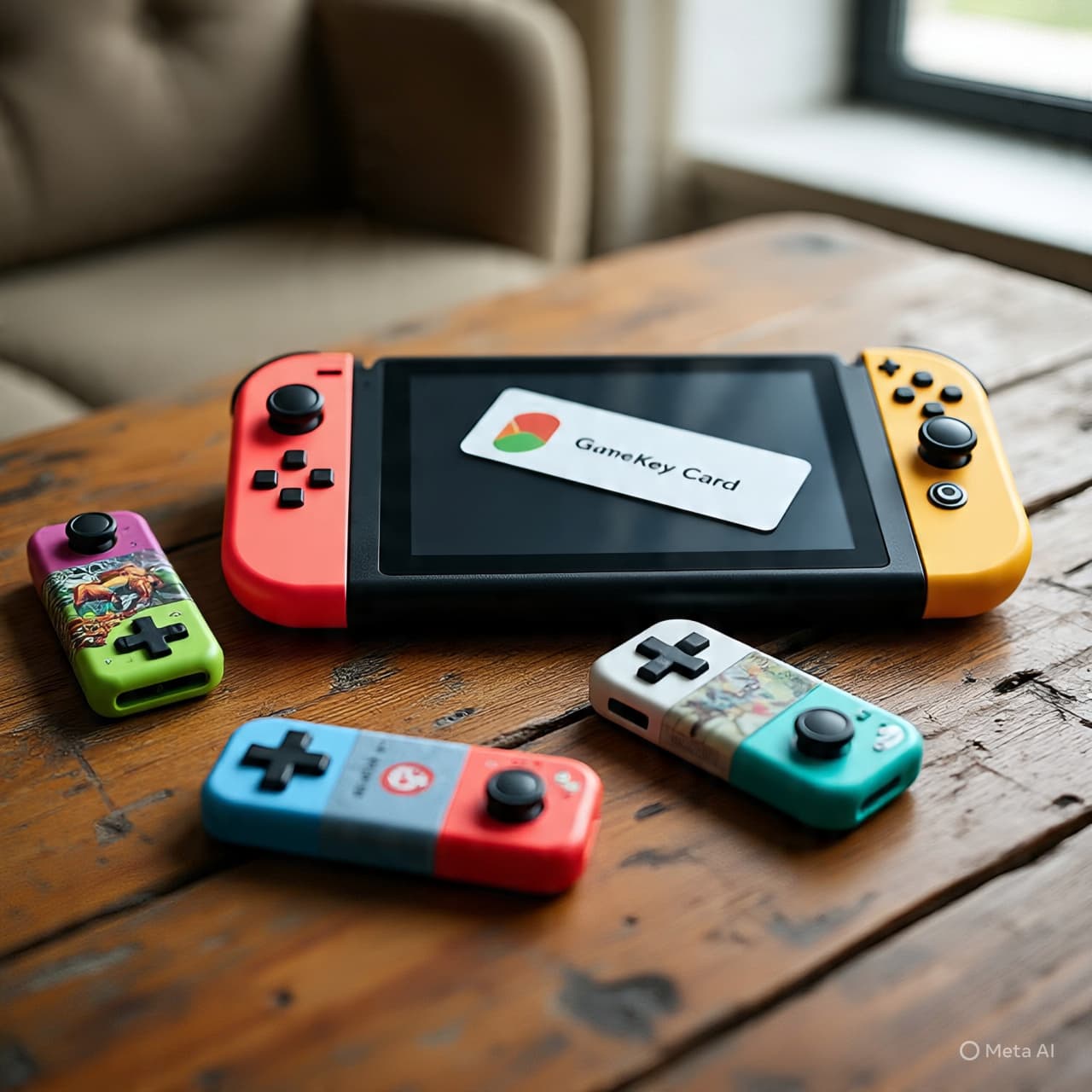
The gaming community is abuzz with discussions surrounding Nintendo's latest console, the Switch 2, particularly regarding its innovative yet controversial feature: Game-Key Cards. Unlike traditional cartridges that house game data, these new cards serve merely as keys to download games from the internet. This shift has left many long-time Nintendo fans feeling a sense of loss, as the tactile experience of holding a physical game is replaced by an intangible digital download.
The introduction of Game-Key Cards has not only sparked philosophical debates but has also prompted tangible reactions from both players and publishers. Many gamers cherish the physicality of cartridges, which have been a staple of gaming culture for decades. The smooth plastic, the artwork, and the anticipation of inserting a cartridge into a console are experiences that digital downloads cannot replicate. As a result, the community's response has been one of wistful discontent, with players voicing their concerns about the implications of this new format.
In response to the feedback, some publishers have begun to reconsider their approach. A notable example is the game R-Type Dimensions III, which initially planned to release solely as a digital download. After hearing from players, the developers opted to produce a physical cartridge that includes the full game data. This decision reflects a growing recognition of the importance of physical media among gamers, highlighting a desire for choice in how they access and own their games.
The debate surrounding Game-Key Cards is not merely about nostalgia for physical formats; it also touches on broader themes of ownership and accessibility in gaming. While many players appreciate the convenience of digital downloads, they also seek the reassurance that comes from having a physical copy of their games. This desire for ownership is particularly significant for those with limited internet connectivity, who may find themselves unable to access their purchased games without a stable online connection.
As the gaming industry continues to evolve, the conversation around Game-Key Cards serves as a reminder of the delicate balance between innovation and tradition. While technology advances at a rapid pace, the emotional connection that players have with their games remains steadfast. The ongoing dialogue within the community emphasizes the importance of listening to player feedback and adapting to their needs, ensuring that the future of gaming honors the traditions that have shaped it.
In the grand scheme of gaming discussions, the issue of Game-Key Cards may not dominate headlines, but it resonates deeply with many players. It underscores a collective yearning for a gaming experience that respects both the past and the future, inviting developers to consider the desires of their audience as they navigate the ever-changing landscape of digital and physical gaming.
Published by Banx Network. This article is part of the Banx decentralized media programme, powered by the BXE token on the XRP Ledger.




