In Cupertino, the hum of innovation has always been accompanied by the quiet rhythm of assembly lines and chip fabs, but lately that rhythm has faltered. Apple, the titan of sleek devices and global desire, finds itself navigating a landscape of scarcity: a surge in iPhone demand colliding with a shortage of essential chips, while memory prices creep higher, adding pressure to both production and profit.
The story is one of modern supply chains, intricate and fragile. Semiconductor factories thousands of miles away strain under unprecedented demand. Engineers and procurement teams race against time, negotiating allocations, adjusting schedules, and balancing the insatiable appetite of consumers with the limitations of global production. Every delay ripples outward—from retail stores to app developers to the hands of everyday users.
For Apple, the stakes are not merely financial. Reputation, market momentum, and the carefully cultivated image of reliability hang in the balance. Yet beneath the spreadsheets and shipping manifests, there is a human story: workers in factories, buyers awaiting devices, and families planning the latest tech gift, all caught in the subtle tension between desire and availability.
As the company maneuvers through the bottleneck, the situation illuminates a truth about the modern world: even the most powerful brands are tethered to the delicate architecture of global manufacturing, where a shortage of a few silicon chips can reverberate across continents, reminding us that in technology, as in life, supply shapes experience as much as ambition does.
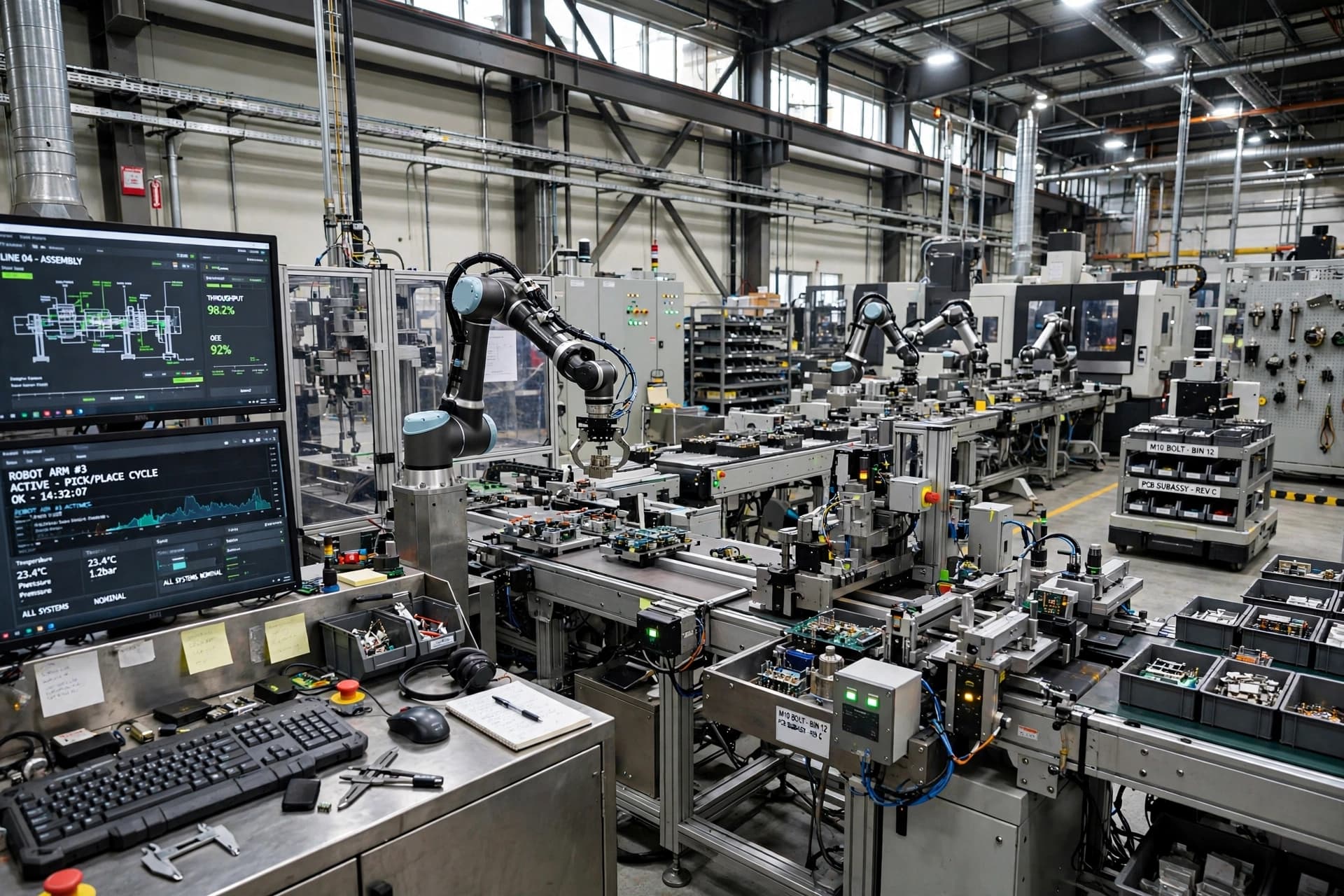
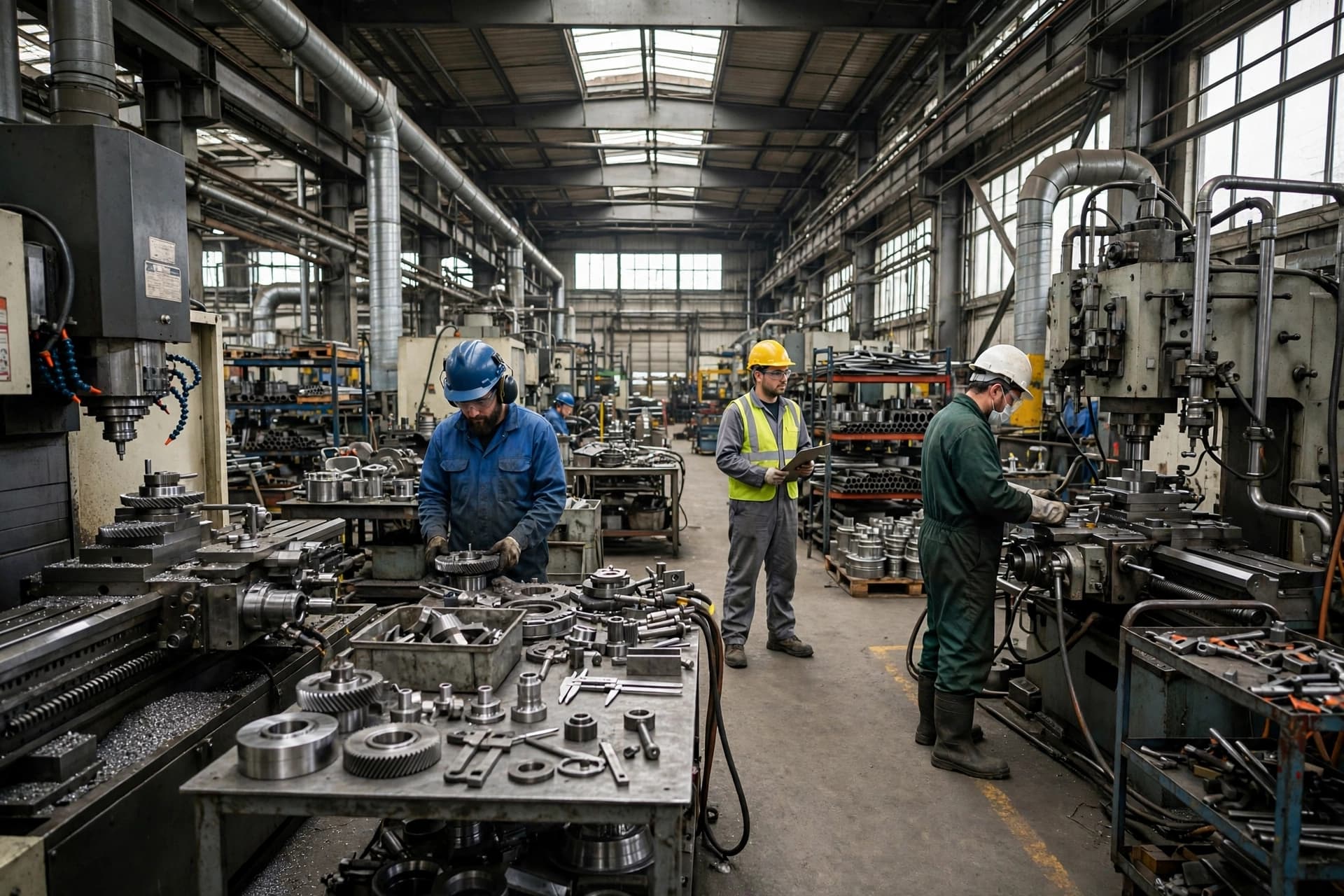
AI Image Disclaimer:
“Visuals are AI-generated and serve as conceptual representations.”
Sources (up to 5):
Reuters, Bloomberg, Wall Street Journal, CNBC, Nikkei Asia
Published by Banx Network. This article is part of the Banx decentralized media programme, powered by the BXE token on the XRP Ledger.