The digital economy can sometimes appear weightless, floating somewhere between screens, clouds, and distant servers. Yet every digital service eventually returns to the physical world, where electricity must flow, cooling systems must operate, and buildings must stand. In Thailand, the rapid arrival of data centers is bringing that reality increasingly into view.
As artificial intelligence drives demand for computing capacity, Thailand is changing how it evaluates new data-center projects. Rather than focusing primarily on the number and value of investments, authorities are placing greater attention on energy and water readiness, environmental considerations, and the benefits projects can bring to the domestic economy.
The shift comes after a substantial increase in digital investment. Thailand's Board of Investment reported $43.6 billion in investment applications during the first half of 2026, with the digital sector accounting for roughly $33 billion. Much of that activity has been connected to data centers and artificial-intelligence infrastructure.
Such facilities require substantial physical resources. Servers generate heat and therefore need continuous cooling, while large computing operations require dependable electricity around the clock. Water can also become an important consideration depending on the cooling technology used.
Thailand is consequently attempting to place infrastructure growth within a wider resource framework. New projects are being evaluated according to whether the surrounding electricity and water systems can accommodate them, while environmental considerations are receiving greater weight in the approval process.
The country is also considering financial and regulatory measures connected to electricity use. Proposed mechanisms include requirements related to electricity allocation, possible electricity tariffs specifically for data centers, and strengthened licensing procedures. These measures reflect the increasing scale of infrastructure being developed for cloud computing and AI.
Geography is another part of the equation. Thailand has been considering ways to encourage data-center development beyond heavily concentrated areas, supported by planning tools such as a proposed Power and Water Map. The intention is to connect investment decisions more closely with the availability of essential resources.
For technology companies, these requirements add another dimension to decisions about where to build. A location may offer strong connectivity and access to a growing digital market, but large-scale computing also requires sufficient power, water, land, and supporting infrastructure.
For Thailand, the challenge is therefore not simply whether it can attract more data centers. It is whether the country can build an ecosystem in which those facilities contribute to domestic skills, technology supply chains, and economic activity while remaining compatible with available resources.
The emerging approach marks a quieter stage in Thailand's AI expansion. Investment remains strong, but the conversation is becoming more physical and practical: where the electricity comes from, how cooling is managed, where facilities are located, and what value remains in the economy around them. As artificial intelligence continues to increase demand for computing capacity, Thailand is placing those questions closer to the center of its digital infrastructure strategy.
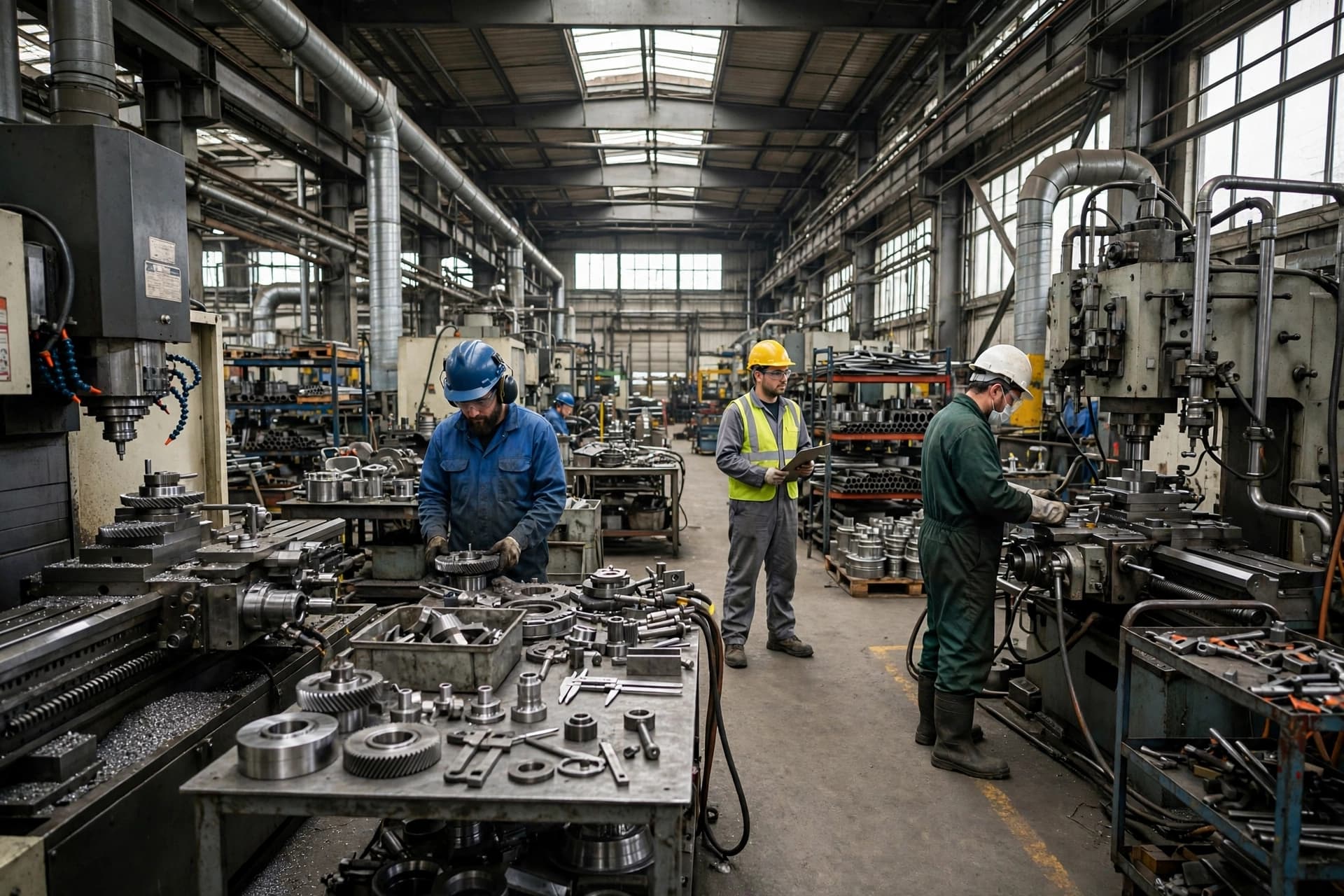
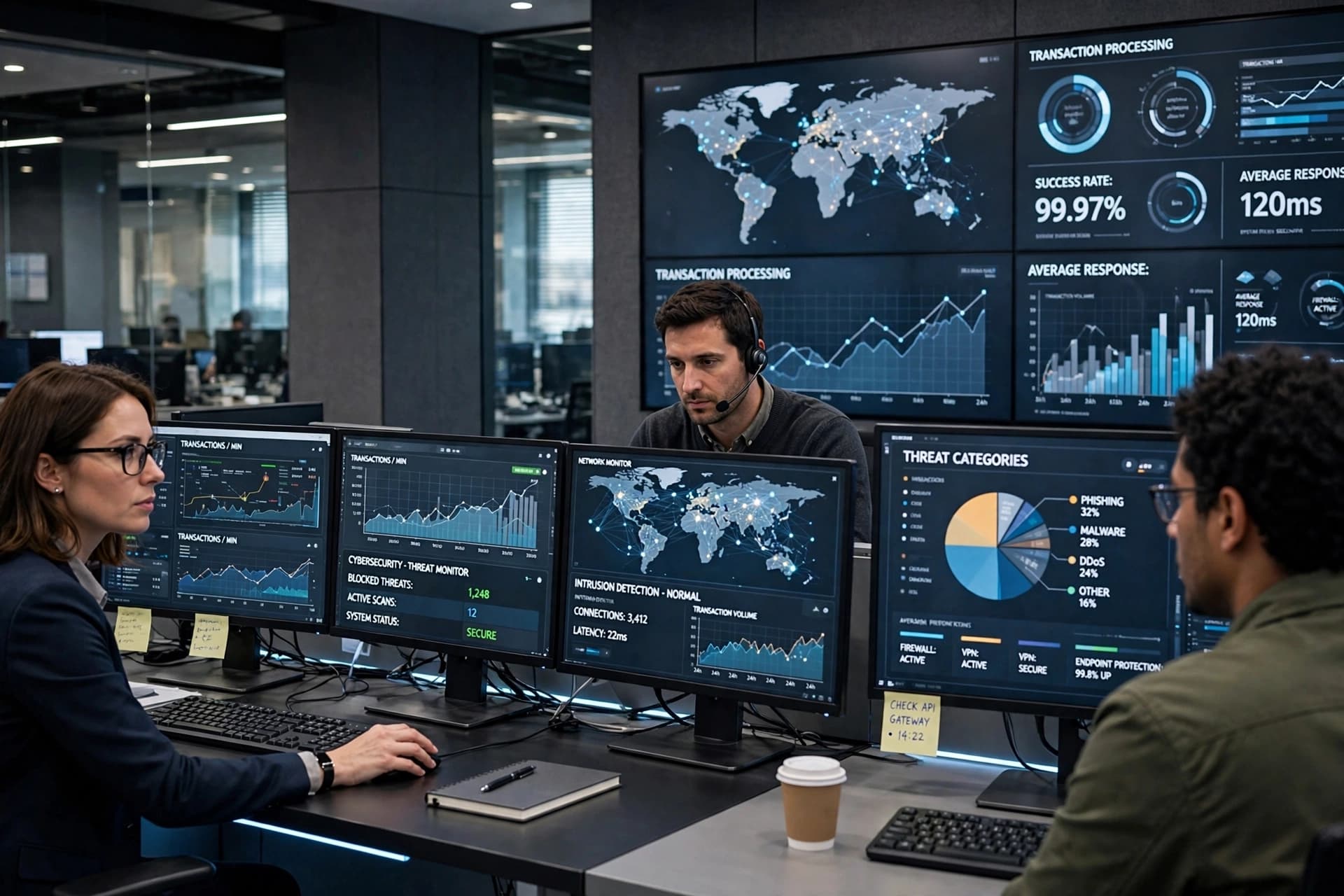
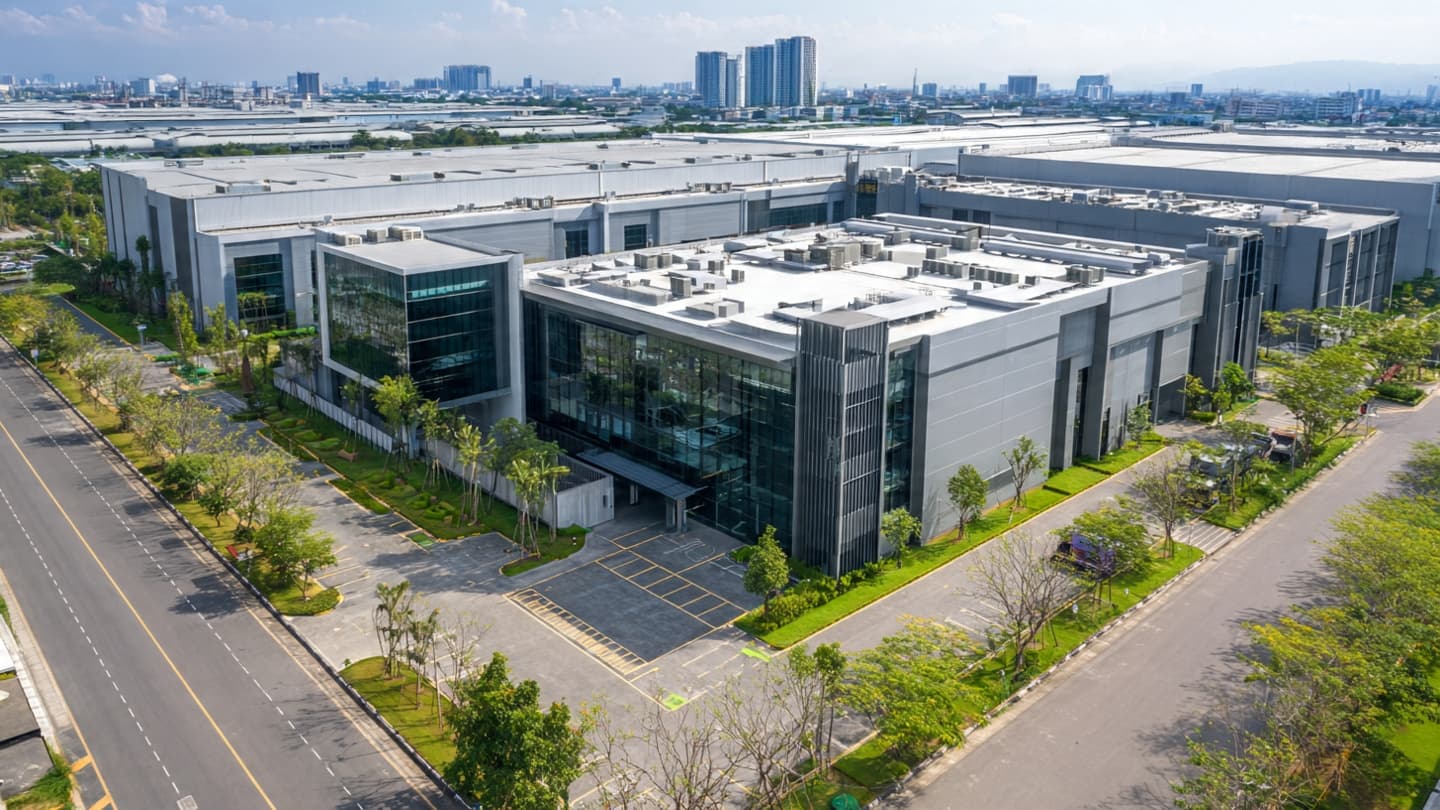
AI Image Disclaimer These illustrations were generated with AI and are conceptual representations of data-center infrastructure rather than documentary photographs.
Sources The Nation Thailand Thailand Board of Investment Reuters
Published by Banx Network. This article is part of the Banx decentralized media programme, powered by the BXE token on the XRP Ledger.