There are mornings when a breakfast bowl glistens with color and life — plump berries nestled beside a swirl of oats, nuts scattered like confetti — and you realize that the heart, so central to our being, thrives not just on concern but on what we choose to place before it with care. Keeping the heart strong isn’t only about numbers on a test result or a prescription refill; it’s also about the gentle, daily rhythm of eating with intention and nourishment. As a registered dietitian, I’ve come to see food as more than fuel — it’s a partner in promoting cardiovascular wellness.
From decades of studying nutrition and working with clients who aspire to take care of their hearts, certain foods have stood out not just in theory but in practice — foods that I regularly enjoy and recommend because they quietly support heart health through fiber, healthy fats, antioxidants and essential nutrients. These are not fads or fleeting trends; they are time-tested choices rooted in a growing body of scientific evidence that links diet quality with reduced risk of cardiovascular disease.
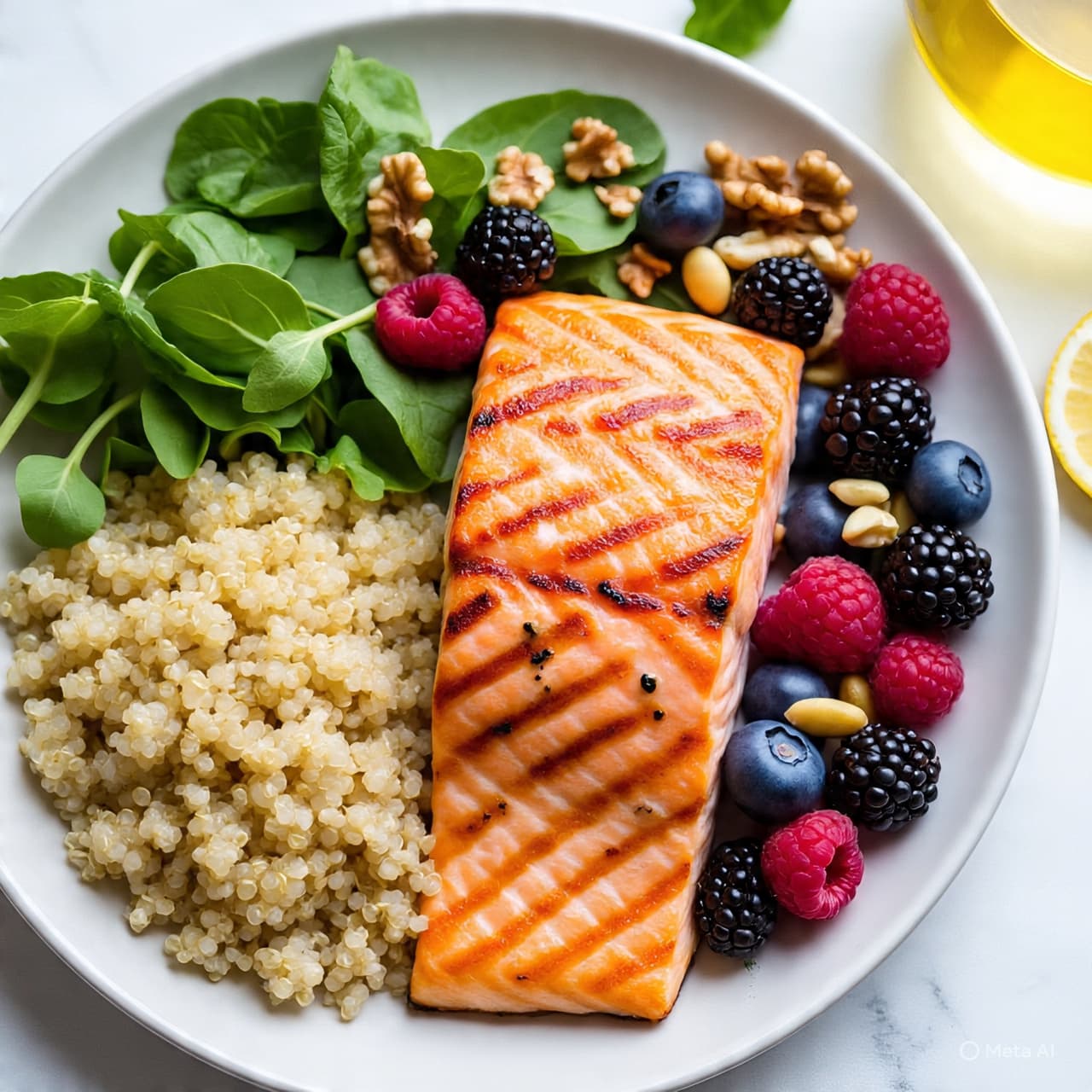
One of my go-to staples is fatty fish like salmon or sardines — rich in omega-3 fatty acids that help keep blood vessels flexible and inflammation in check. These omega-3s — especially EPA and DHA — have been shown to support blood pressure regulation and lower triglyceride levels.
Dark leafy greens such as spinach, kale and Swiss chard also make frequent appearances on my plate. They are packed with antioxidants, fiber and potassium — nutrients that help soothe inflammation and assist the body in maintaining healthy blood pressure and vascular function.
Legumes — like lentils, chickpeas and black beans — offer a double benefit: plant-based protein and high soluble fiber that supports cholesterol balance and gut health. Their quiet richness makes them a favorite addition to salads, stews and grain bowls alike.
Whole grains such as oats, barley and quinoa contribute soluble fiber that binds with cholesterol in the digestive tract, aiding its removal from the body. Starting the day with a bowl of oatmeal or adding quinoa to a vegetable salad is a simple way to nourish the heart.
I often reach for berries — blueberries, strawberries and raspberries — because they are antioxidants in vibrant form. These compounds help protect cells from oxidative stress and are linked with lower risk of cardiovascular events when part of an overall heart-healthy eating pattern.
Nuts and seeds — including walnuts, almonds, flaxseeds and chia — deliver heart-friendly fats, fiber and micronutrients that support healthy blood pressure and cholesterol levels. A small handful can make a big difference over time.
Avocado is another favorite, its creamy texture concealing a wealth of monounsaturated fats and potassium — nutrients that help maintain balanced cholesterol and support blood vessel health when used in place of saturated fats.
Tomatoes, vibrant and versatile, are rich in lycopene, a potent antioxidant linked to reduced inflammation and arterial health. Whether fresh in salads or slow-cooked into sauces, they bring both flavor and heart benefits to the table.
While not technically a food, extra-virgin olive oil is my everyday cooking companion. Its monounsaturated fats and antioxidants support cardiovascular health when used instead of saturated and trans fats, aligning with heart-healthy dietary patterns such as the Mediterranean diet.
In essence, these foods don’t just fill plates; they participate — subtly and continuously — in the long story of maintaining a strong heart. They work best not as isolated “magic bullets” but as part of a balanced, colorful, nutrient-rich diet that pairs with regular physical activity and mindful lifestyle choices.
In straightforward reporting, health authorities such as the American Heart Association and Harvard Health emphasize that a heart-healthy eating pattern includes fruits and vegetables, whole grains, healthy proteins (including fish and legumes), unsaturated fats and limited processed foods. Diets rich in these foods are associated with lower risk of cardiovascular disease and improved management of blood pressure and cholesterol.
AI Image Disclaimer Visuals are created with AI tools and are not real photographs.
Sources Mayo Clinic Diet — heart-healthy foods and dietary steps. Health Harvard — what to eat for heart health. EatingWell (dietitian guidance on whole grains).
Published by Banx Network. This article is part of the Banx decentralized media programme, powered by the BXE token on the XRP Ledger.