In quiet hospital corridors, where time can feel both suspended and urgent, medicine has always moved between certainty and hope. A biopsy result, a scan illuminated in grayscale, a conversation spoken gently across a desk—each moment carries weight. In recent years, another presence has entered these rooms, less visible but increasingly influential: artificial intelligence. It does not wear a white coat, yet it sifts through patterns too vast for the human eye, offering a new lens through which cancer care may be understood.
The growing effort to bridge artificial intelligence with precision oncology reflects a shift not only in technology, but in philosophy. As has reported, AI systems are being trained to analyze genomic data, pathology slides, and imaging results to help clinicians tailor treatments to the individual biology of each patient. Precision oncology, long centered on identifying genetic mutations driving tumors, now finds an ally in algorithms capable of recognizing subtle molecular signatures across massive datasets.
According to , researchers are developing machine learning models that can predict how certain cancers may respond to targeted therapies or immunotherapies. Instead of relying solely on broad treatment protocols, clinicians may one day refine decisions using AI-driven insights that anticipate resistance patterns or identify overlooked therapeutic options. The promise is not replacement of expertise, but reinforcement—technology working alongside physicians to narrow uncertainty.
Coverage from has highlighted how AI tools are already assisting in detecting cancers earlier, particularly in imaging-intensive fields such as breast and lung oncology. By scanning thousands of images and learning from previous diagnoses, algorithms can flag abnormalities that might otherwise escape immediate notice. Early detection remains one of the most powerful determinants of survival, and enhanced pattern recognition may strengthen that effort.
Meanwhile, has explored the ethical dimensions accompanying this transformation. Questions about data privacy, algorithmic bias, and equitable access persist. Precision oncology depends on diverse and representative datasets; without them, AI risks reinforcing disparities in care. Policymakers and researchers continue to examine safeguards that ensure innovation does not outpace responsibility.
has reported that partnerships between academic cancer centers and technology firms are accelerating development. Clinical trials increasingly incorporate AI tools to stratify patients, analyze outcomes, and refine treatment pathways. The integration remains gradual, with regulatory oversight and validation processes shaping how quickly such systems move from research to routine practice.
Cancer care has always been a balance between science and humanity. The microscope once transformed oncology; genomic sequencing reshaped it again. Artificial intelligence may represent the next chapter—not a sudden revolution, but a careful layering of insight upon insight. Precision oncology seeks to understand each tumor as unique. AI seeks to see patterns across millions. Together, they may help close the distance between population-level research and individual healing.
For now, experts emphasize that AI in oncology remains an evolving tool, subject to continued study and evaluation. Regulatory agencies and medical institutions are working to validate applications before widespread clinical adoption. The bridge between artificial intelligence and precision cancer care is still under construction—but its framework is steadily taking shape.
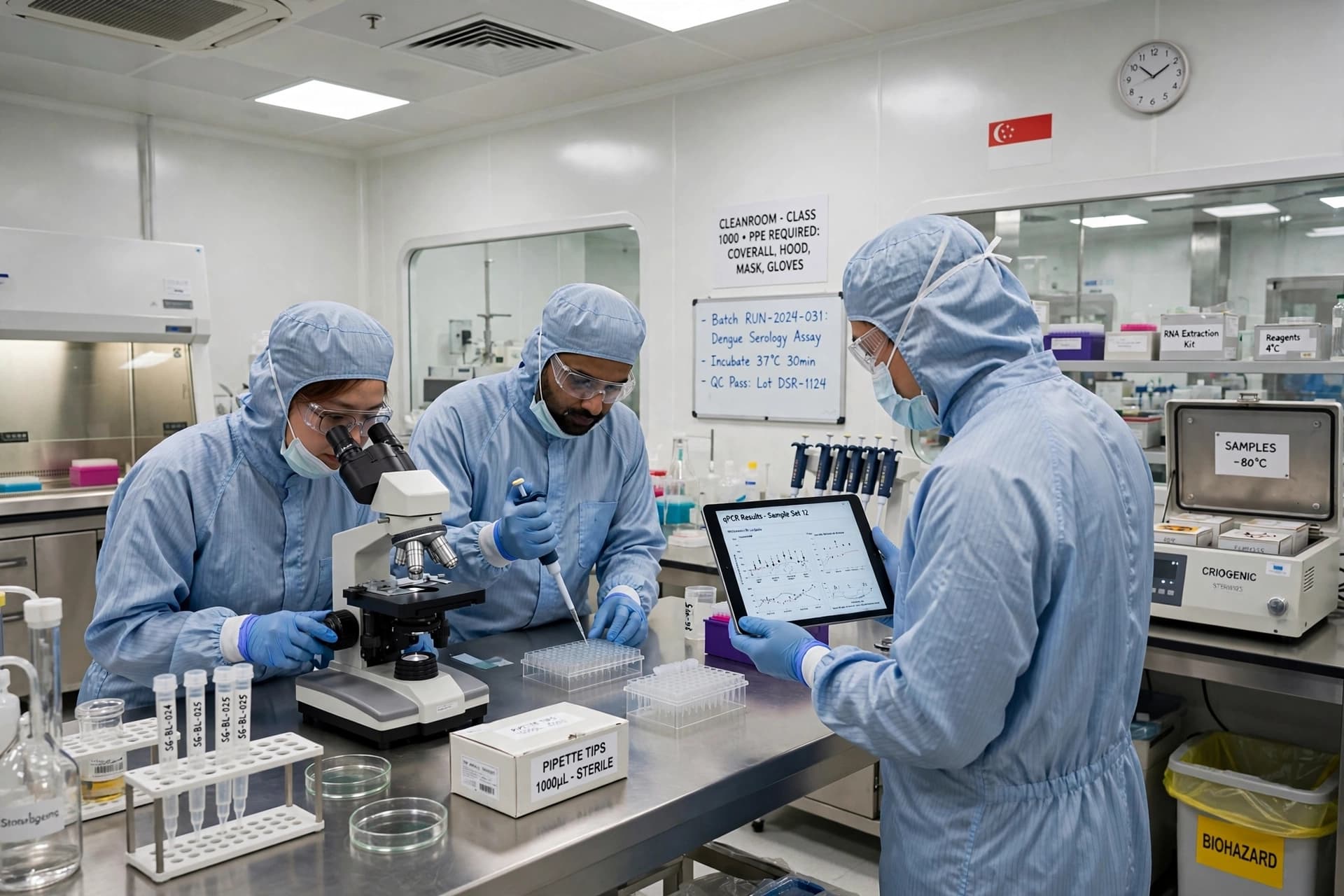
AI Image Disclaimer: Visuals are created with AI tools and are not real photographs
Source Check:
Reuters
Associated Press
The New York Times
The Washington Post
CNN
Published by Banx Network. This article is part of the Banx decentralized media programme, powered by the BXE token on the XRP Ledger.