As Europe tightens its climate policies, a new line of tension is emerging between environmental ambition and global trade. India has voiced firm opposition to the European Union’s carbon border tax, arguing that the measure places an unfair burden on developing economies and risks reshaping trade in ways that deepen global inequality.
Speaking on the issue, Indian lawmaker Jairam Ramesh described the policy as unacceptable, warning that it effectively transfers the cost of Europe’s climate transition onto exporting nations. The mechanism, designed to impose levies on carbon-intensive imports, aims to prevent companies from relocating production to regions with looser environmental standards. Yet for countries like India, it is seen less as climate action and more as a trade barrier.
At the heart of the disagreement lies a broader debate over responsibility. European policymakers argue that climate change demands shared accountability and that carbon pricing ensures fairness between domestic producers and foreign suppliers. India, however, maintains that such measures overlook historical emissions and differing stages of economic development. For emerging economies, the added costs threaten competitiveness and industrial growth.
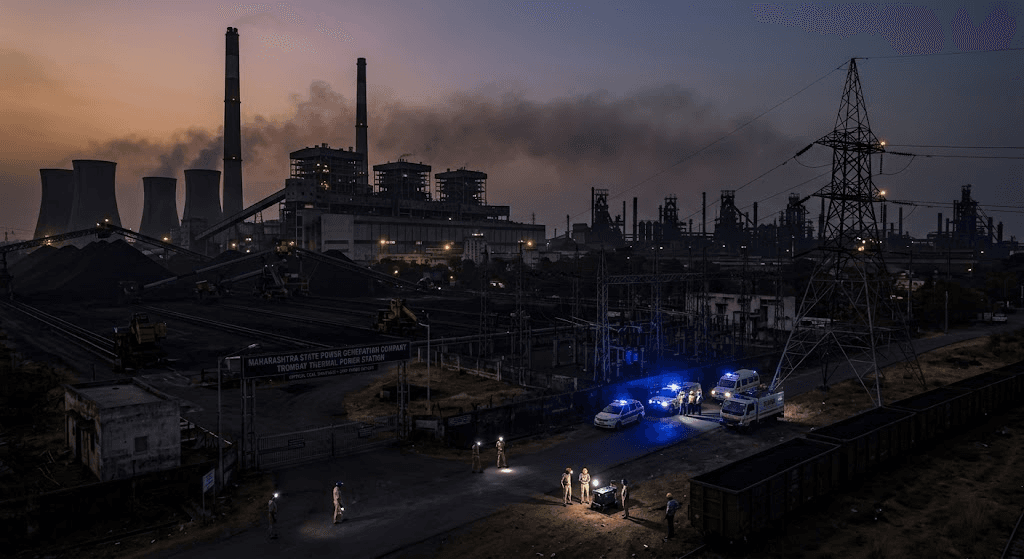
The concern extends beyond principle. Indian exporters in sectors such as steel, cement, and aluminum warn that higher costs could erode margins and weaken access to European markets. For a country positioning itself as a global manufacturing hub, the implications are both economic and strategic.
Ramesh’s remarks reflect a growing unease among developing nations, many of which see the policy as a form of environmental protectionism. They argue that climate responsibility should be balanced with development needs and supported by technology transfer rather than trade penalties.
As the European Union moves ahead with implementation, the dispute highlights a central challenge of global climate governance: aligning environmental ambition with economic equity. The coming years will test whether cooperative solutions can bridge the divide between those who have historically emitted the most and those still striving to grow.
Published by Banx Network. This article is part of the Banx decentralized media programme, powered by the BXE token on the XRP Ledger.