On a crisp winter morning in San Francisco, corridors that usually echo with footsteps and laughter have fallen quiet. Archbishop Riordan High School, a private Catholic institution long known for its academic rigor and spirited athletic competitions, has paused the rhythm of everyday campus life — not because of snow or scheduled breaks, but in response to something unseen, carried through the air.
Late last week, school officials, in coordination with the San Francisco Department of Public Health, confirmed that at least three individuals connected to the school have active cases of tuberculosis (TB), an infectious disease that spreads when someone with active TB coughs, sneezes, speaks or simply breathes near others. Active TB, unlike its latent counterpart, can be contagious and requires careful public health action to prevent further spread.
In a letter shared with families, school president Tim Reardon explained that in-person classes for the coming week will be canceled, allowing educators time to prepare for modified instruction while students and staff complete TB testing. Beginning February 9, Riordan plans to transition to a hybrid model — offering live classroom instruction for those who have completed testing, and asynchronous remote assignments for others — with mandatory test documentation required to return to campus after February 20.
The decision rippled outward, affecting not only the academic schedule but also extracurricular life. Several high-profile basketball games were postponed or canceled as teams and families grappled with an outbreak that has been labeled, by the National Institutes of Health standard, as a cluster of active cases.
Public health officials emphasized that while tuberculosis is treatable, its mode of transmission in enclosed spaces — where people spend extended time close together — warrants caution. In response, the school has ramped up targeted measures: mandatory testing, contact tracing, symptom monitoring, indoor masking recommendations, and adjustments to indoor activities until the situation stabilizes.
This outbreak, which traces back to an initial case identified in November, follows a broader trend in San Francisco’s public health landscape. The city reported 91 active TB cases in 2024, a figure that grew significantly compared with previous years, though many occurred among older residents. Health officials stress that the risk to the broader public remains moderate and localized, centered on extended close contact situations like classroom settings.
For students and parents, the announcement has been met with a mix of concern and resolve. Some community members have expressed a wish that hybrid or remote learning might have started earlier, while others have acknowledged the careful balancing act between educational continuity and health protection. In a time when respiratory illnesses remain at the forefront of public consciousness, TB — an age-old disease — has again reminded communities that vigilance and public health partnerships are essential.
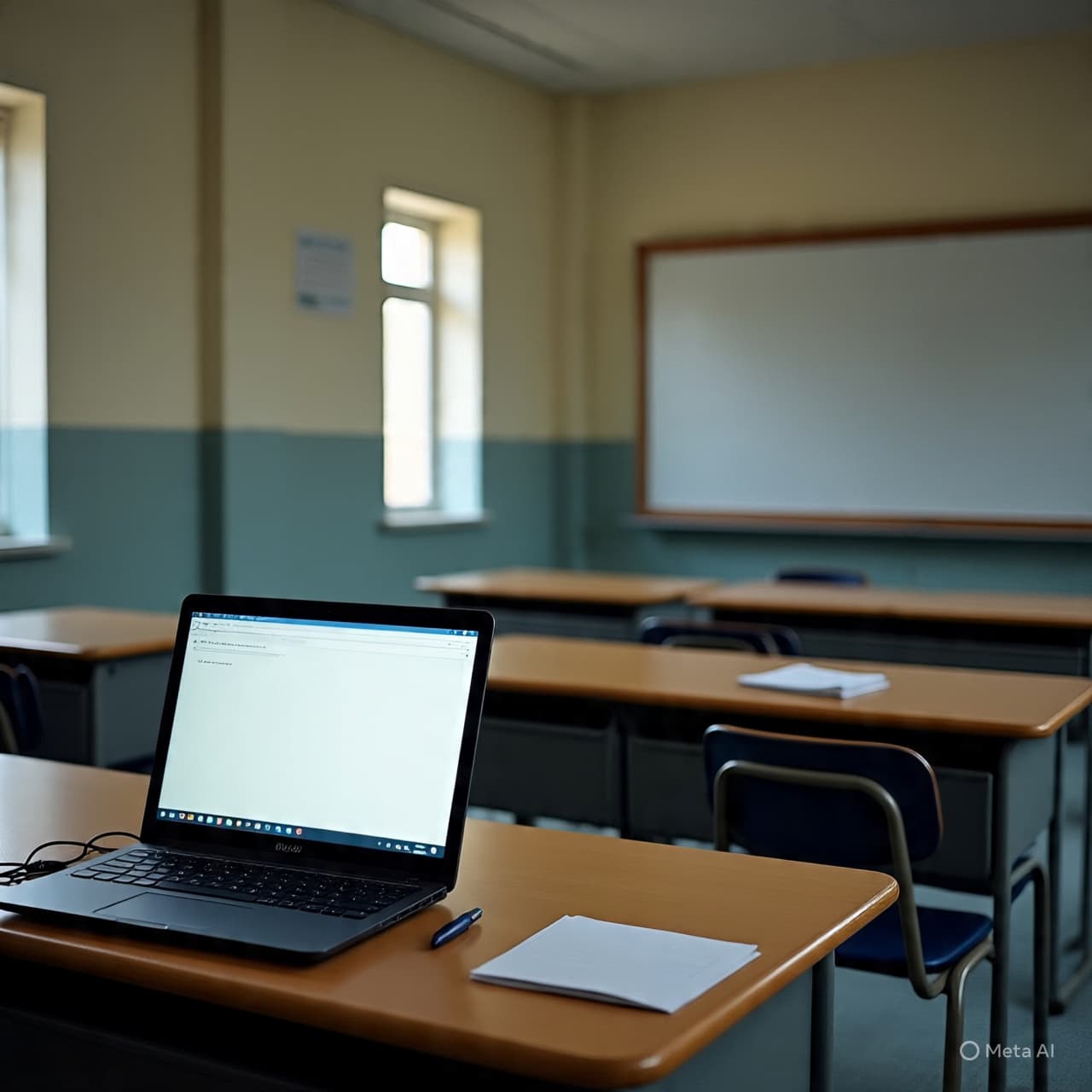
In the weeks ahead, health authorities and school leaders will continue monitoring the situation, guided by test results, risk assessments, and the shared goal of returning students safely to the classrooms and activities that form the heart of school life. Until then, hallways remain still, screens glow with remote assignments, and the community waits with cautious attention to both the science and the stories unfolding around it.
AI Image Disclaimer Visuals are created with AI tools and are not real photographs.
Sources San Francisco Chronicle KTVU Fox 2 SFGate Yahoo News Mission Local
Published by Banx Network. This article is part of the Banx decentralized media programme, powered by the BXE token on the XRP Ledger.